Sale Price:
$149.00
Original Price:
$200.00
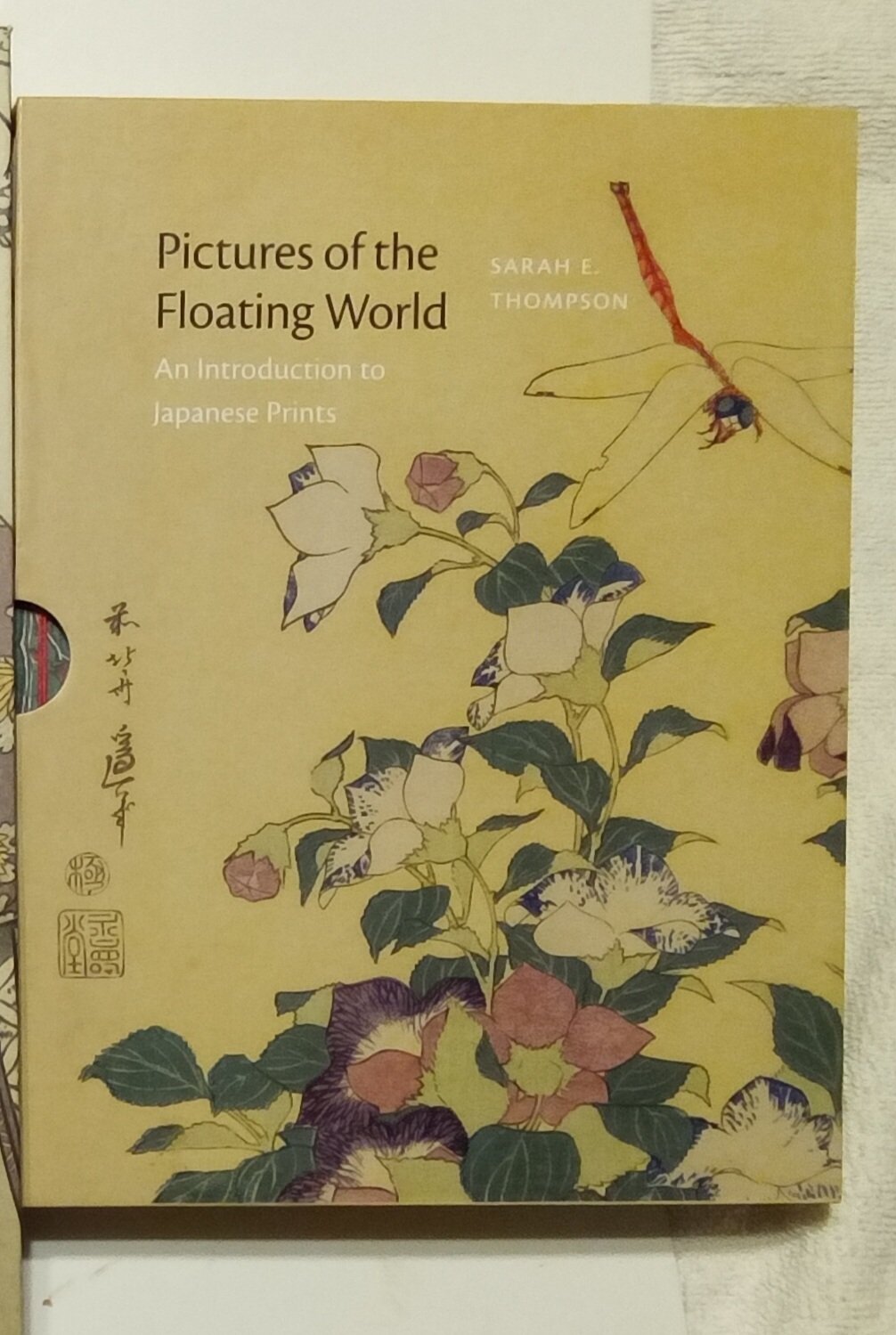
Japanese Woodblock Prints HUGE!!
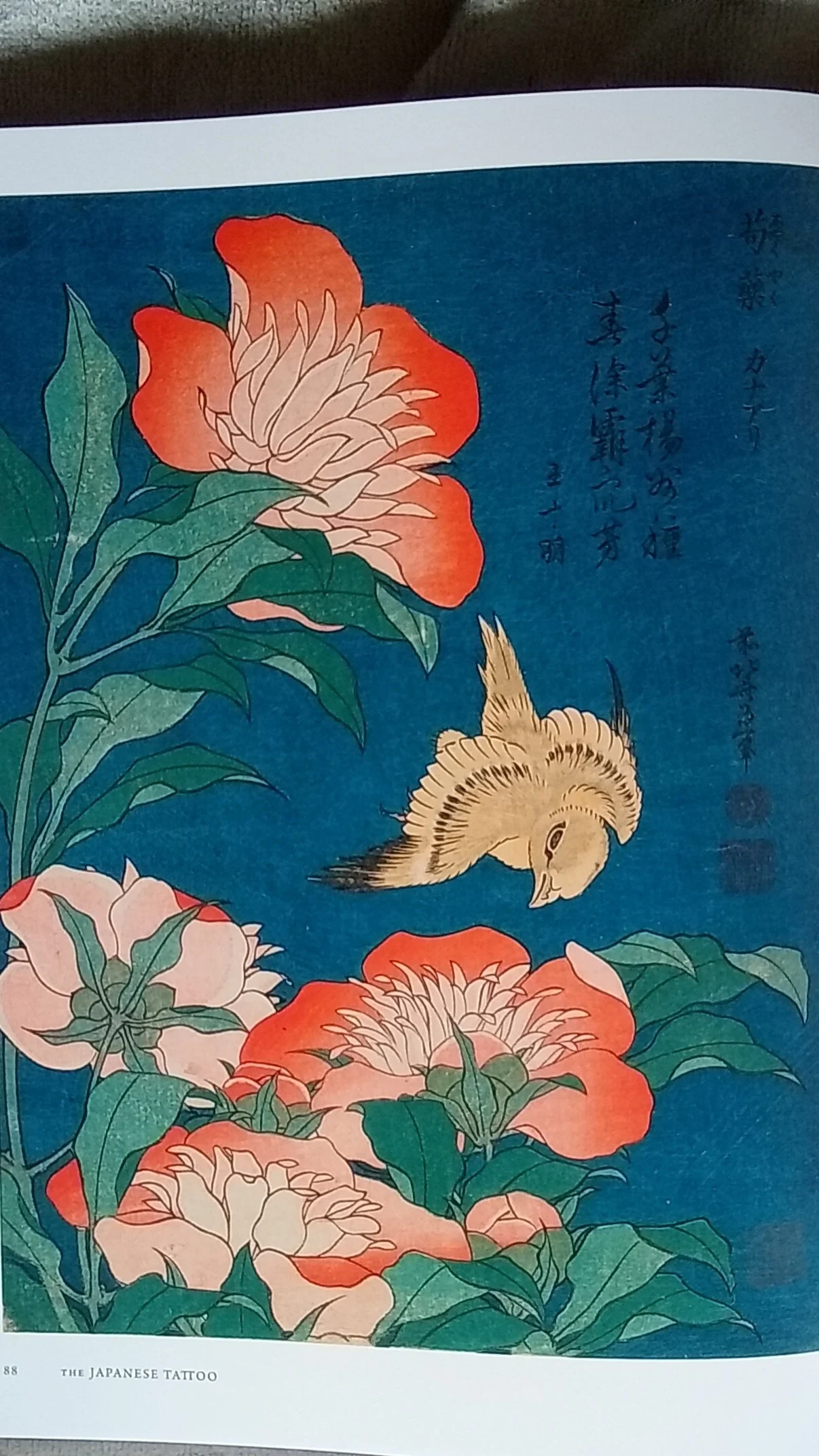
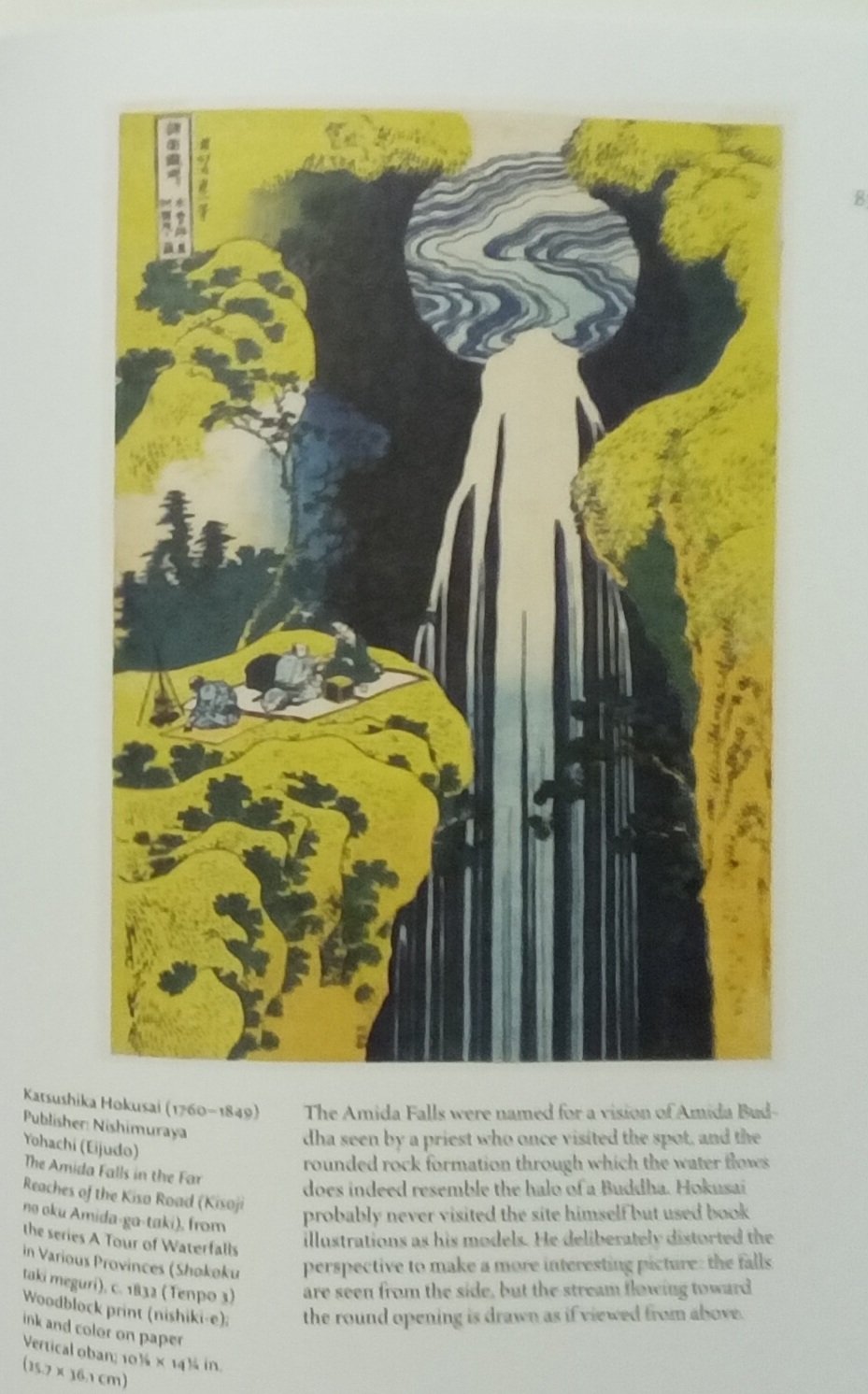
From Edouard Manet’s portrait of naturalist writer Émile Zola sitting among his Japanese art finds to Van Gogh’s meticulous copies of the Hiroshige prints he devotedly collected, 19th-century pioneers of European modernism made no secret of their love of Japanese art. In all its sensuality, freedom, and effervescence, the woodblock print is single-handedly credited with the wave of japonaiserie that first enthralled France and, later, all of Europe―but often remains misunderstood as an “exotic” artifact that helped inspire Western creativity.
The fact is that the Japanese woodblock print is a phenomenon of which there exists no Western equivalent. Some of the most disruptive ideas in modern art―including, as Karl Marx put it, that “all that is solid melts into air”―were invented in Japan in the 1700s and expressed like never before in the designs of such masters as Hokusai, Utamaro, and Hiroshige in the early 19th century.
12.7x17.6” 622PAGES! $150
7 chapters organized chronologically to trace the history of the medium from 1680 to 1938
17 fold-outs, hand-folded due to their size and specifications. Exclusive reproductions from museums and private collections. An appendix listing all artists and works…. Invented in Japan in the 1700s and expressed like never before in the designs of such masters as Hokusai, Utamaro, and Hiroshige in the early 19th century.
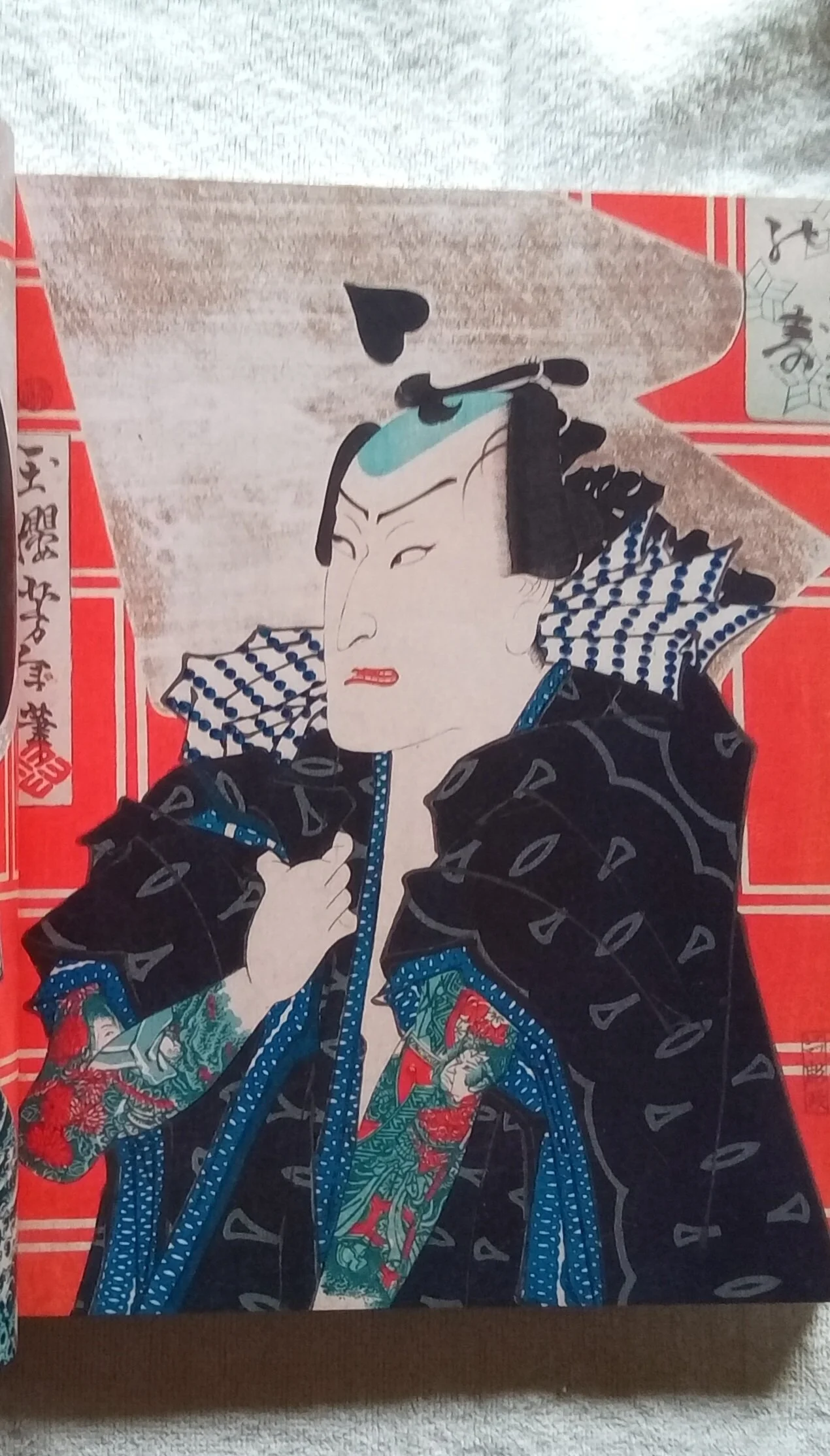
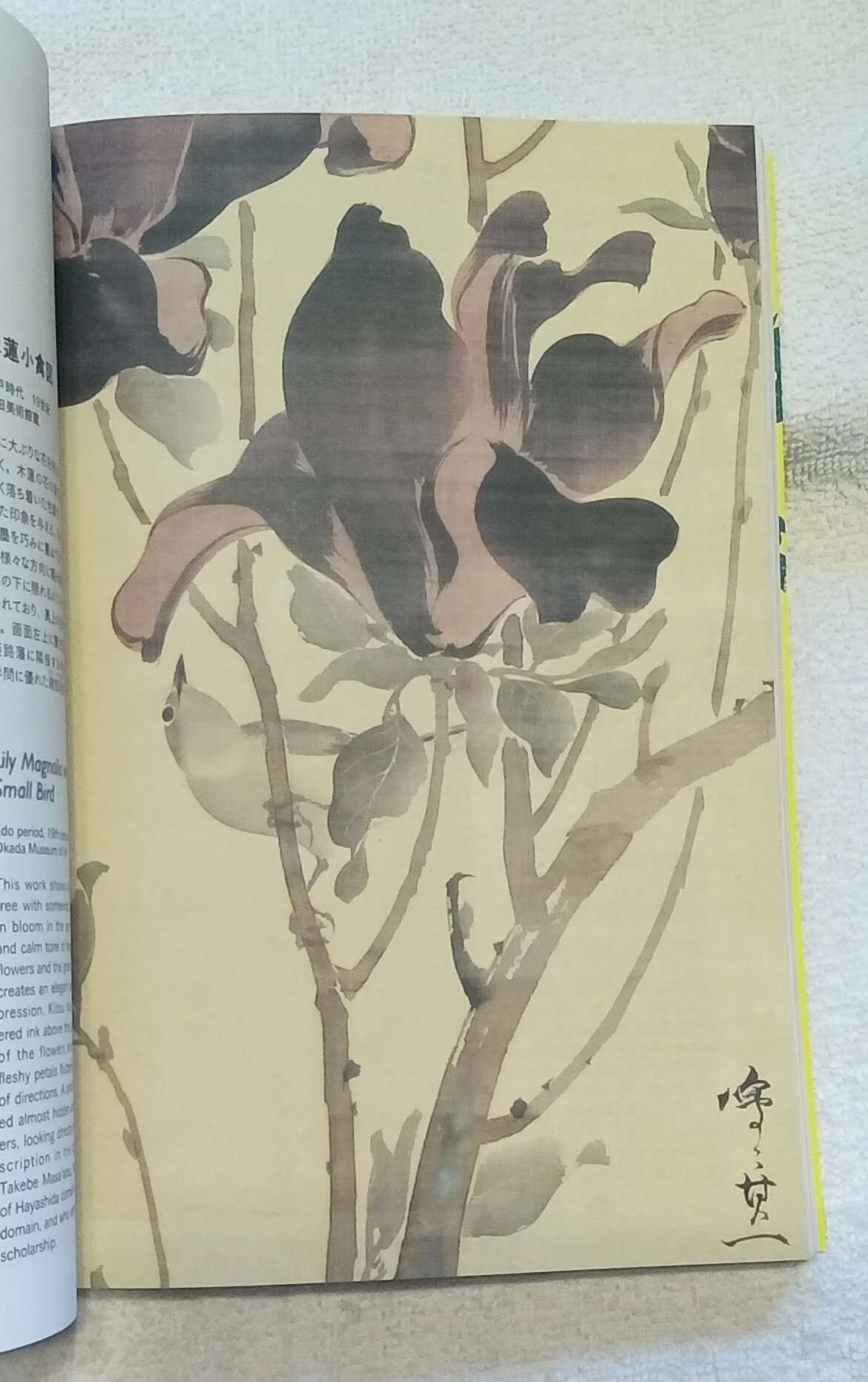
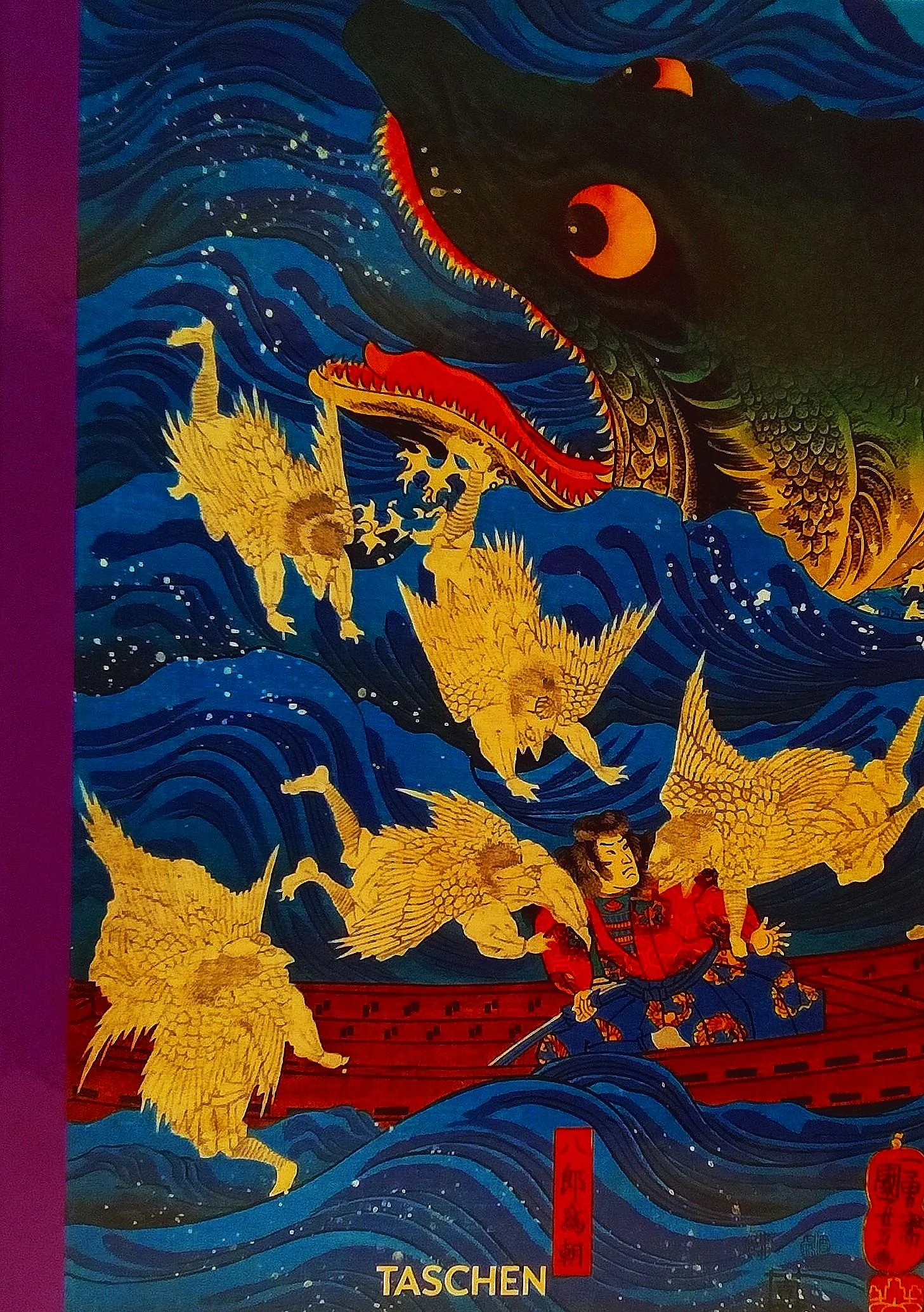
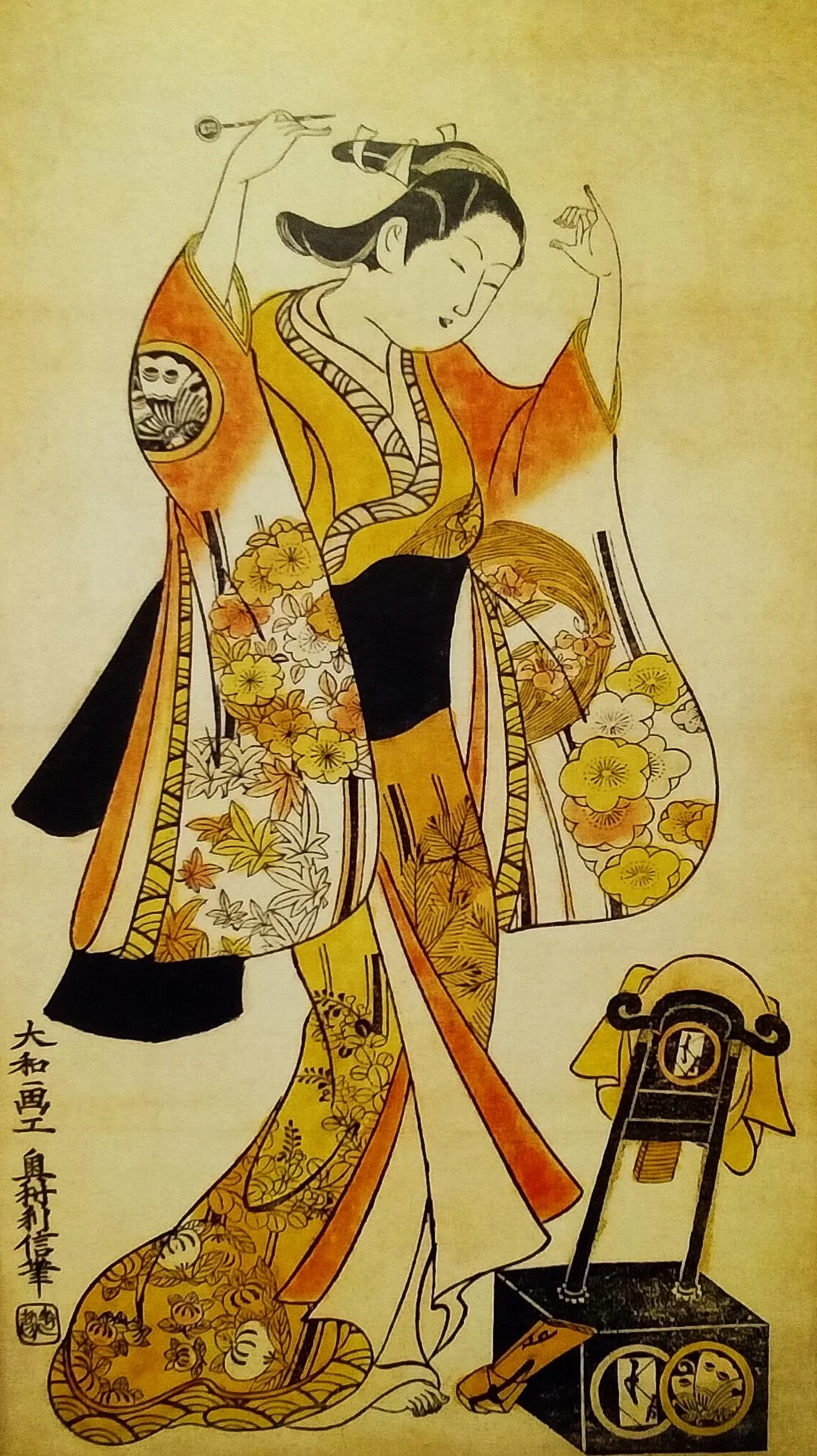
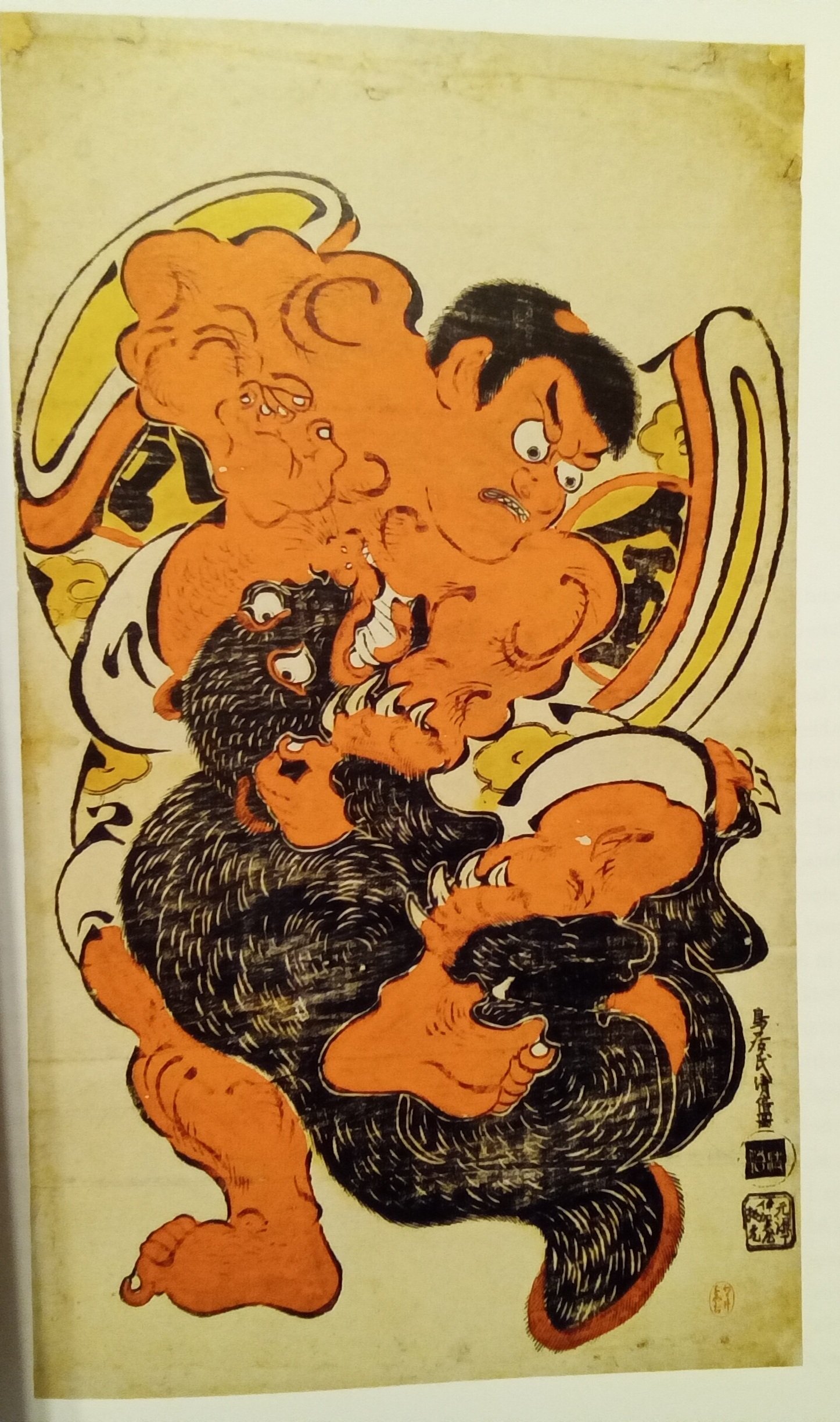
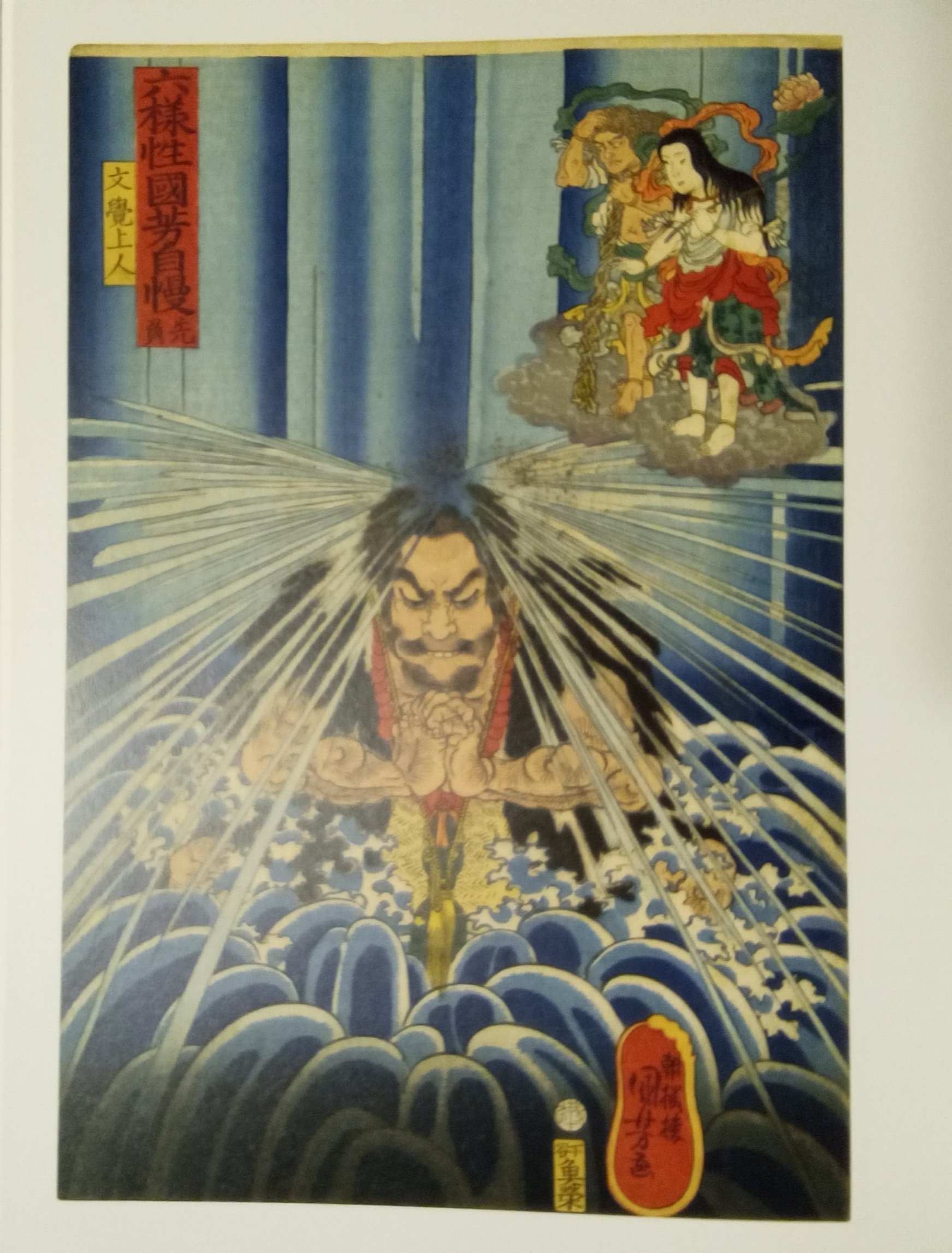
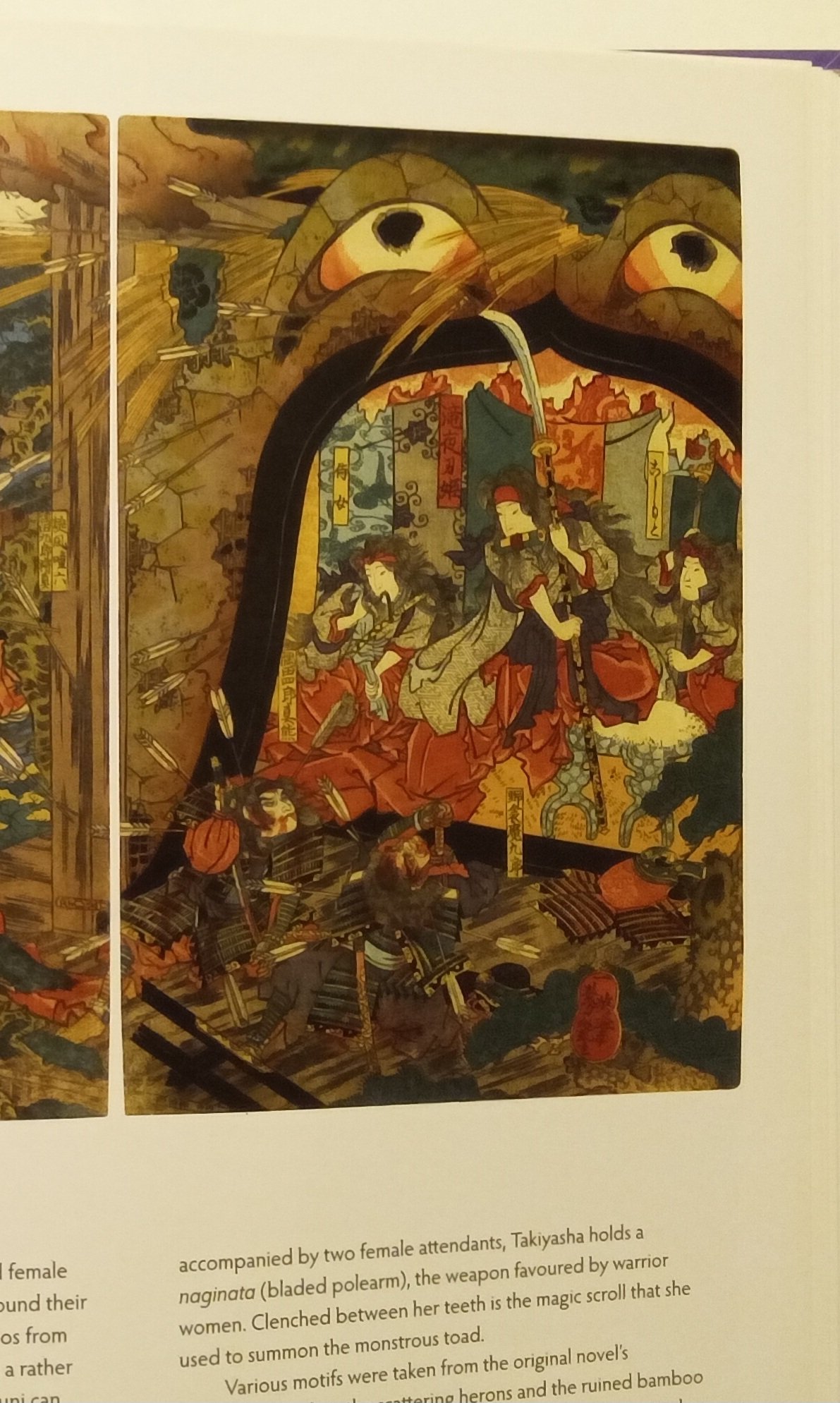
This book lifts the veil on a much-loved but little-understood art form by presenting the 200 most exceptional Japanese woodblock prints in their historical context. Ranging from the 17th-century development of decadent ukiyo-e, or “pictures of the floating world,” to the decline and later resurgence of prints in the early 20th century, the images collected in this edition make up an unmatched record not only of a unique genre in art history, but also of the shifting mores and cultural development of Japan.
More by kunisada, kuniyoshi, yoshitoshi, kyosai, and others.


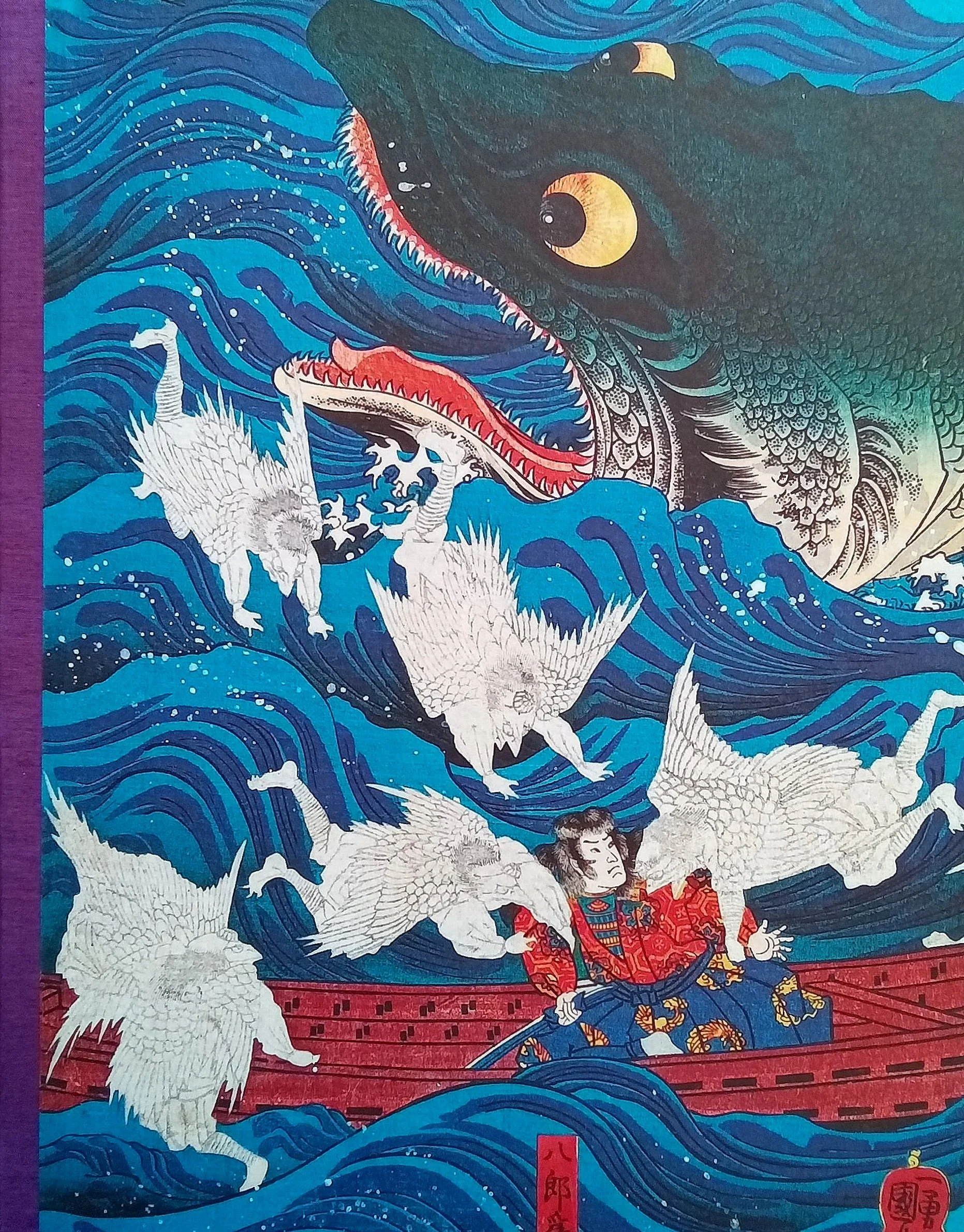 Image 1 of 23
 Image 2 of 23
 Image 3 of 23
 Image 4 of 23
 Image 5 of 23
 Image 6 of 23
 Image 7 of 23
 Image 8 of 23
 Image 9 of 23
 Image 10 of 23
 Image 11 of 23
 Image 12 of 23
 Image 13 of 23
 Image 14 of 23
 Image 15 of 23
 Image 16 of 23
 Image 17 of 23
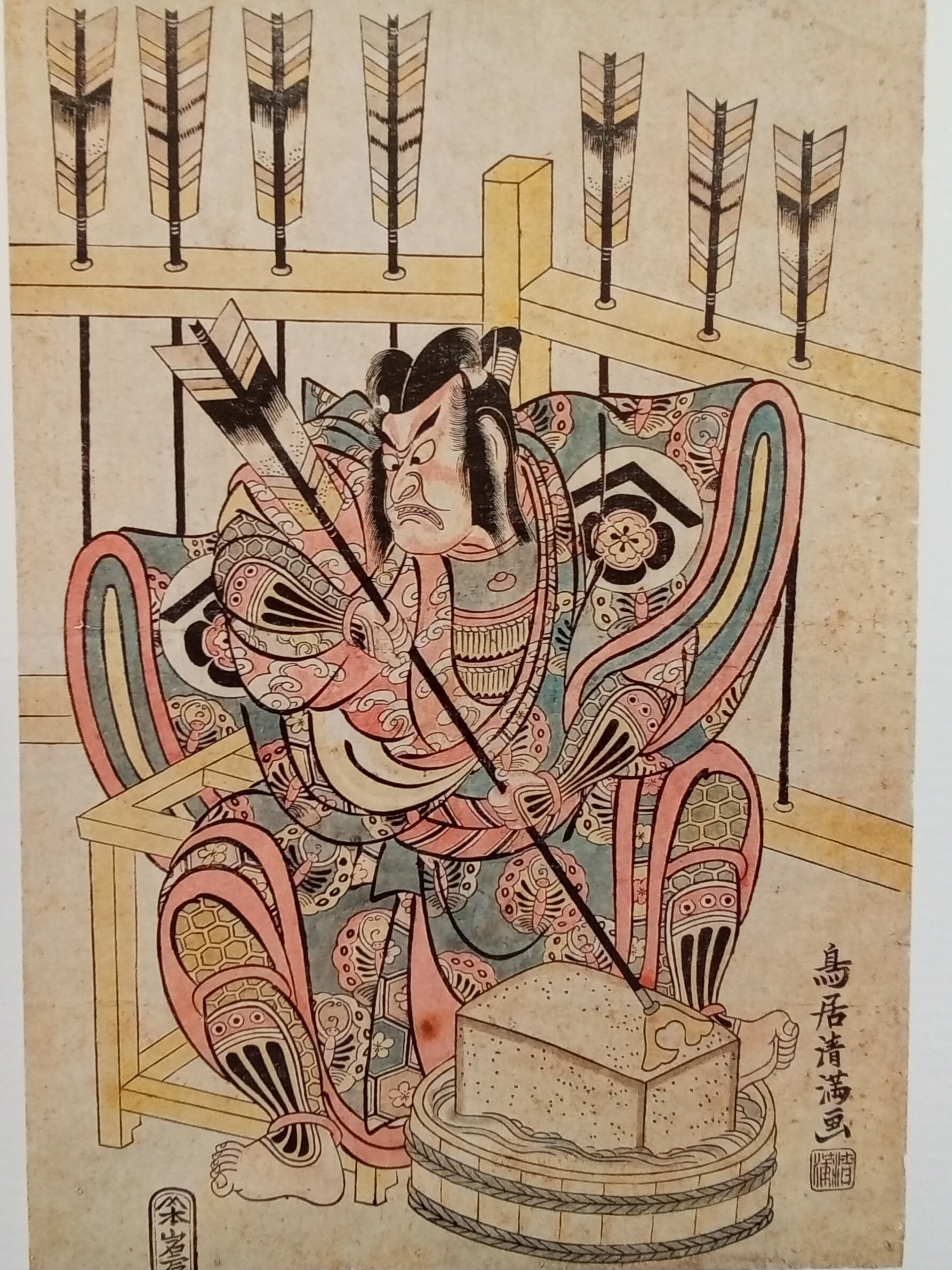 Image 18 of 23
 Image 19 of 23
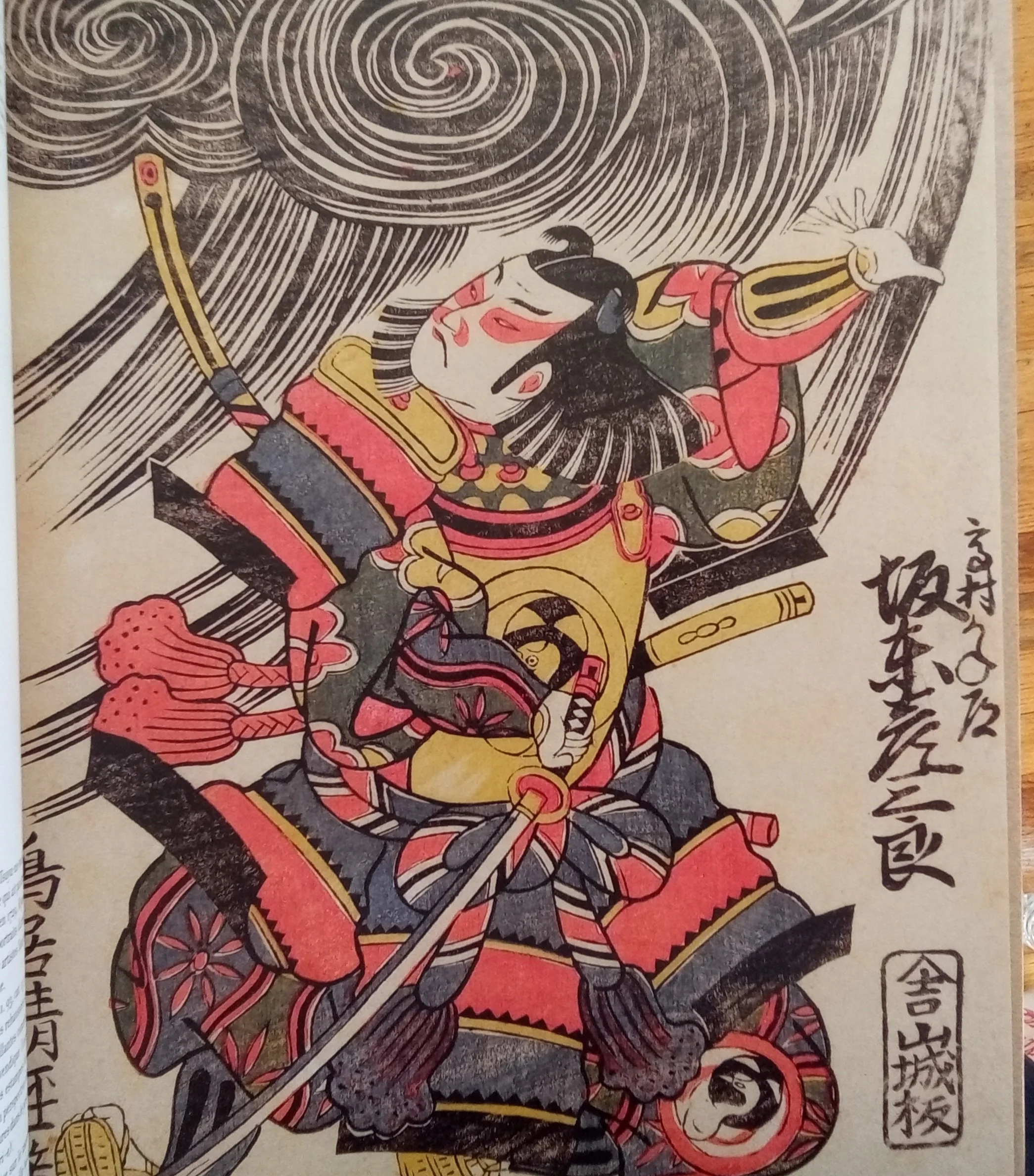 Image 20 of 23
 Image 21 of 23
 Image 22 of 23
 Image 23 of 23