Symbols of Power in Art
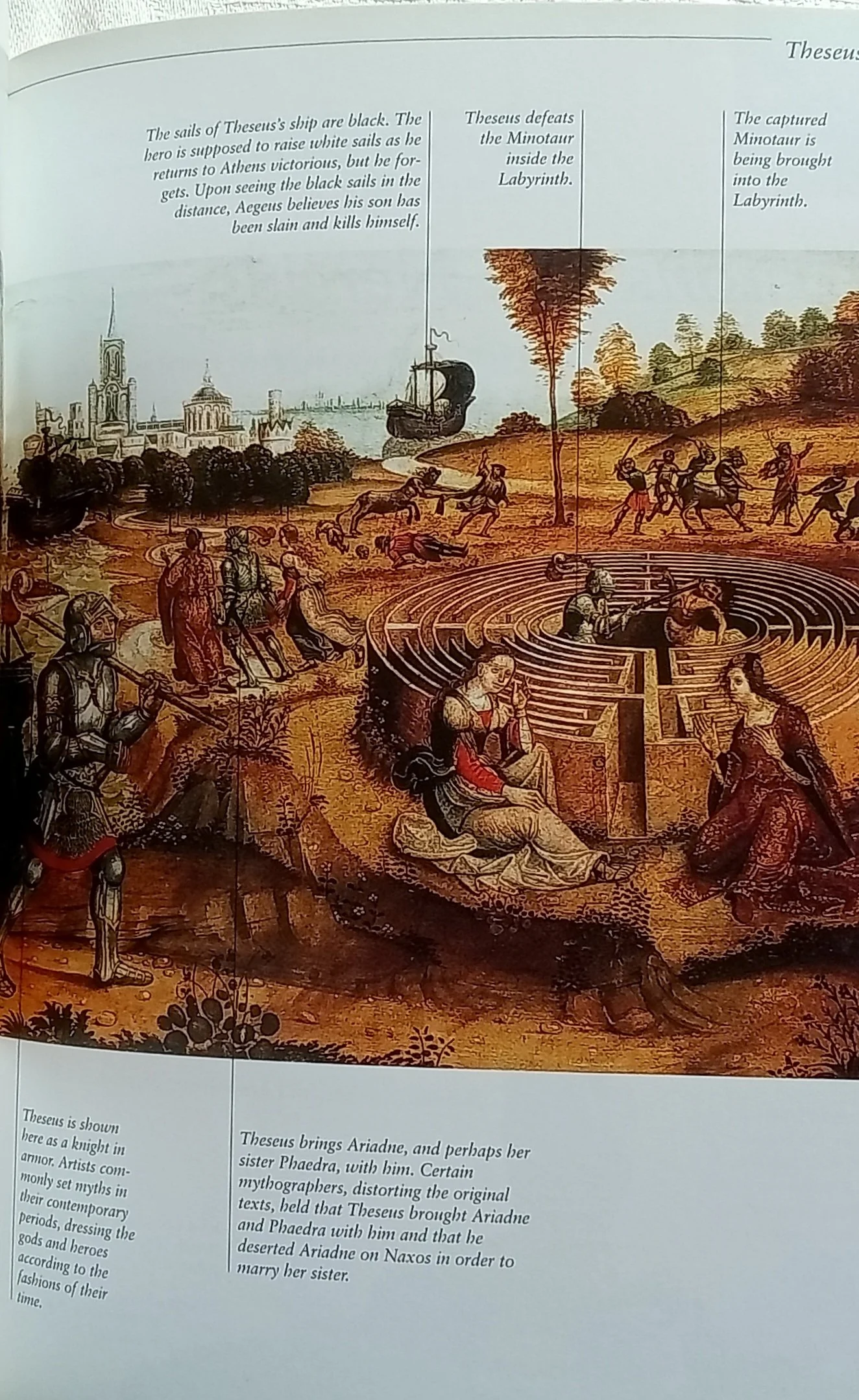
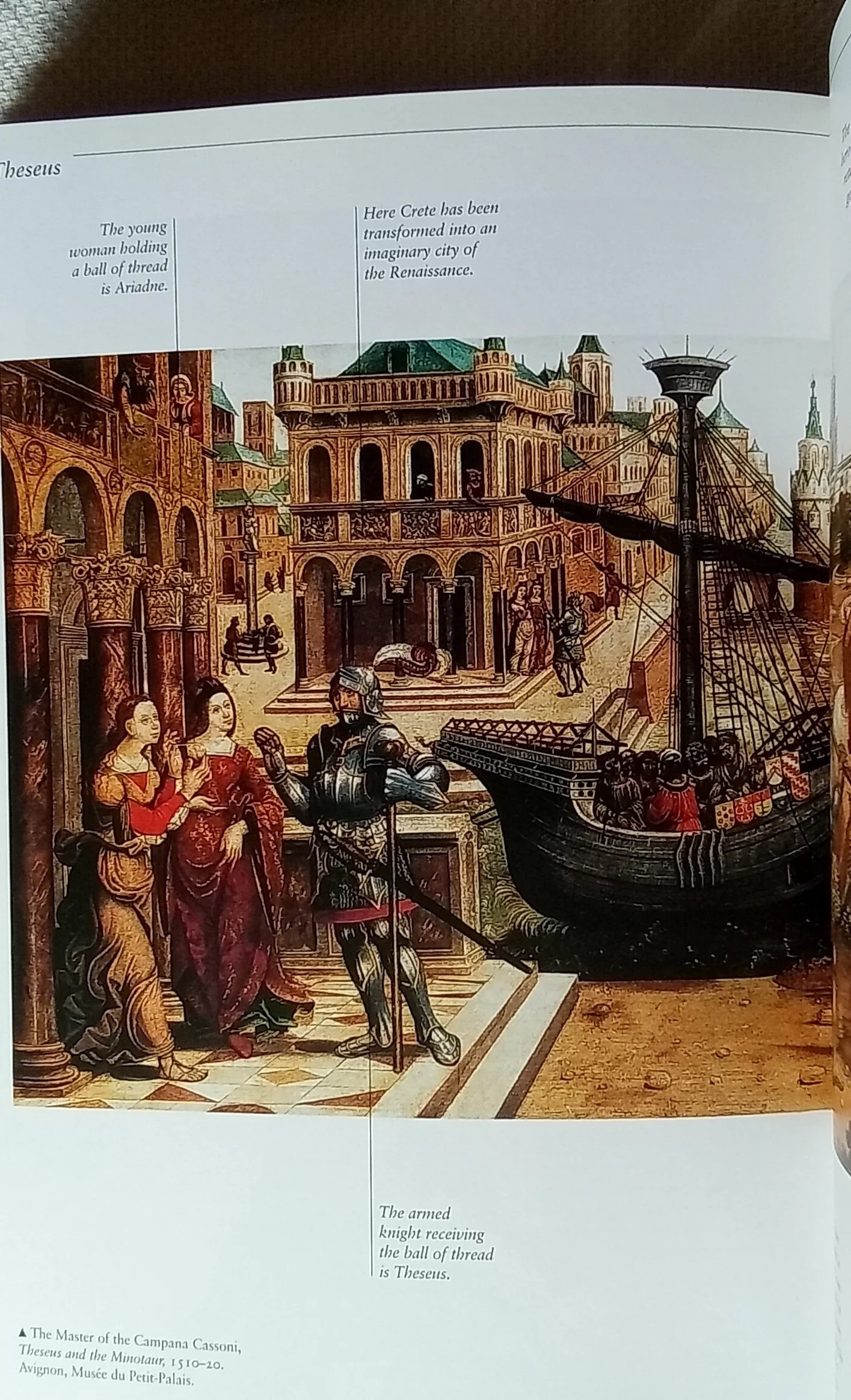
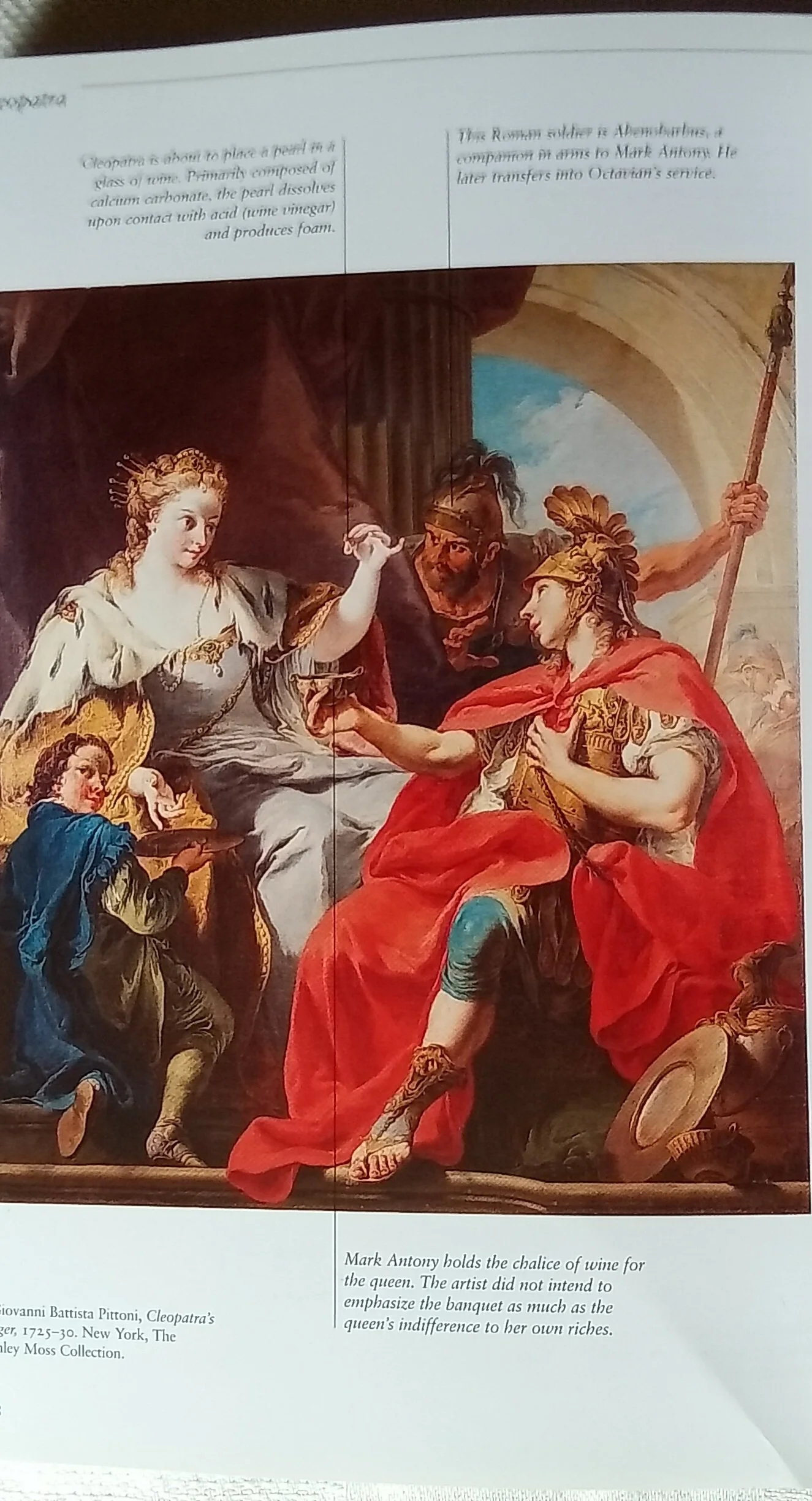
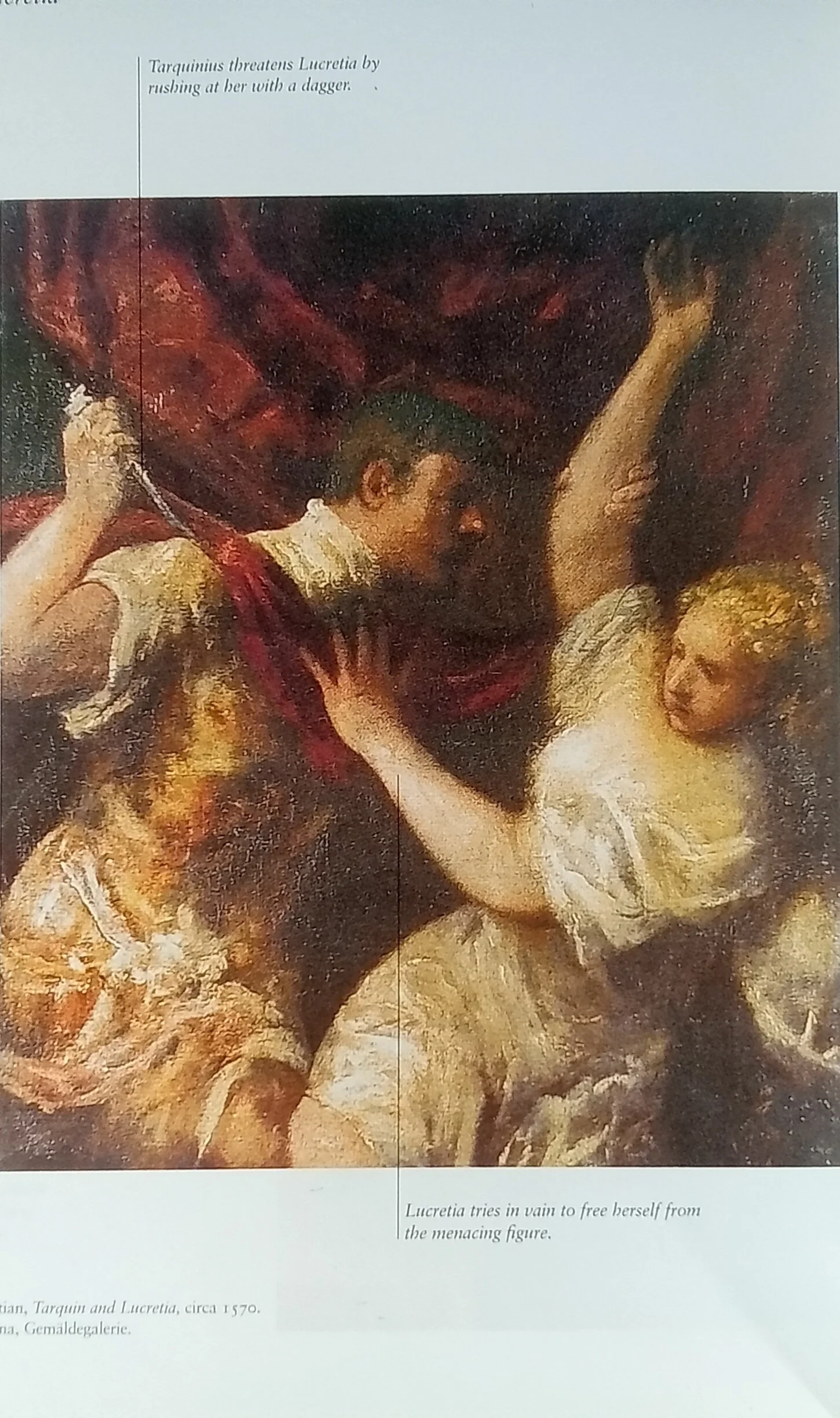
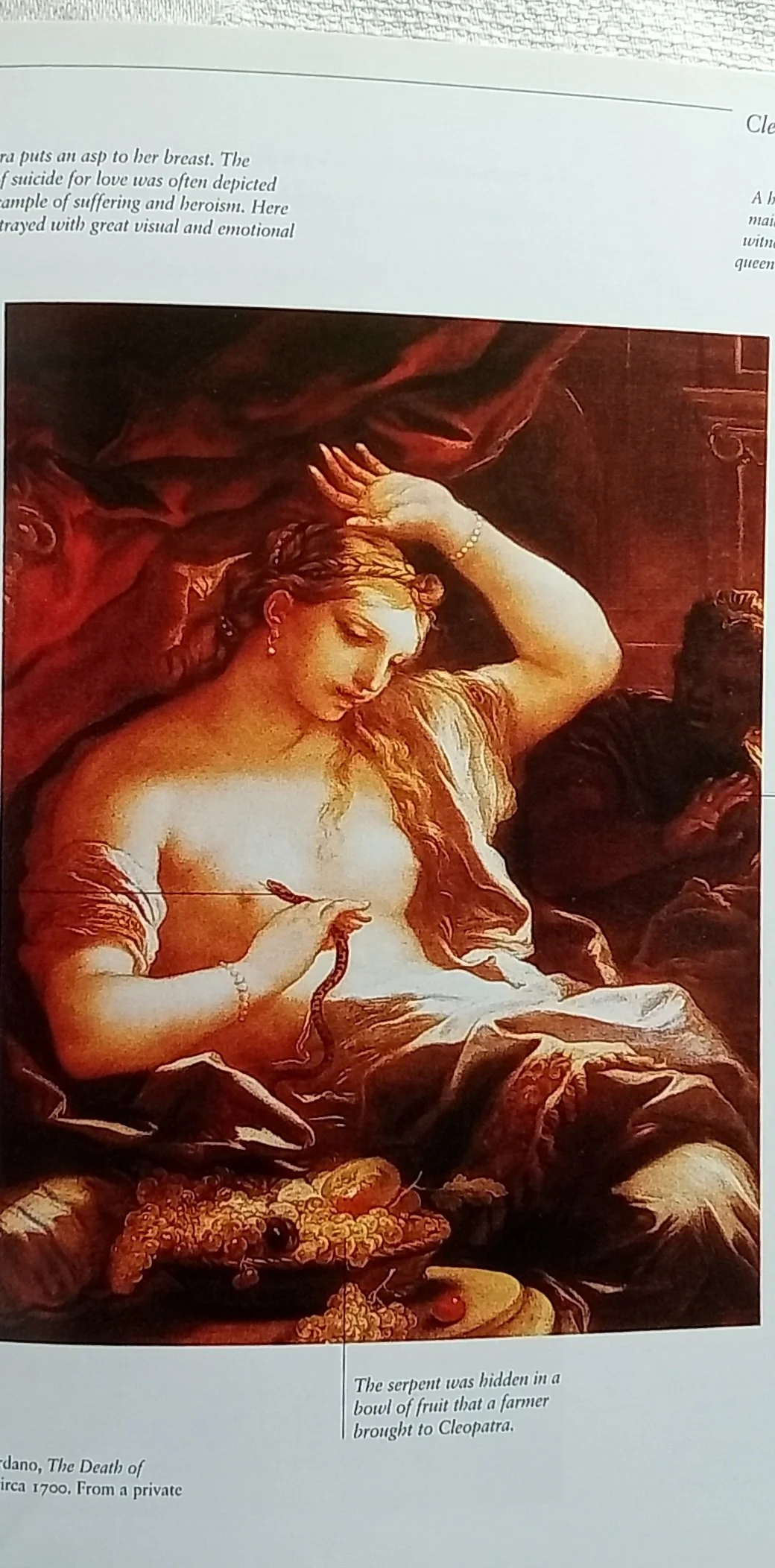
Thisvolume examines the ways that sovereign rulers have employed well-defined symbols, attributes, and stereotypes to convey their power to their subjects and rivals, as well as to leave a legacy for subsequent generations to admire.
400pgs, $25
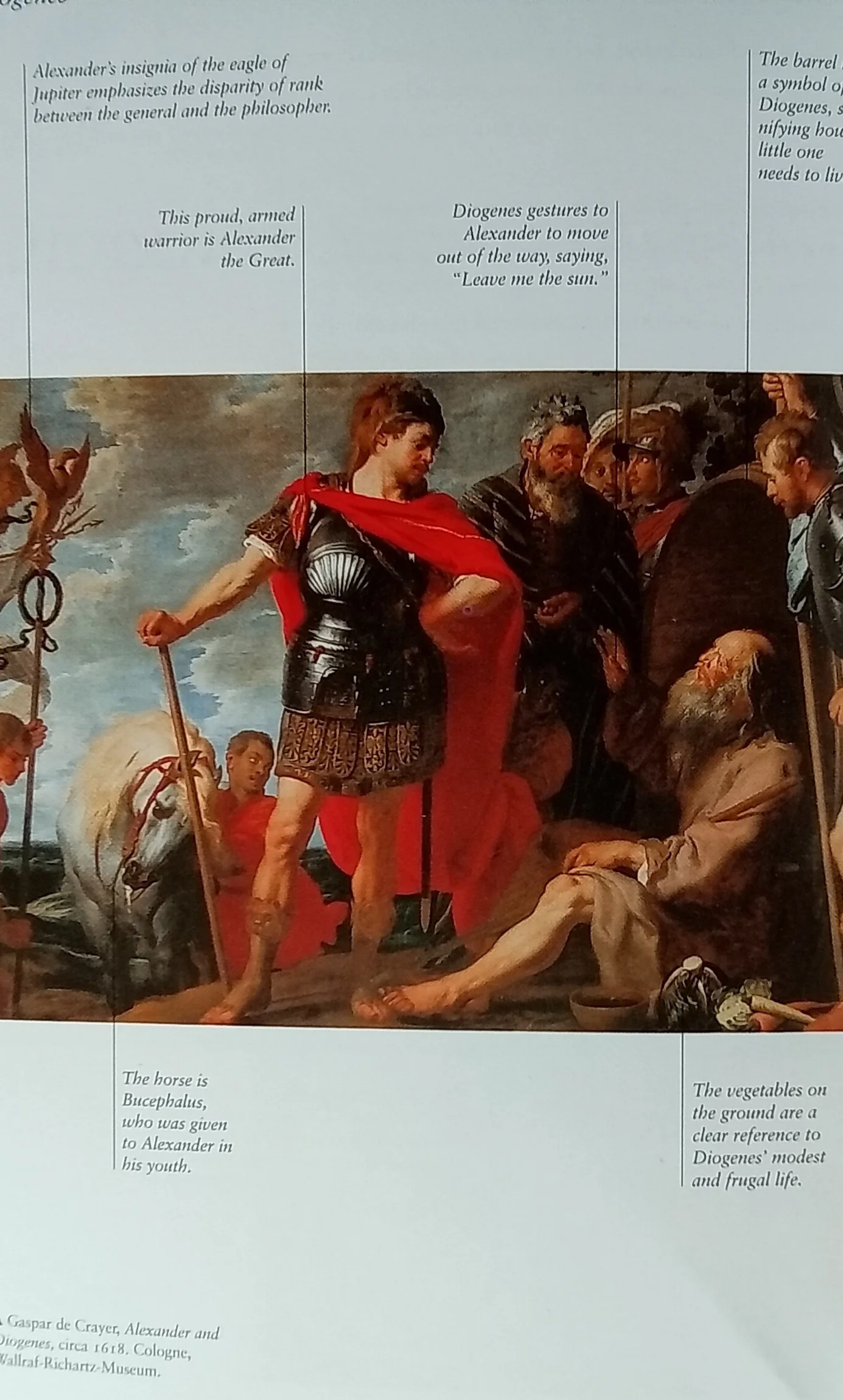
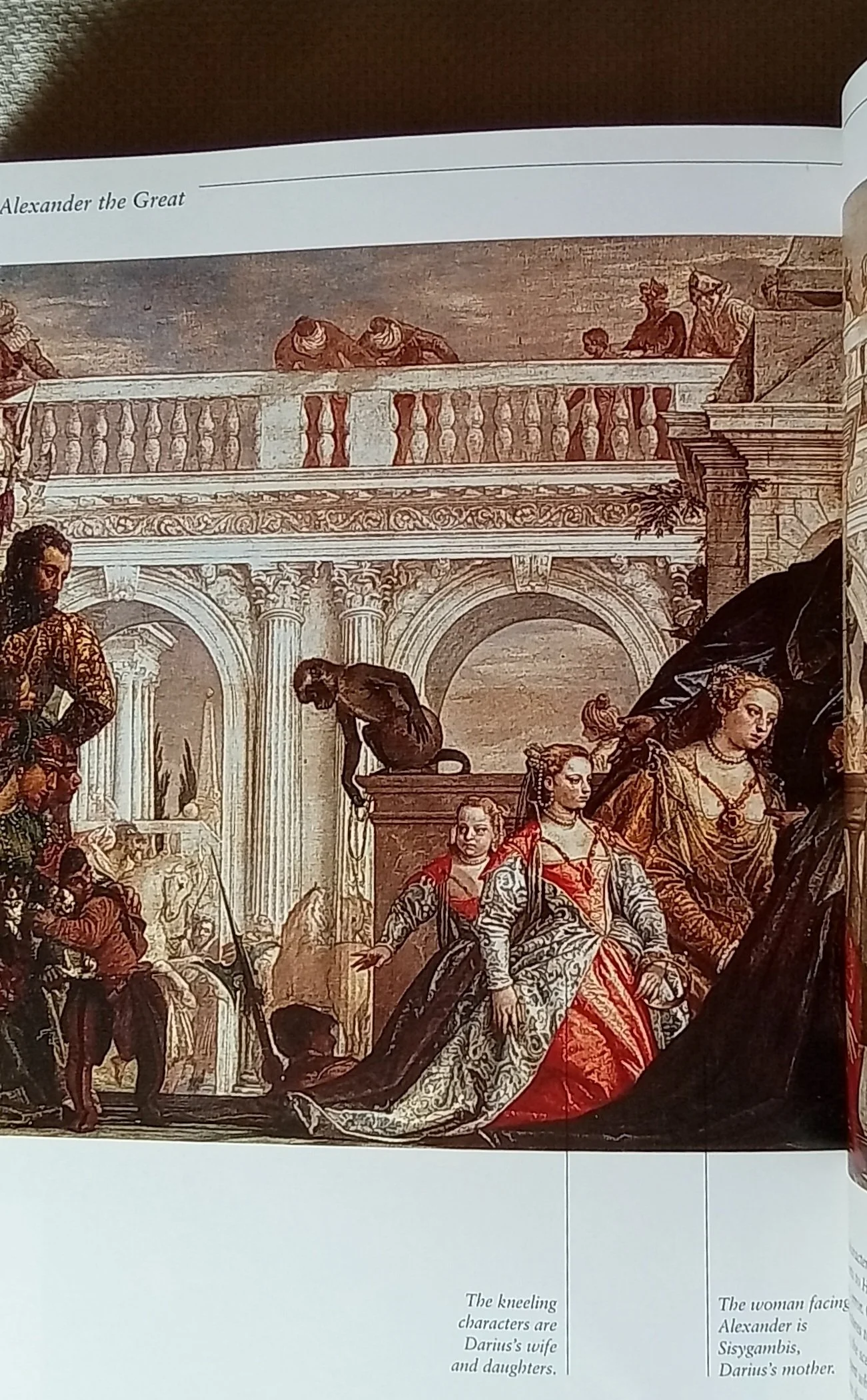
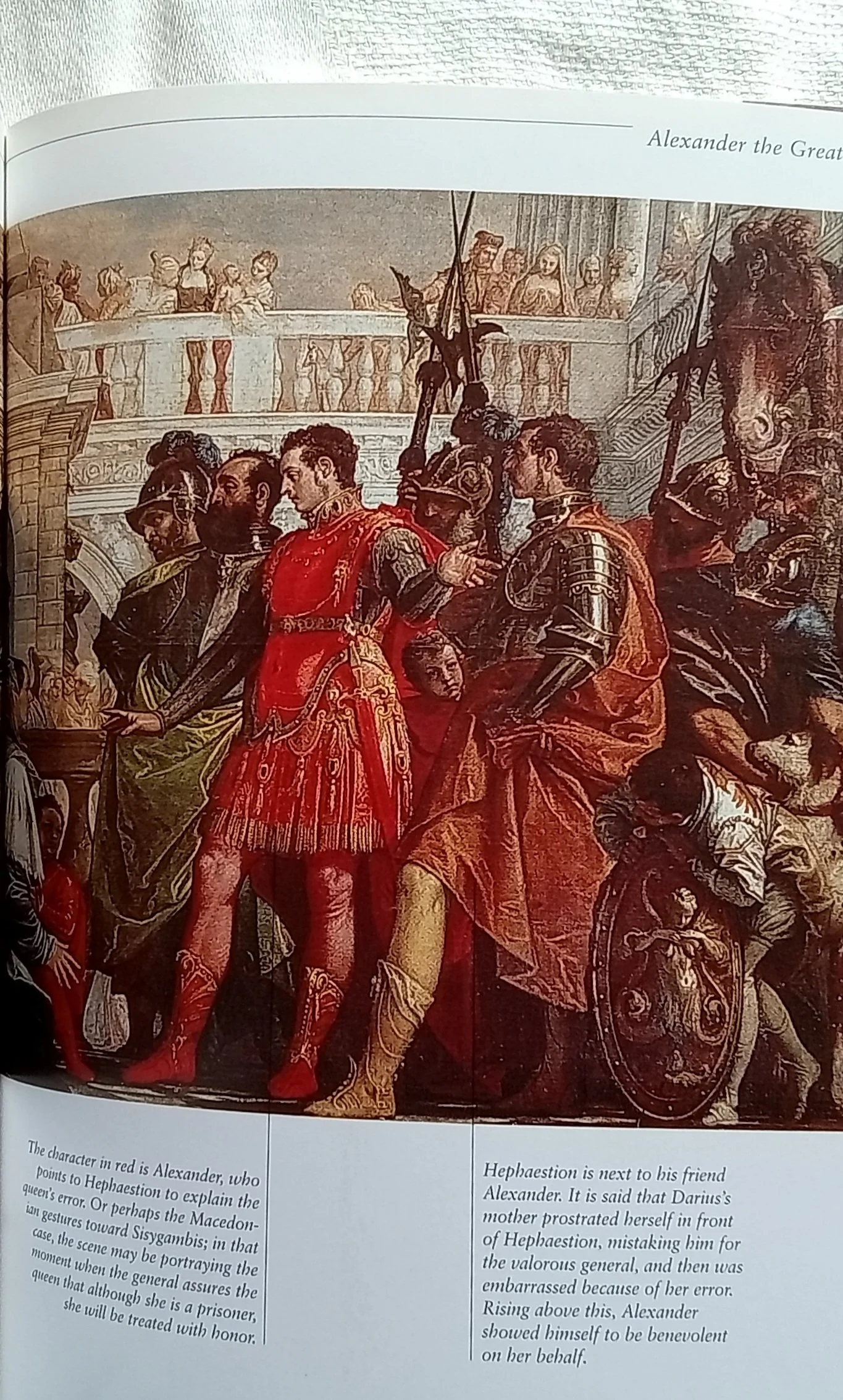
Legendary rulers from antiquity such as Alexander the Great, Julius Caesar, and Constantine have been looked to as models for their display of imperial power by the rulers of later eras. From medieval sovereigns such as Charlemagne and France’s Louis IX to the tsars of Russia and the great European royal dynasties of the Hapsburgs, the Bourbons, and the Tudors, the rulers of each period have appropriated and often embellished the emblems of power employed by their predecessors.
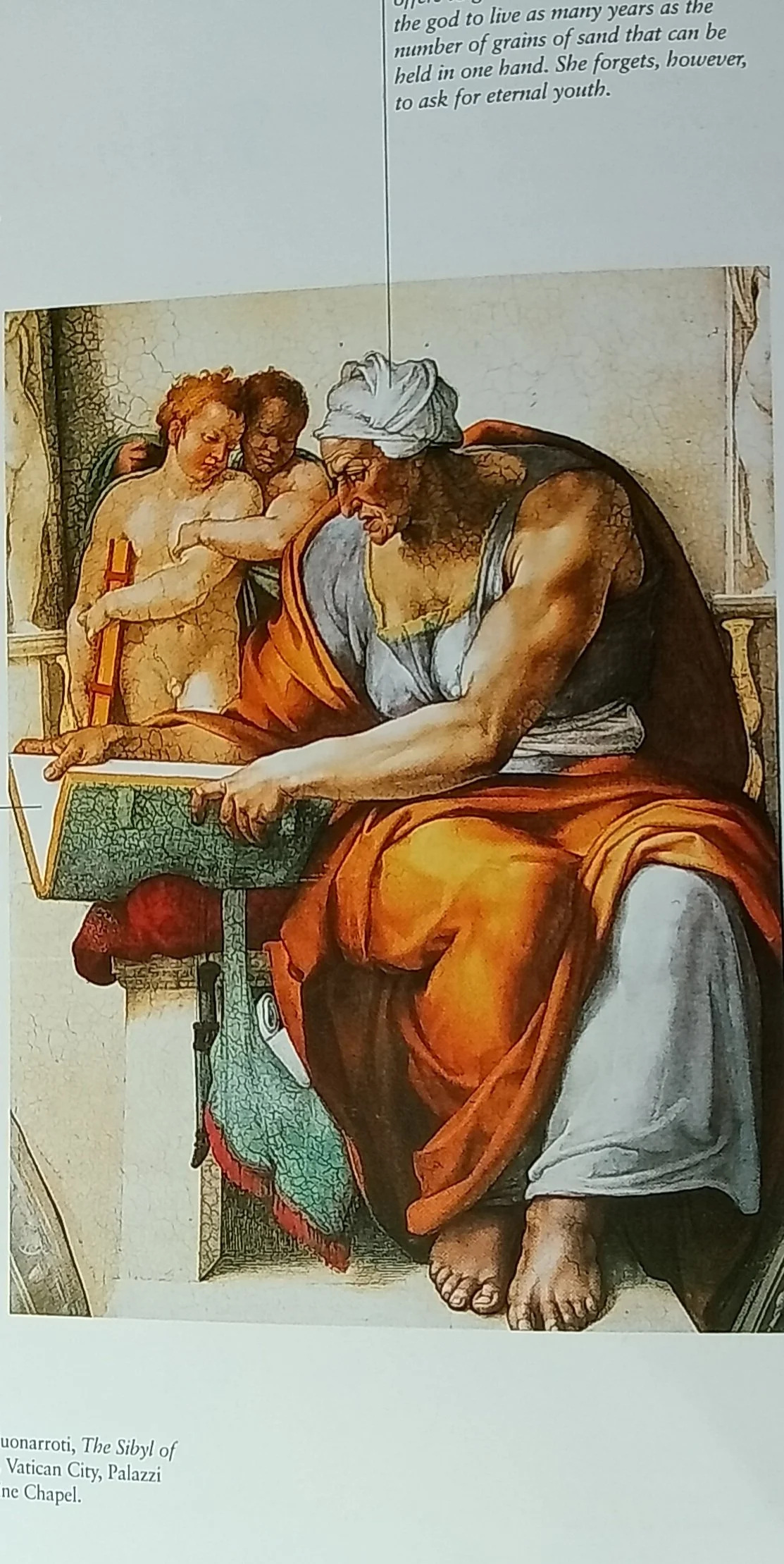
Even the second-tier lords who ruled parts of France and Italy during the Renaissance, such as the dukes of Burgundy, the Gonzaga of Mantua, and the Medici of Florence became adept at manipulating this imagery. The final chapter is reserved for Napoleon I, perhaps the ultimate master of symbolic display, who assumed the attributes of Roman emperors to project an image of eternal and immutable authority. The author examines not only regal paraphernalia such as crowns, scepters, thrones, and orbs, but also the painted portraits, sculptures, tapestries, carved ivories, jewelry, coins, armor, and, eventually, photographs created to display their owner’s sovereign power, a vast collection of works that now forms a significant portion of the cultural heritage of Western cicivilization
.400pgs, $25
Symbols of Power in Art
Thisvolume examines the ways that sovereign rulers have employed well-defined symbols, attributes, and stereotypes to convey their power to their subjects and rivals, as well as to leave a legacy for subsequent generations to admire.
400pgs, $25
Legendary rulers from antiquity such as Alexander the Great, Julius Caesar, and Constantine have been looked to as models for their display of imperial power by the rulers of later eras. From medieval sovereigns such as Charlemagne and France’s Louis IX to the tsars of Russia and the great European royal dynasties of the Hapsburgs, the Bourbons, and the Tudors, the rulers of each period have appropriated and often embellished the emblems of power employed by their predecessors.
Even the second-tier lords who ruled parts of France and Italy during the Renaissance, such as the dukes of Burgundy, the Gonzaga of Mantua, and the Medici of Florence became adept at manipulating this imagery. The final chapter is reserved for Napoleon I, perhaps the ultimate master of symbolic display, who assumed the attributes of Roman emperors to project an image of eternal and immutable authority. The author examines not only regal paraphernalia such as crowns, scepters, thrones, and orbs, but also the painted portraits, sculptures, tapestries, carved ivories, jewelry, coins, armor, and, eventually, photographs created to display their owner’s sovereign power, a vast collection of works that now forms a significant portion of the cultural heritage of Western cicivilization
.400pgs, $25


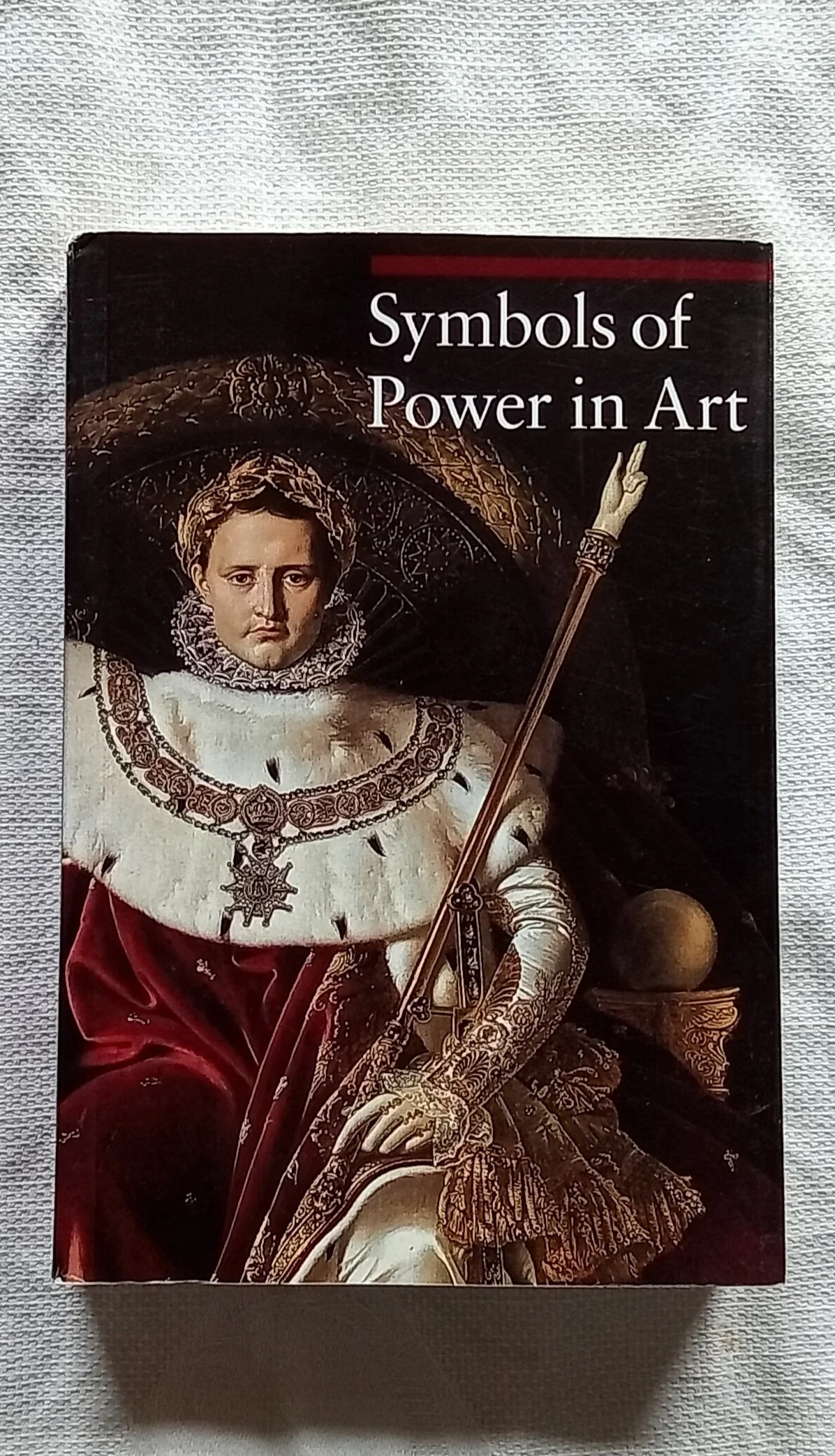 Image 1 of 27
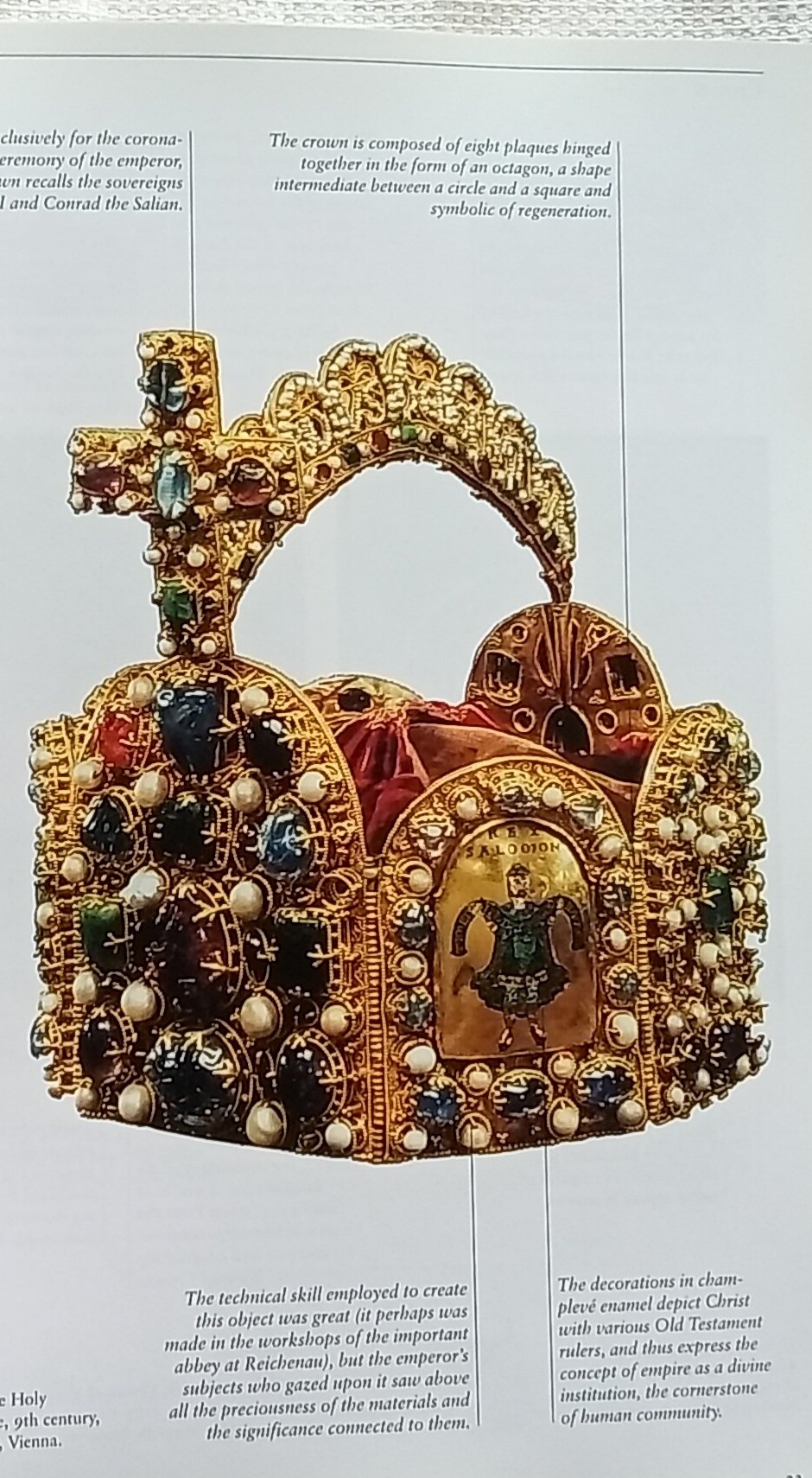 Image 2 of 27
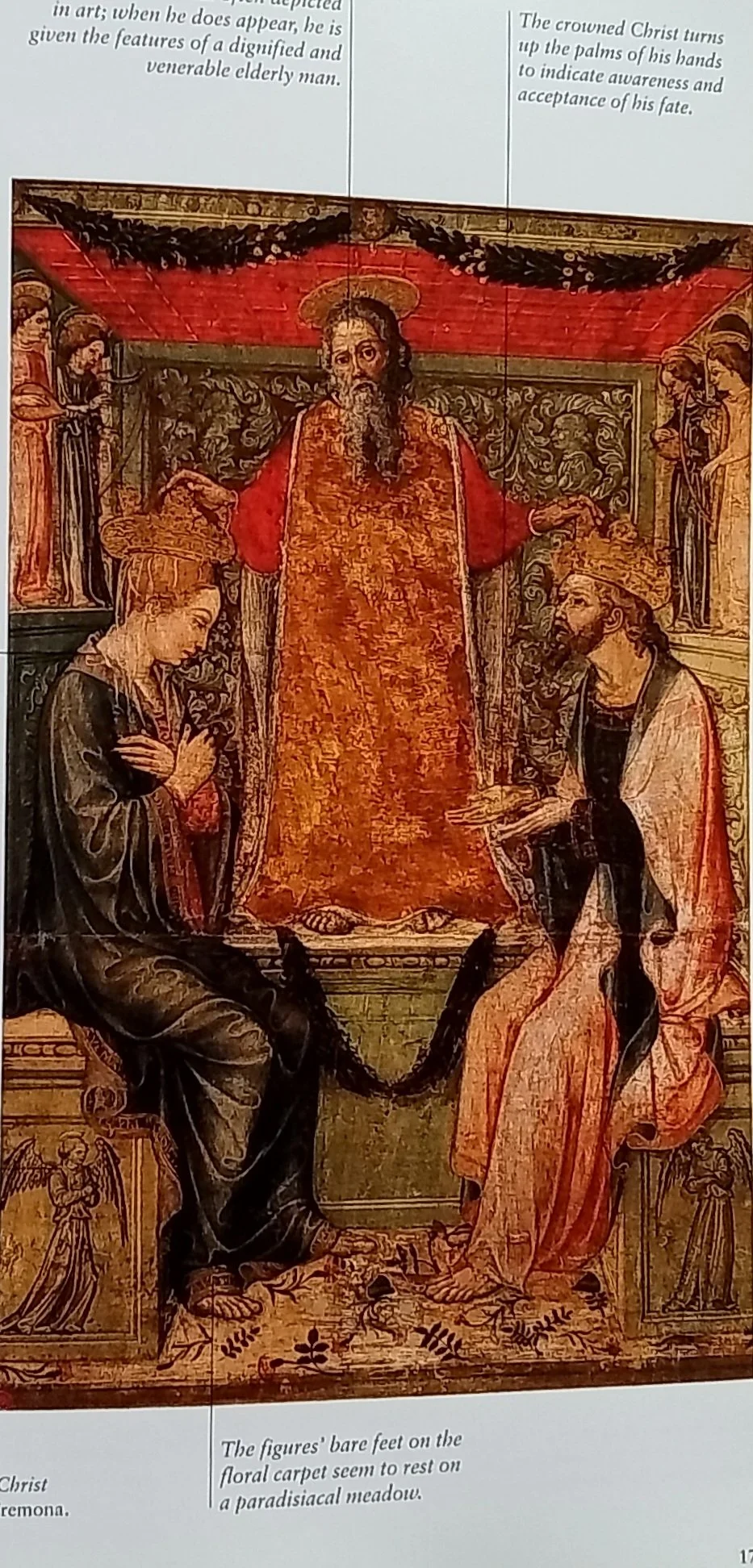 Image 3 of 27
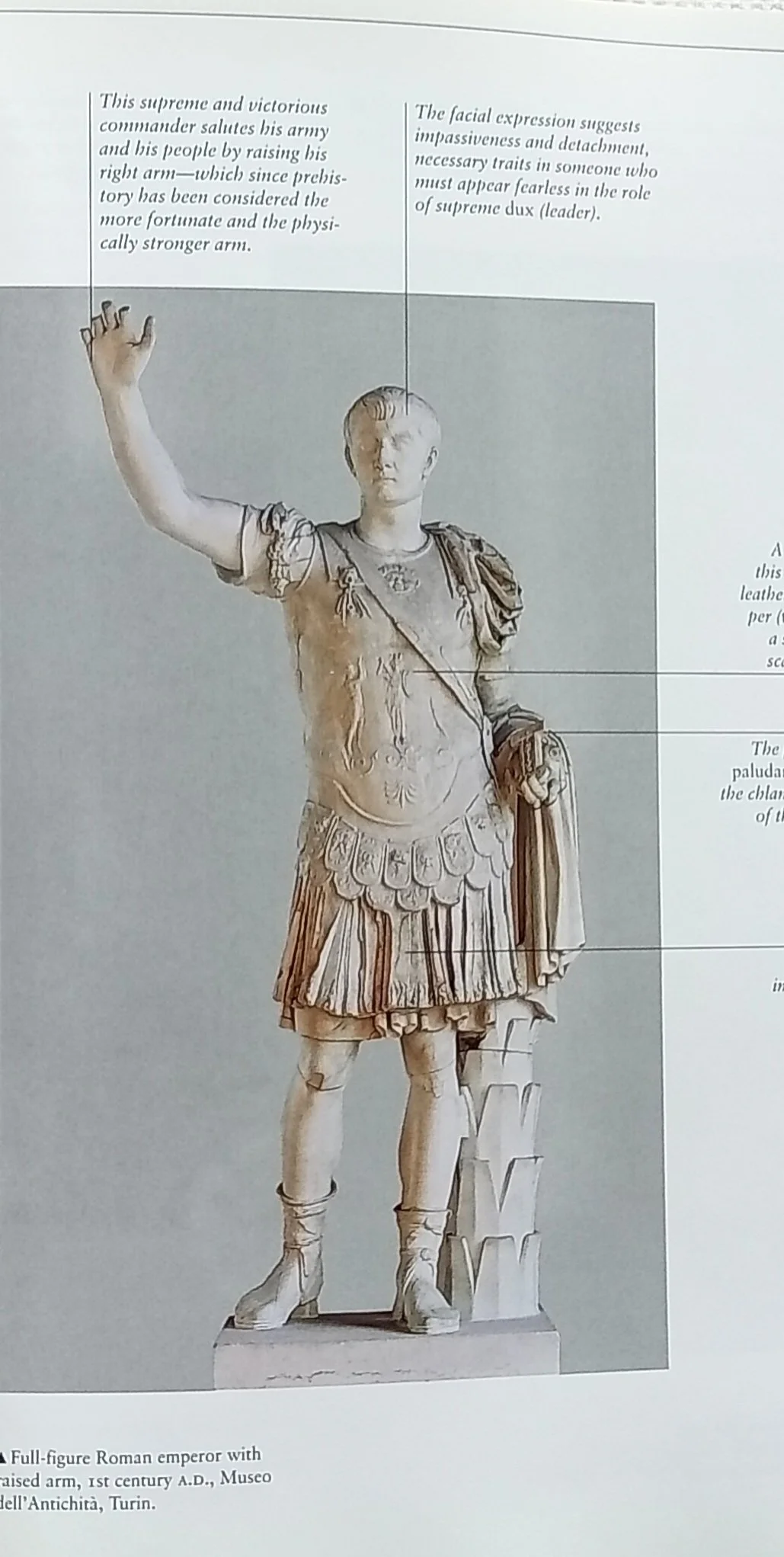 Image 4 of 27
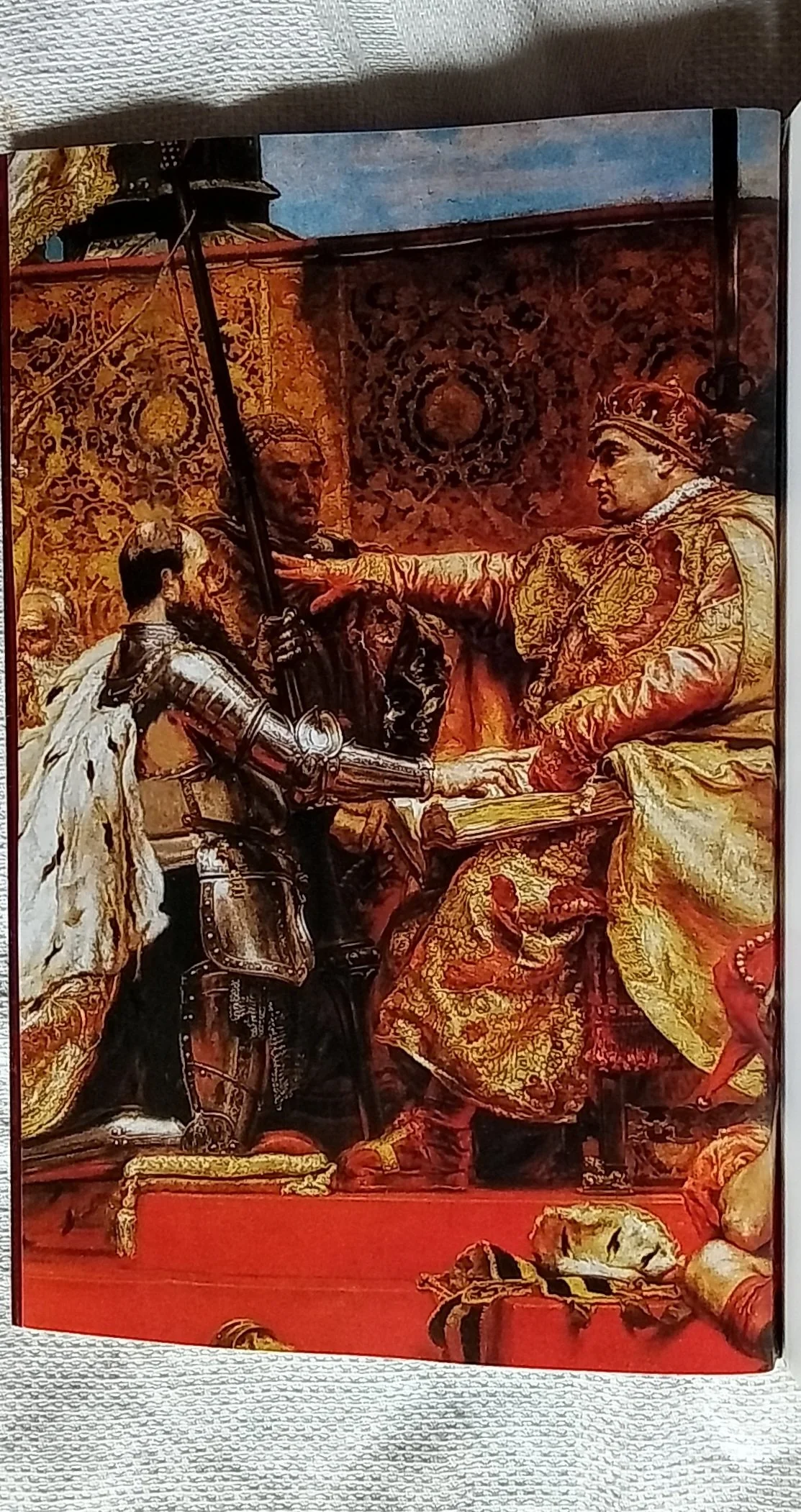 Image 5 of 27
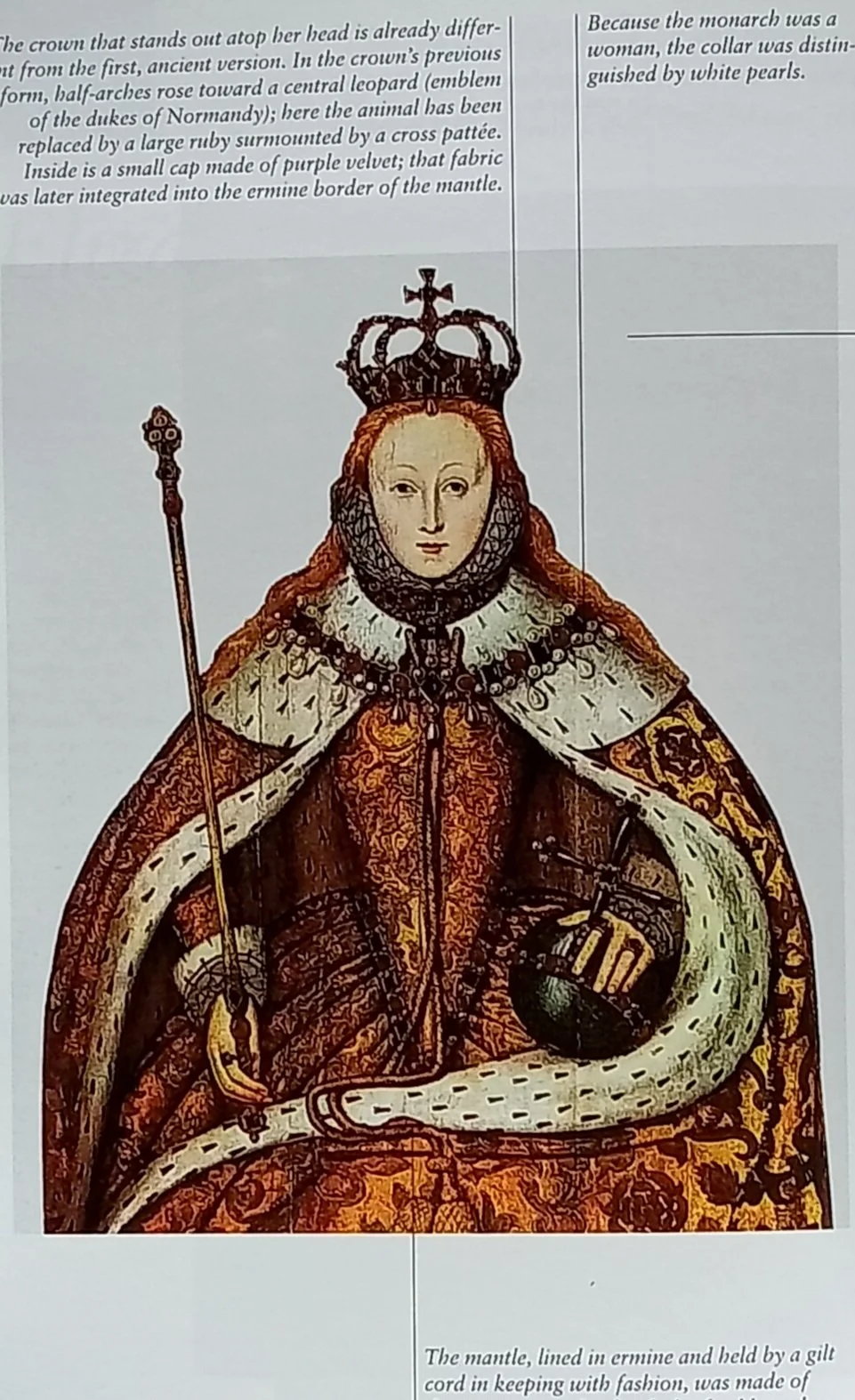 Image 6 of 27
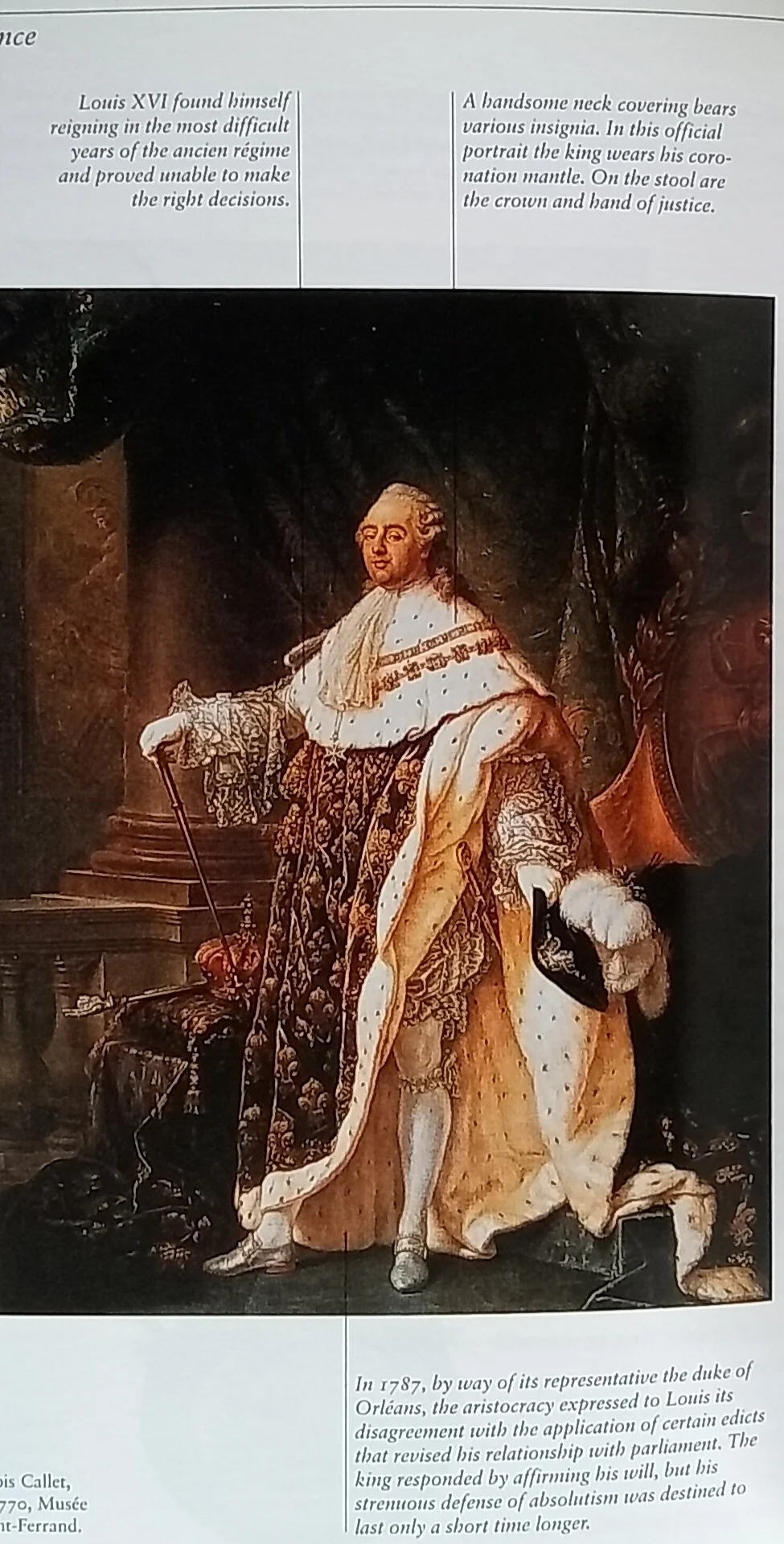 Image 7 of 27
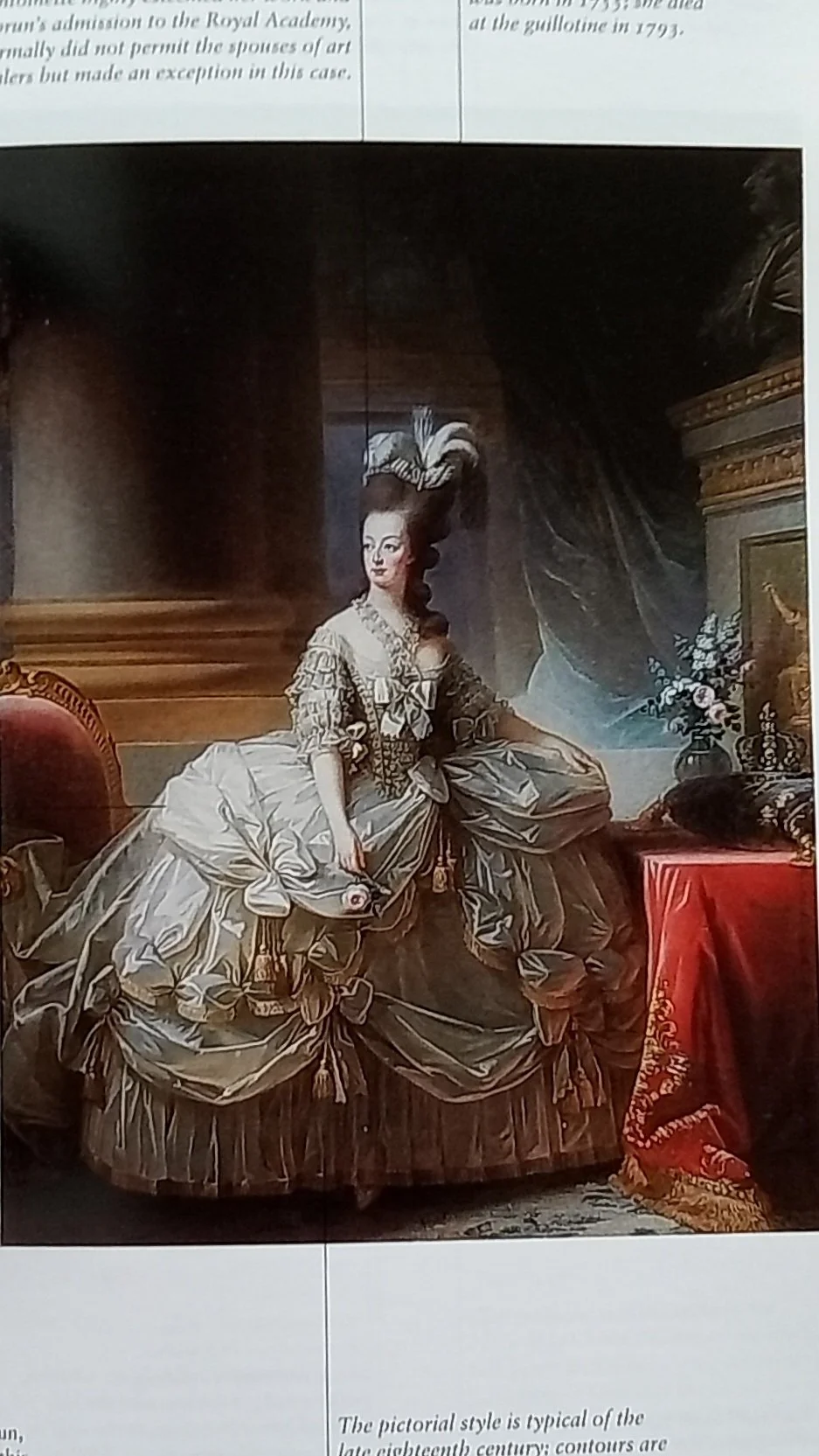 Image 8 of 27
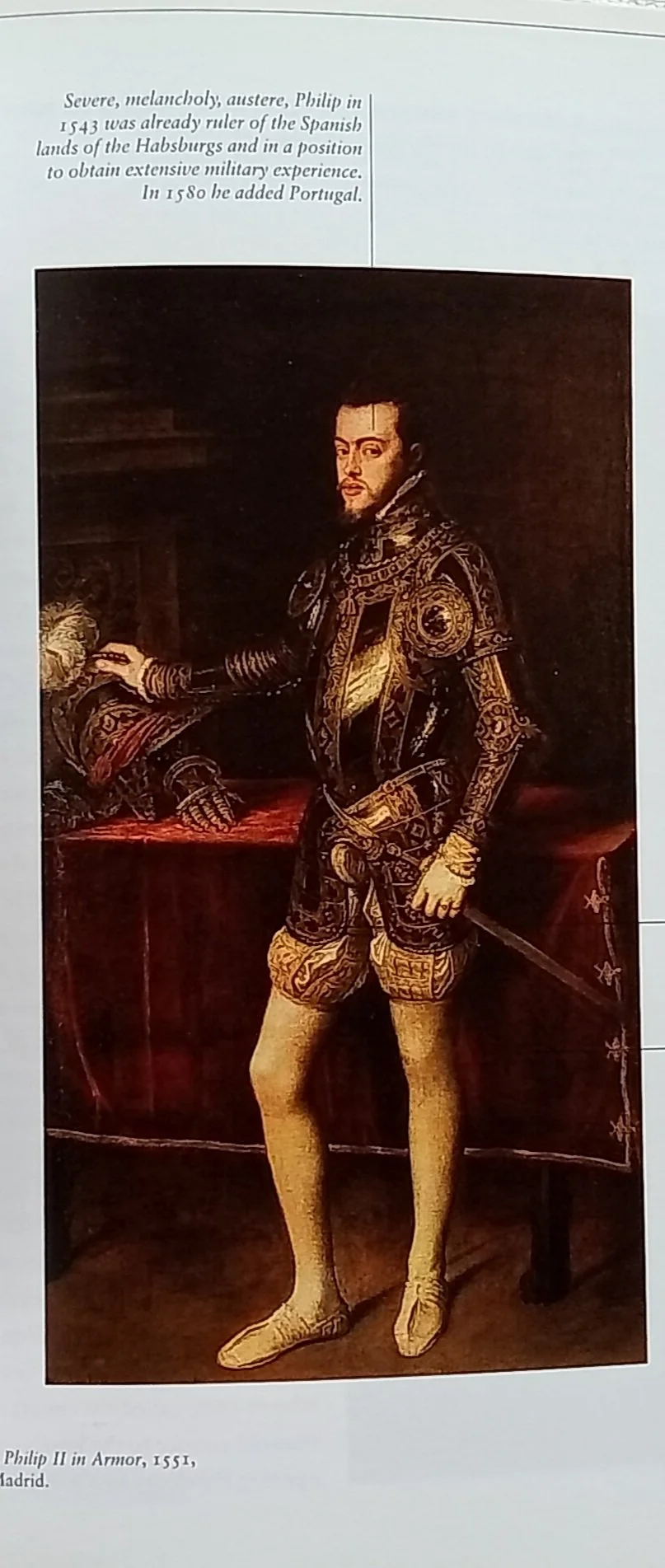 Image 9 of 27
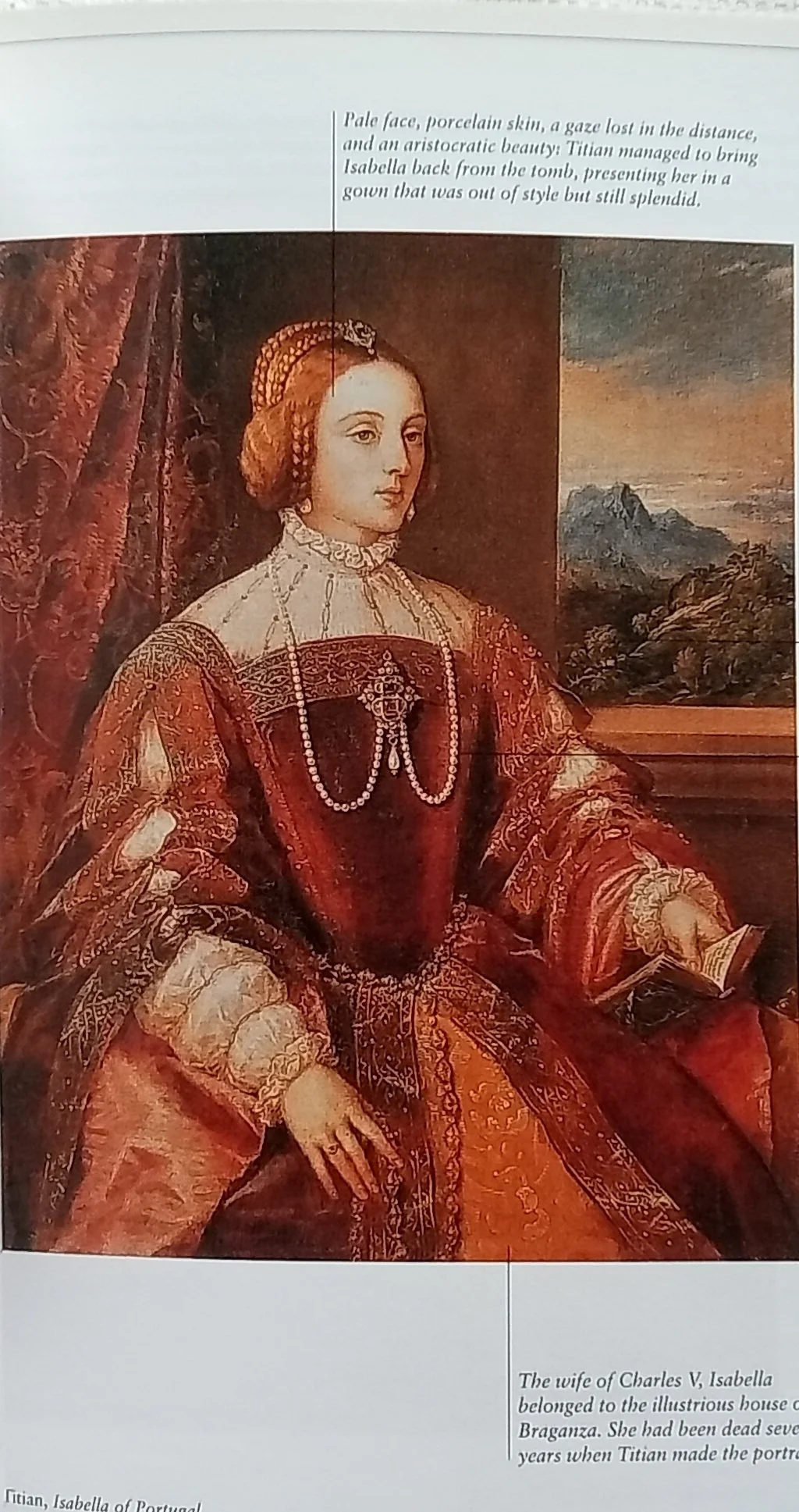 Image 10 of 27
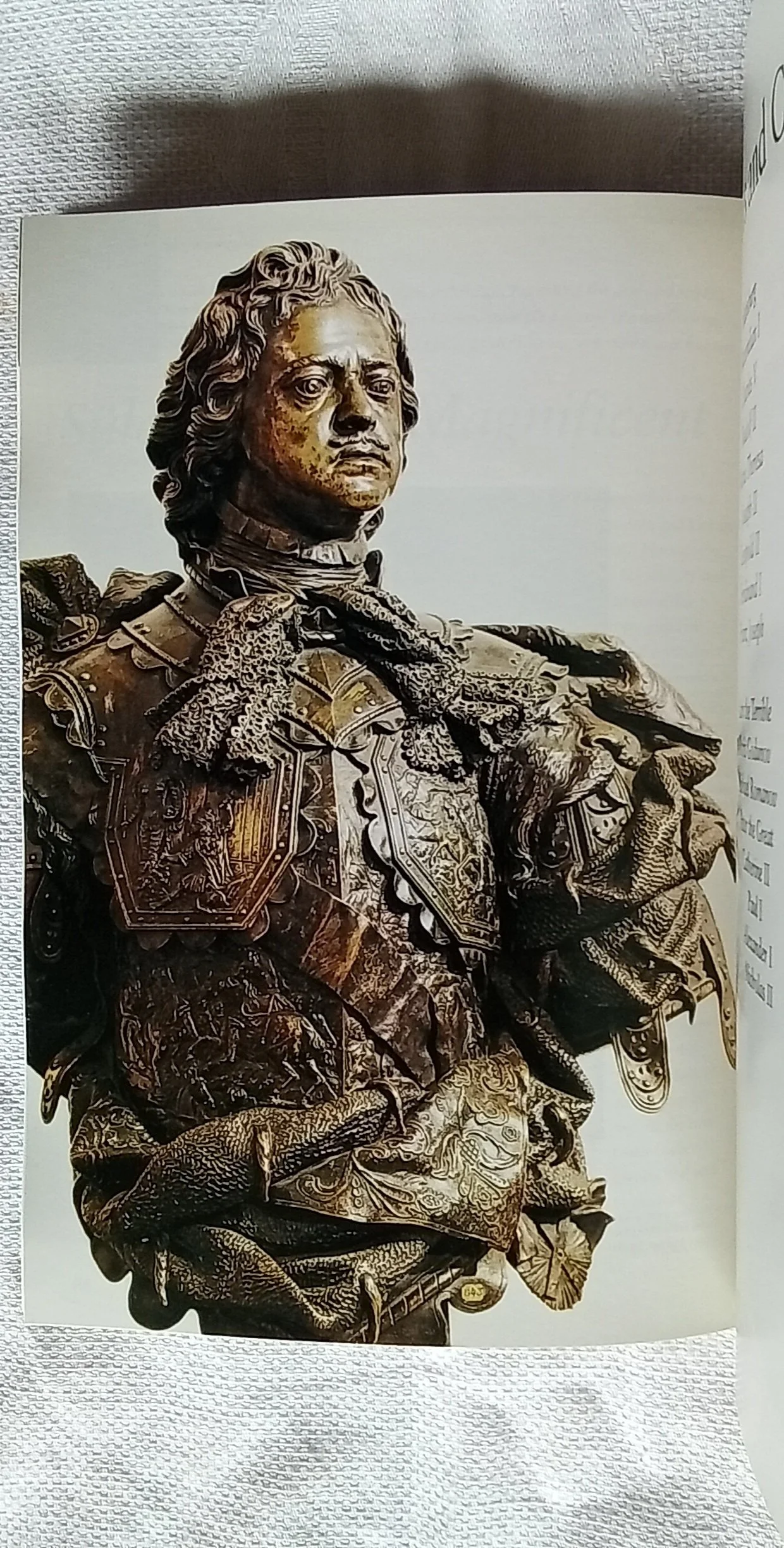 Image 11 of 27
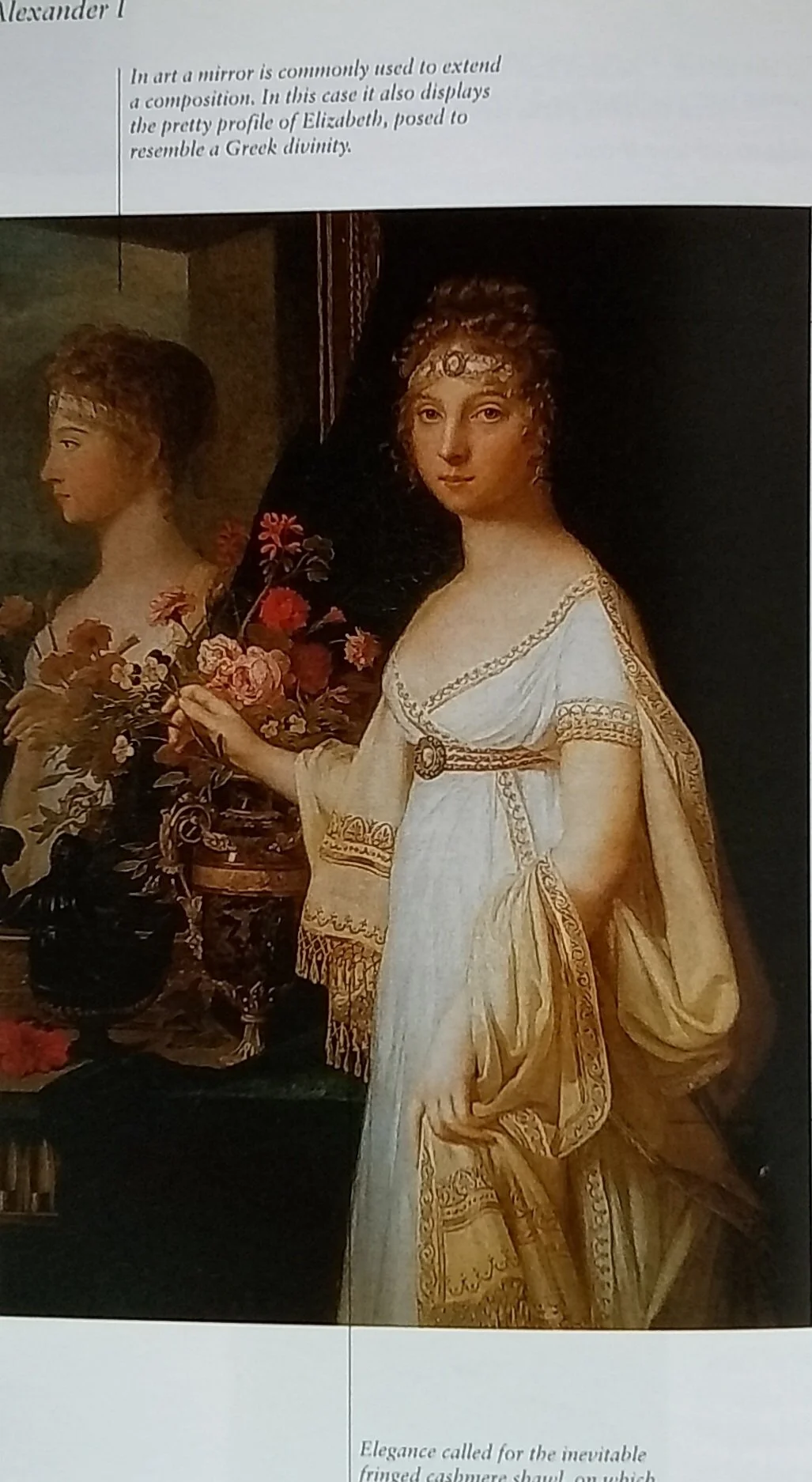 Image 12 of 27
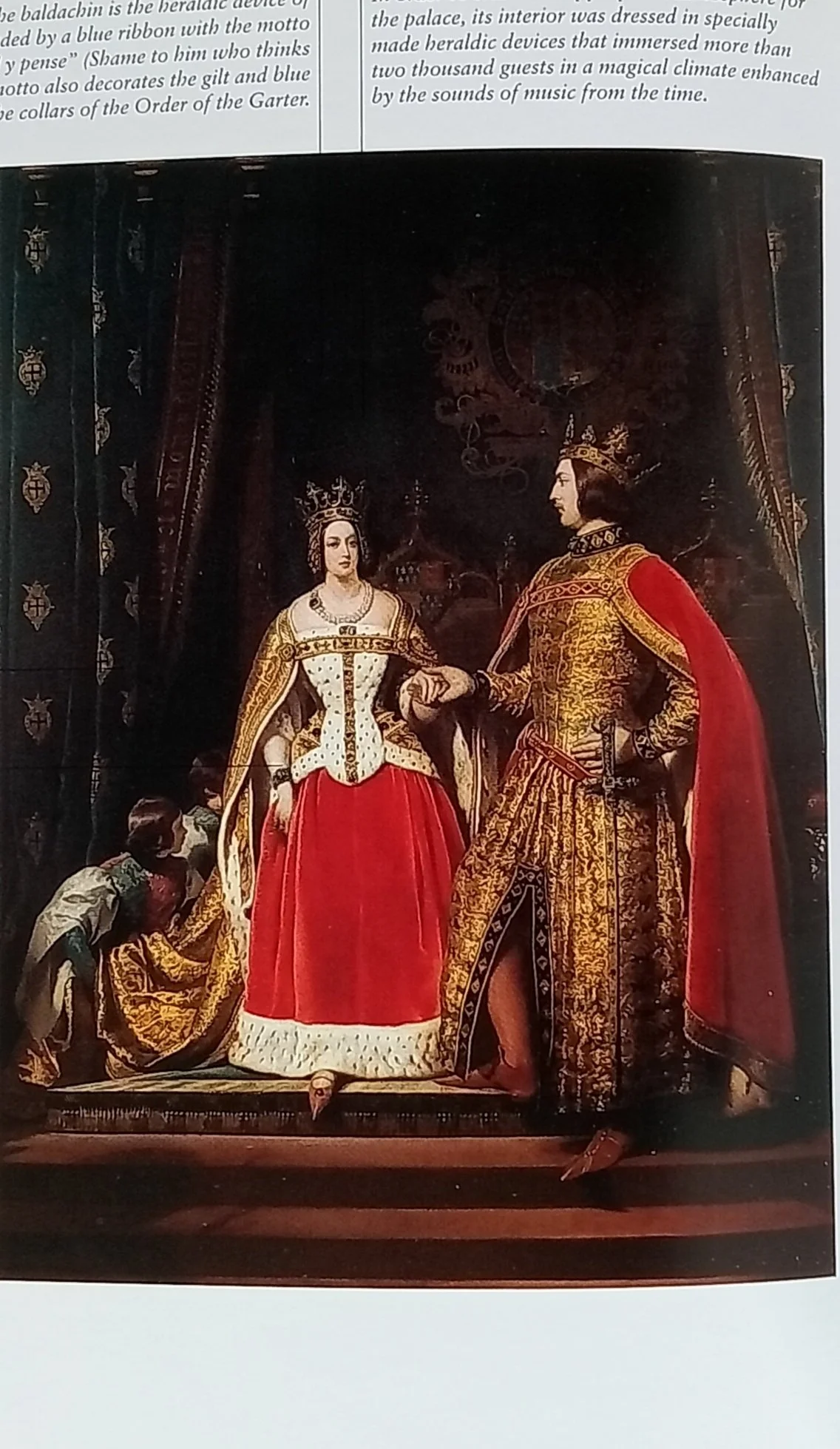 Image 13 of 27
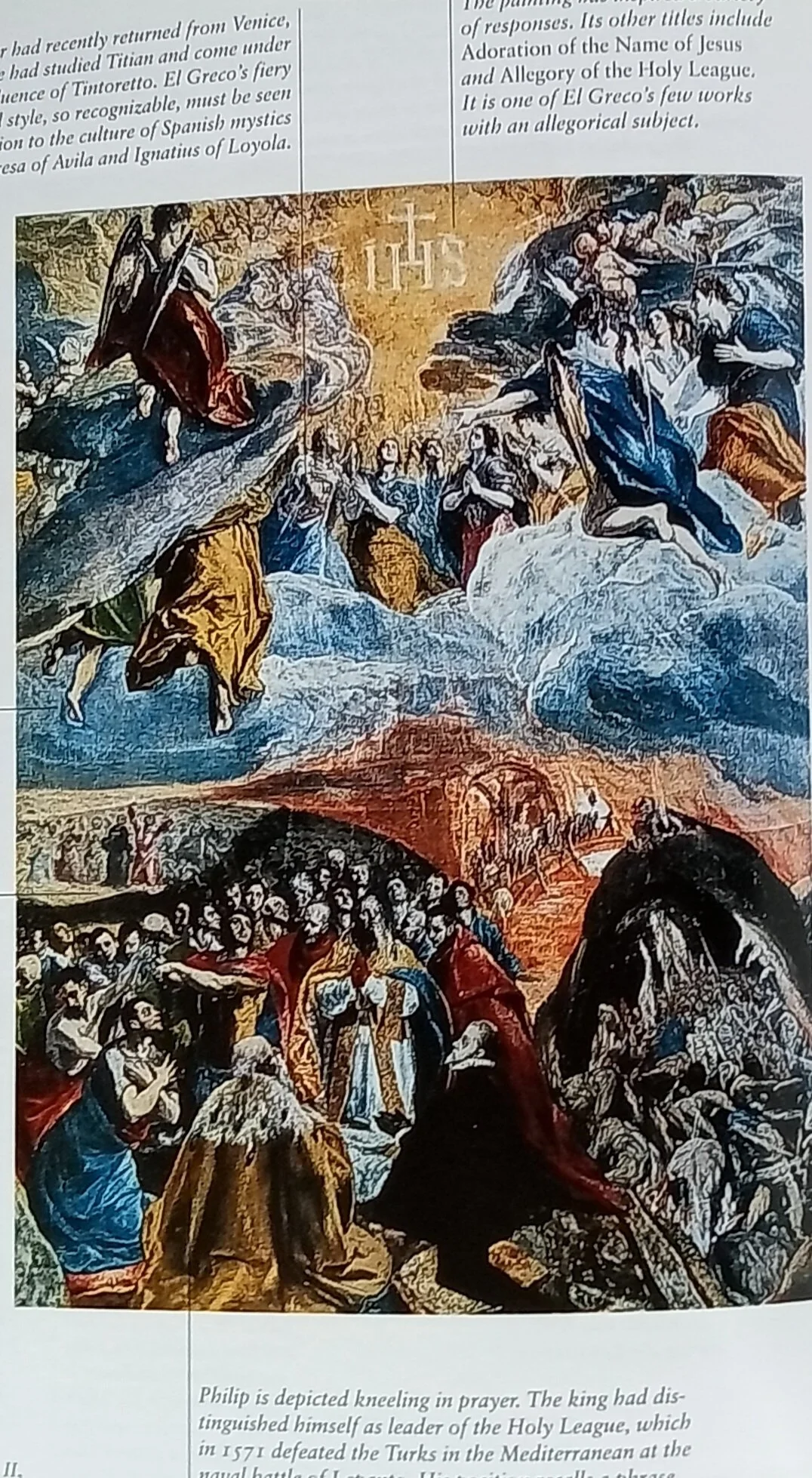 Image 14 of 27
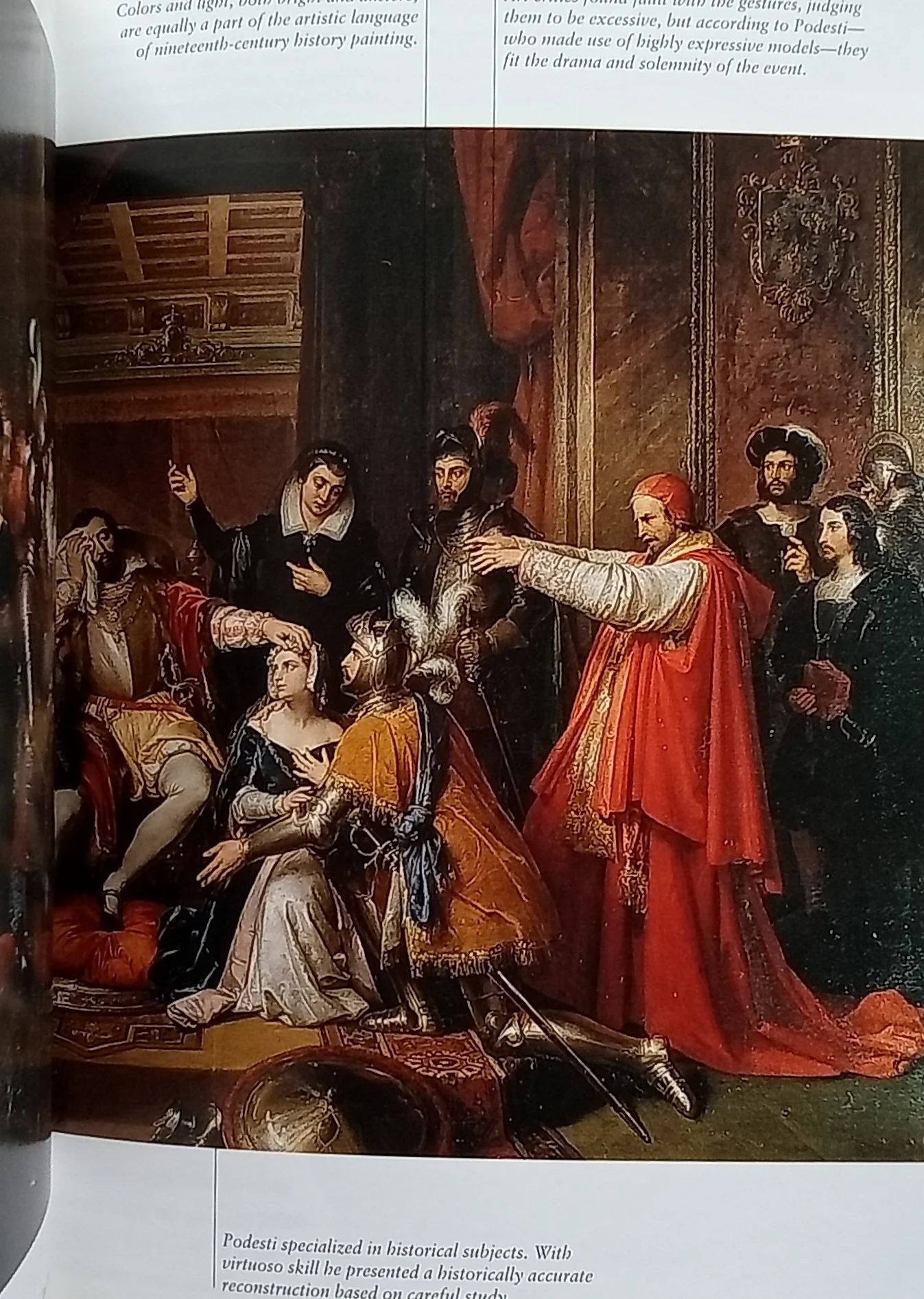 Image 15 of 27
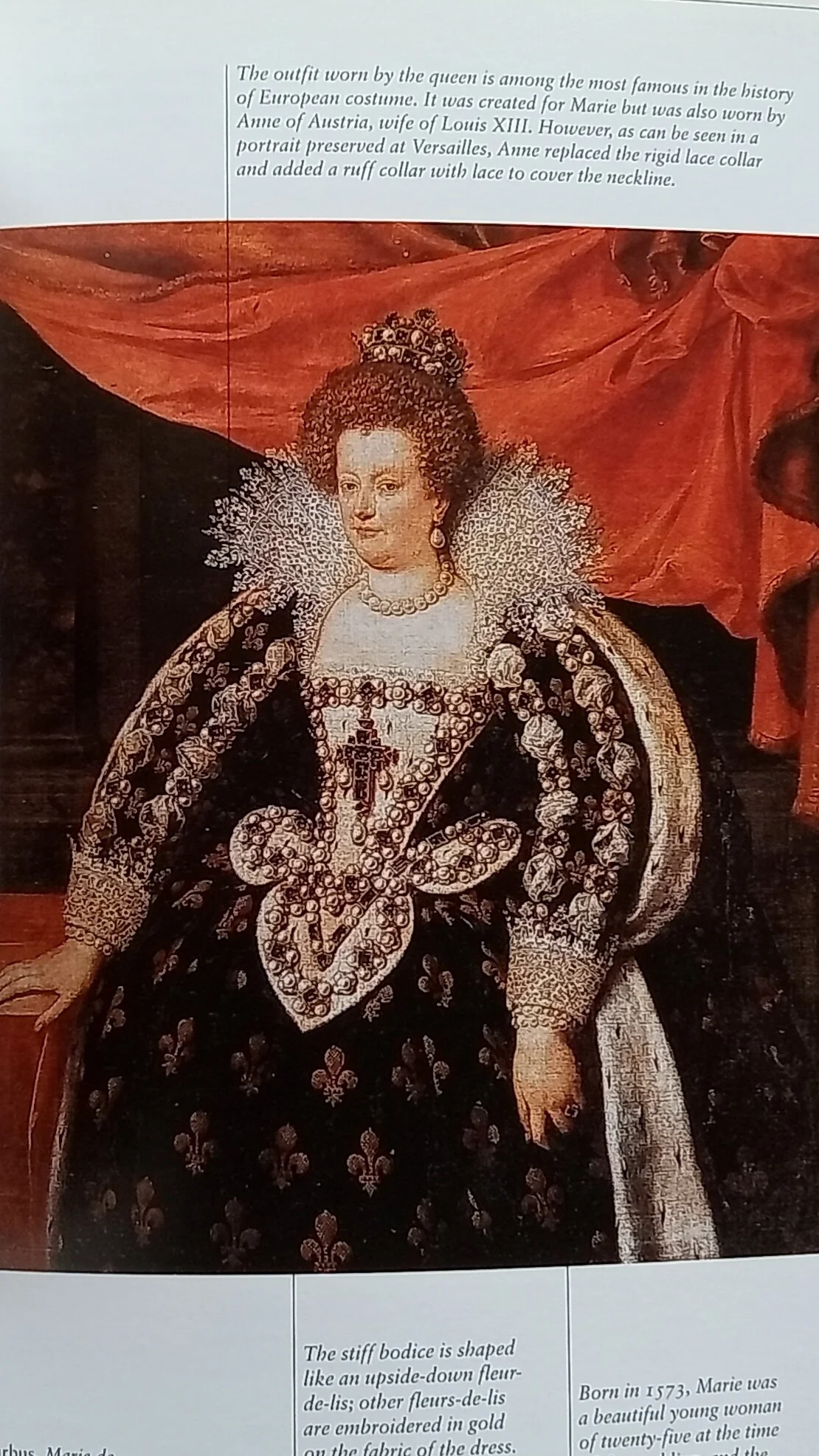 Image 16 of 27
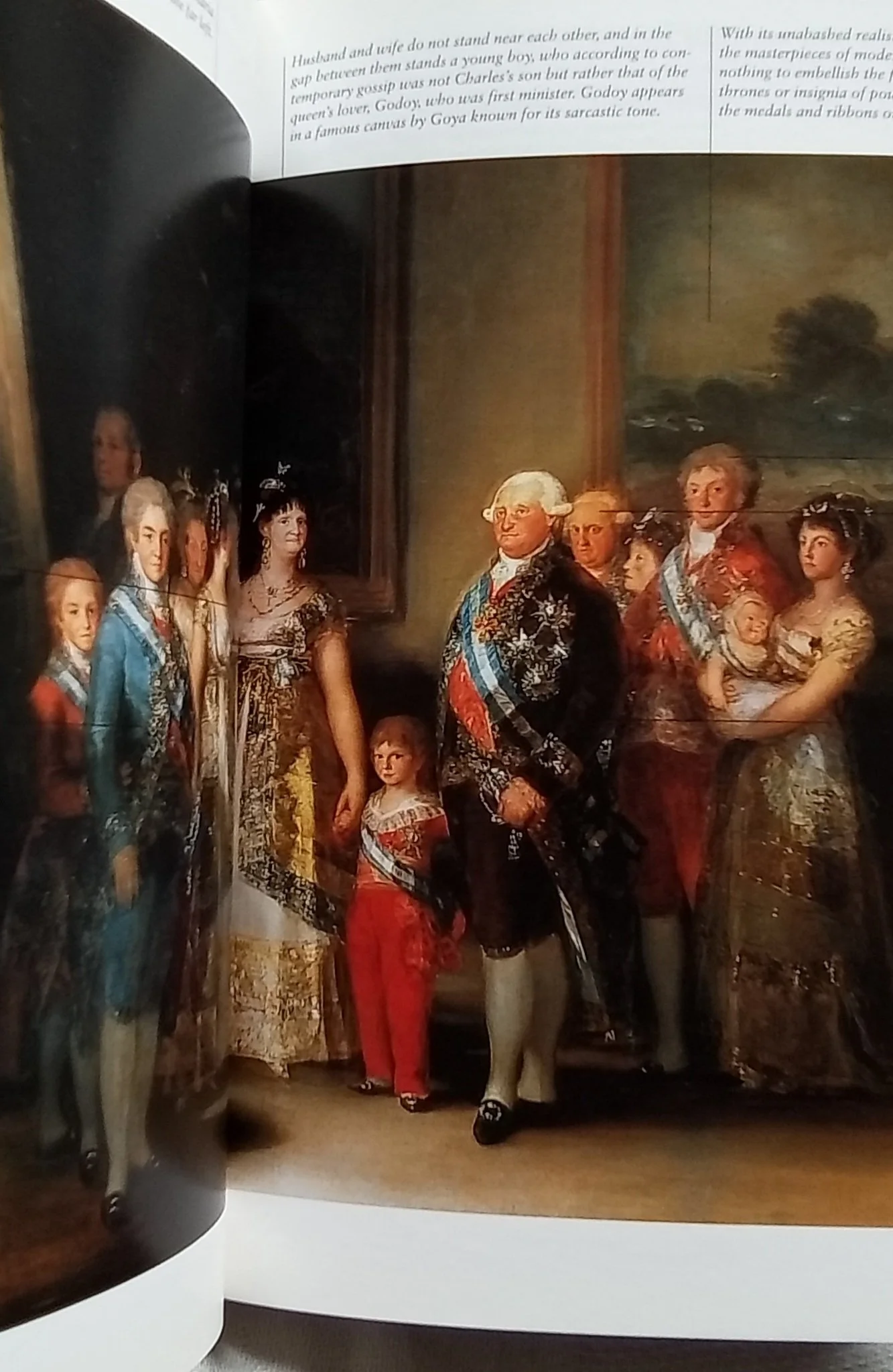 Image 17 of 27
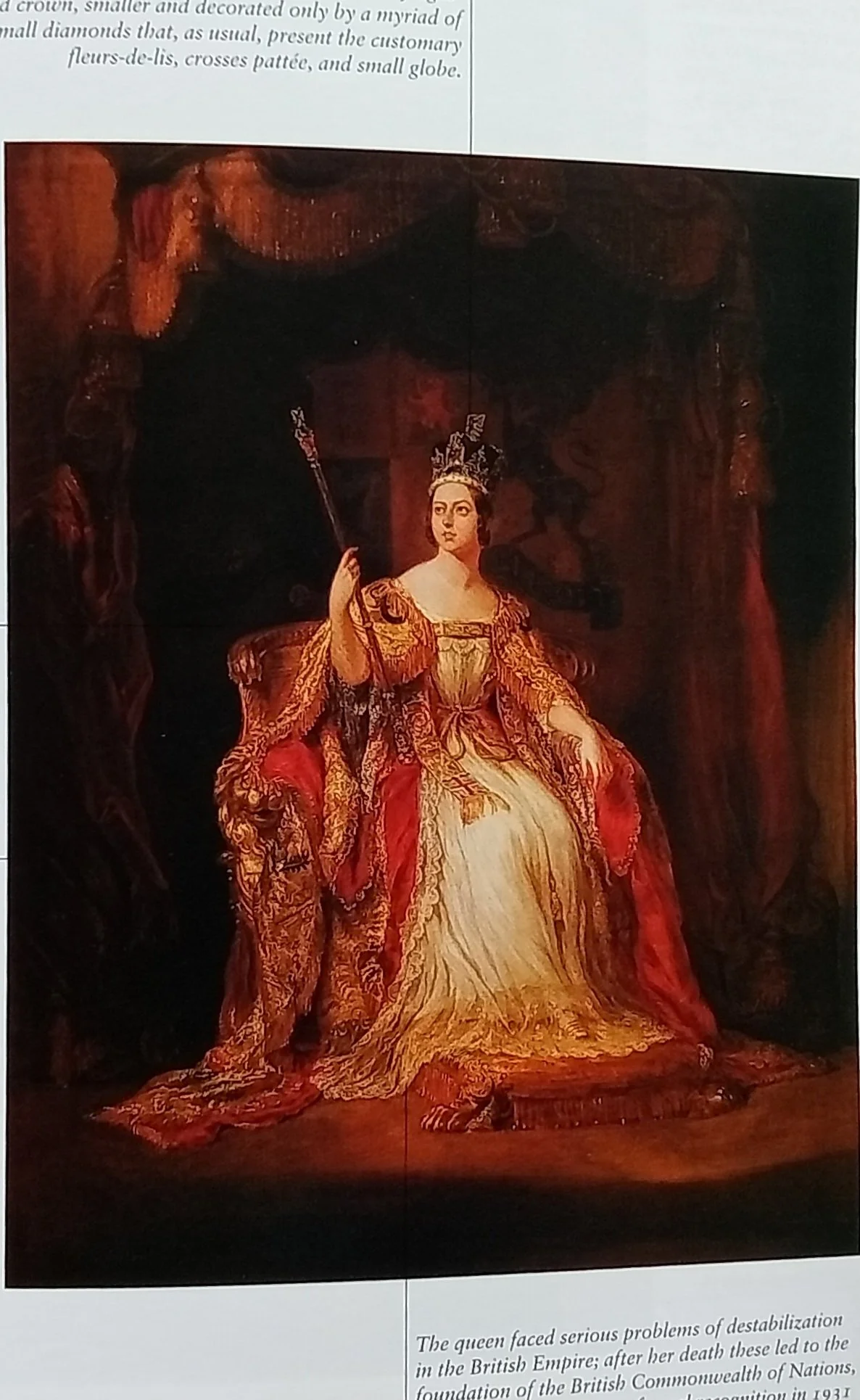 Image 18 of 27
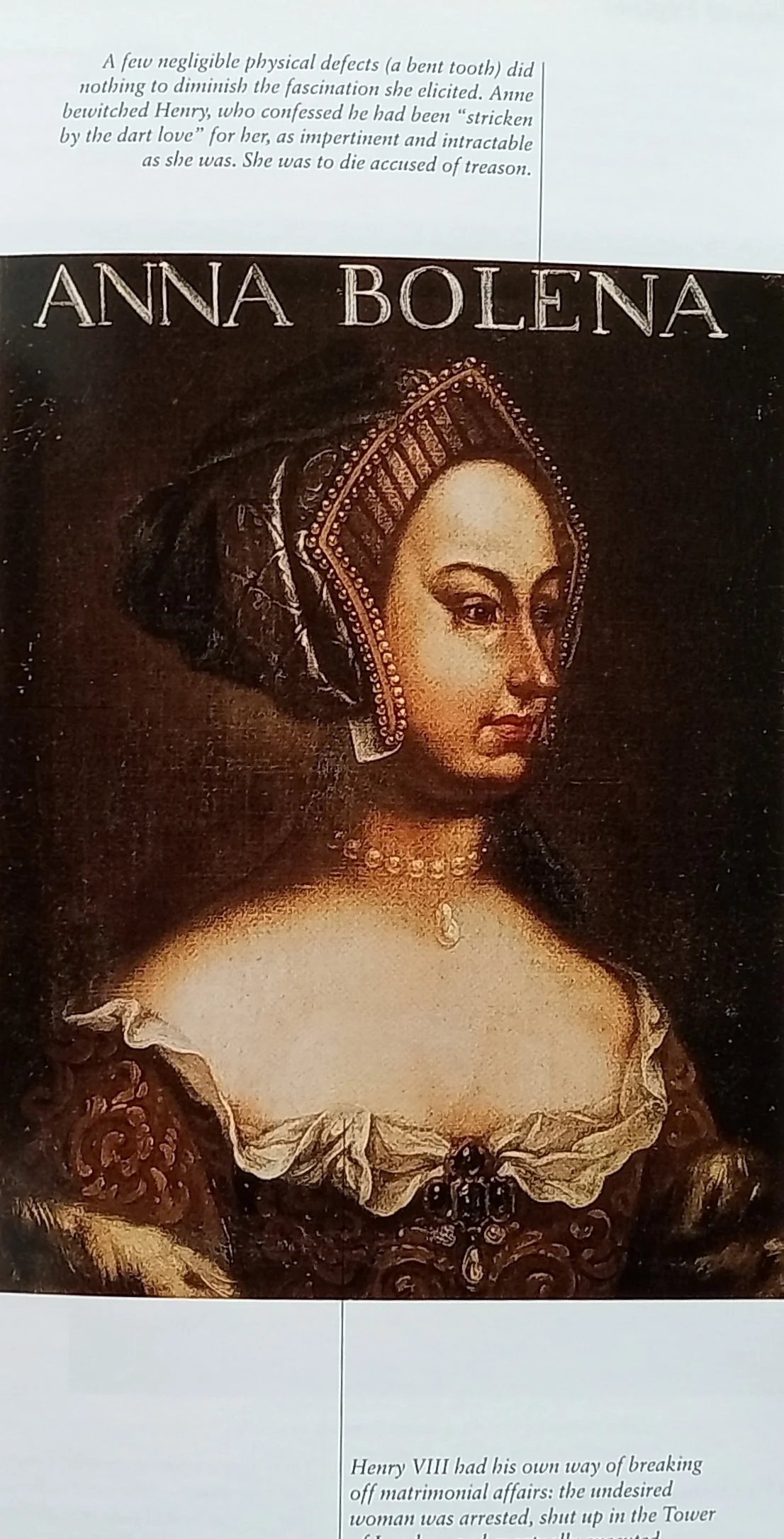 Image 19 of 27
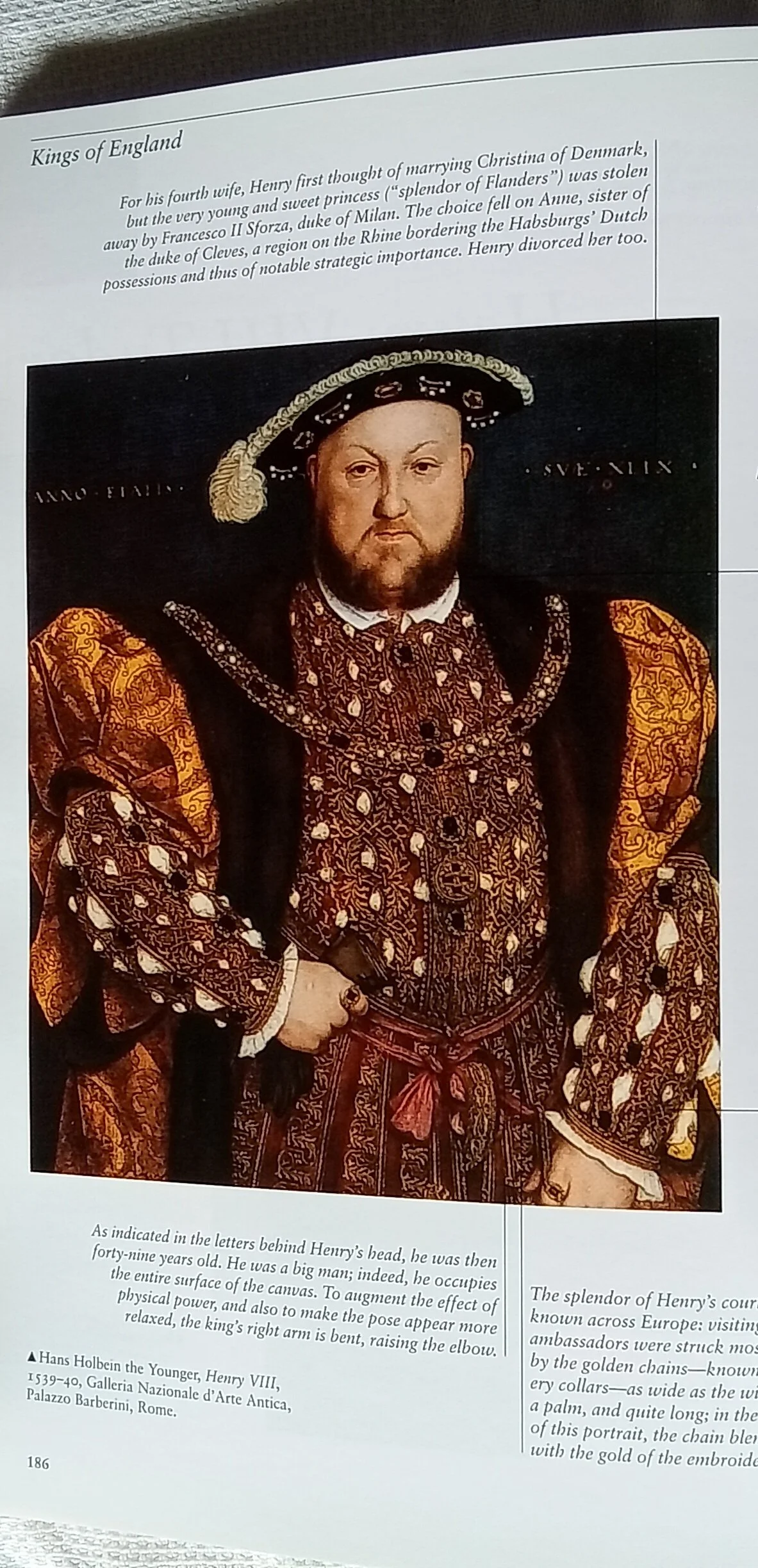 Image 20 of 27
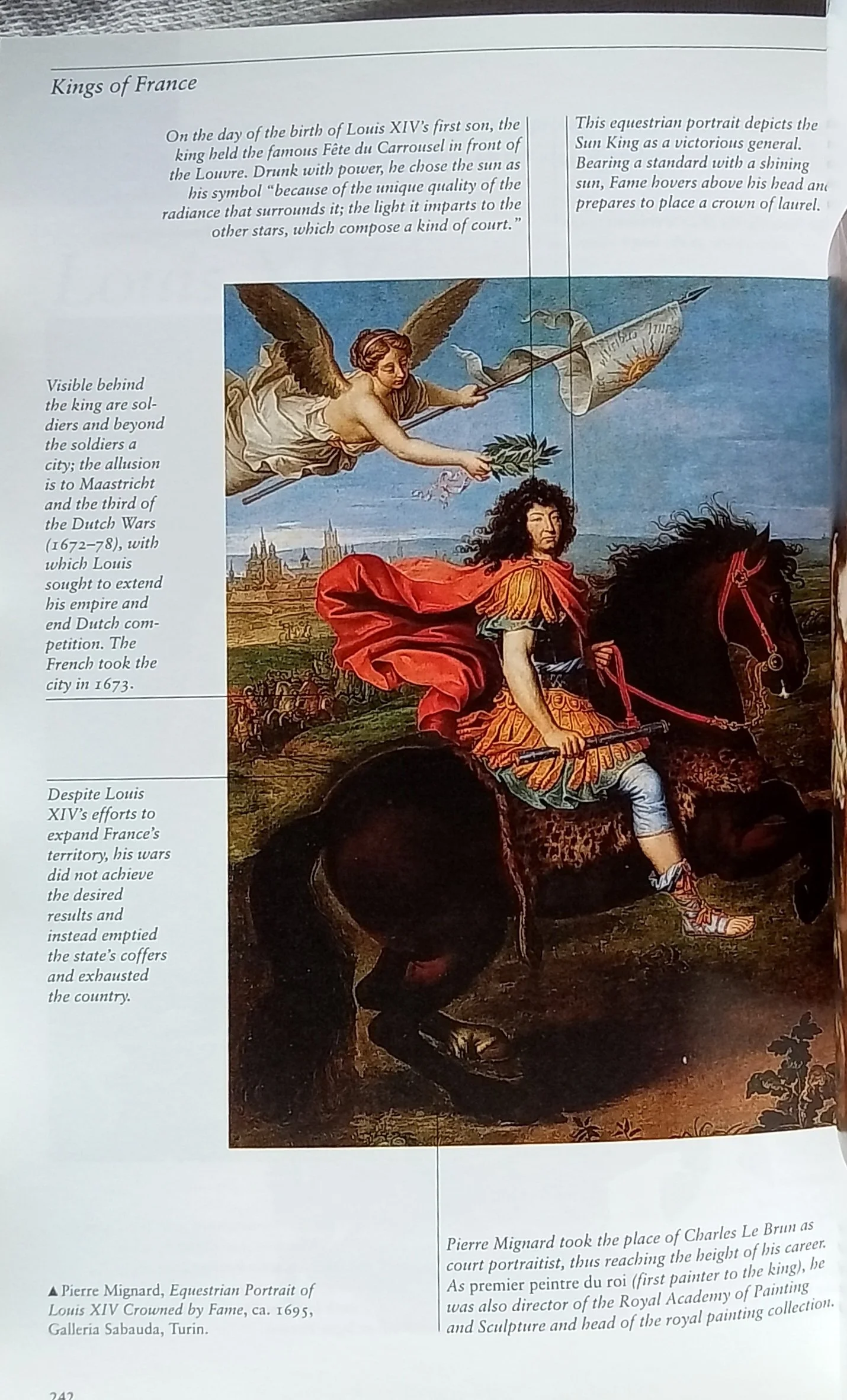 Image 21 of 27
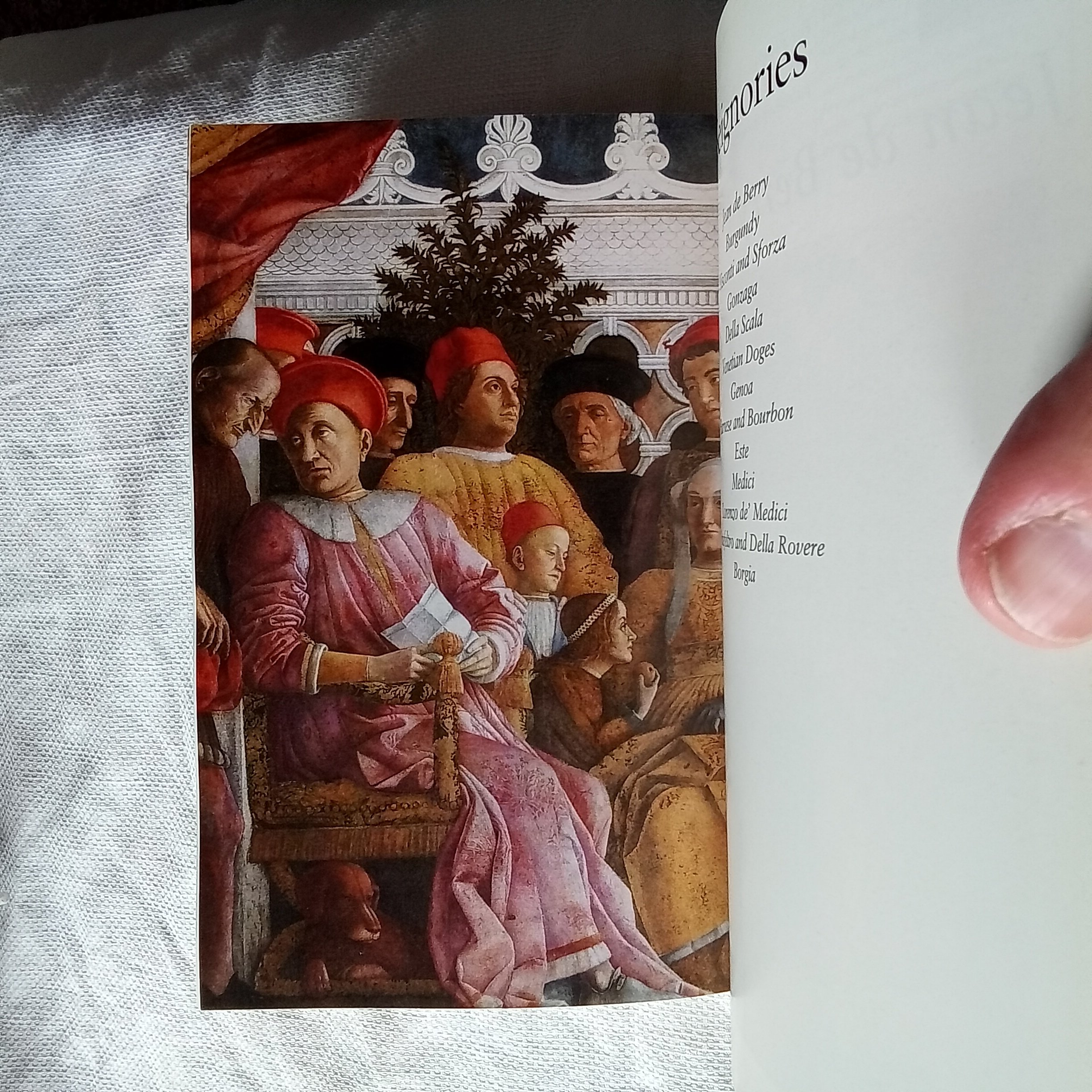 Image 22 of 27
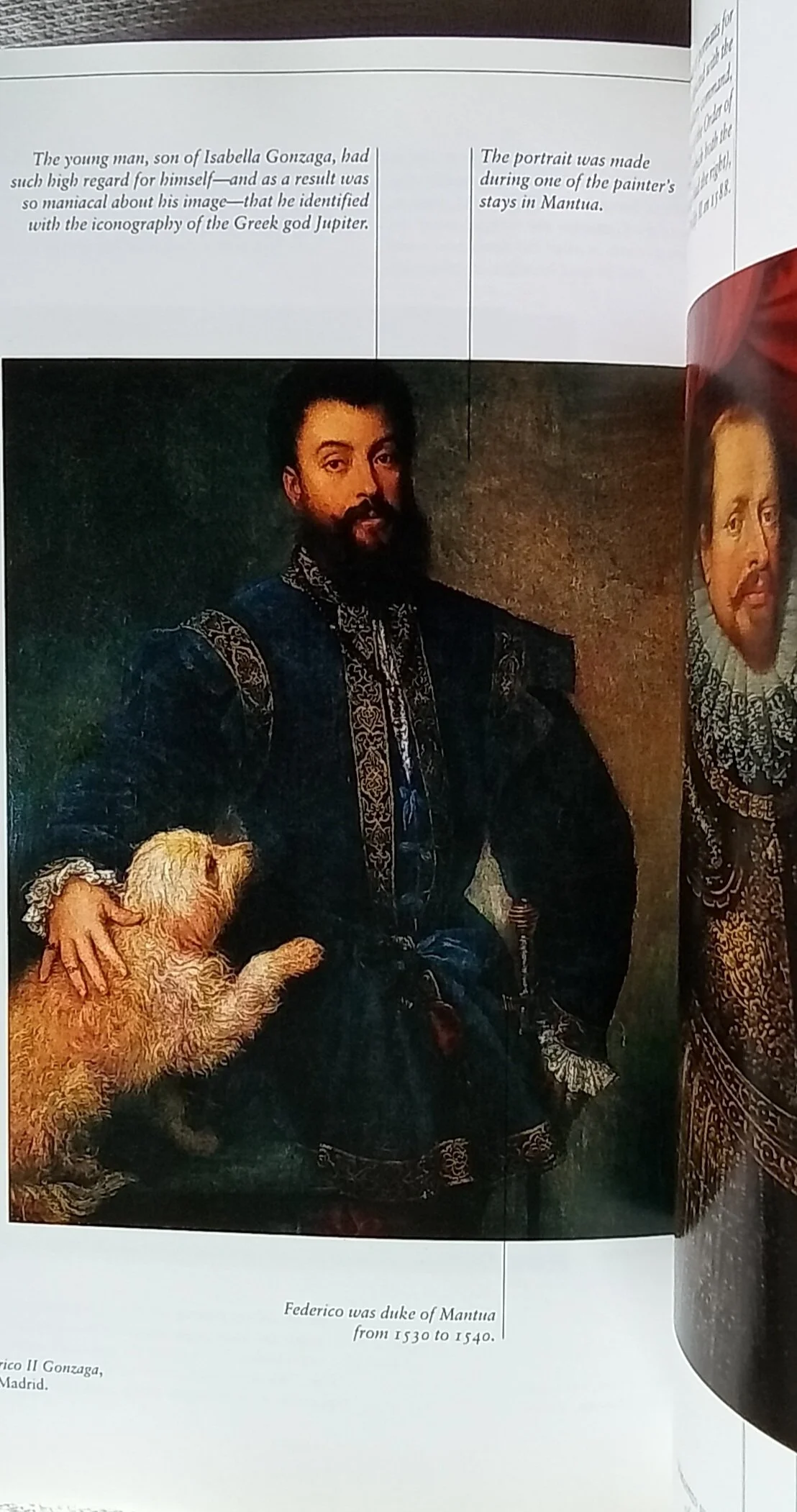 Image 23 of 27
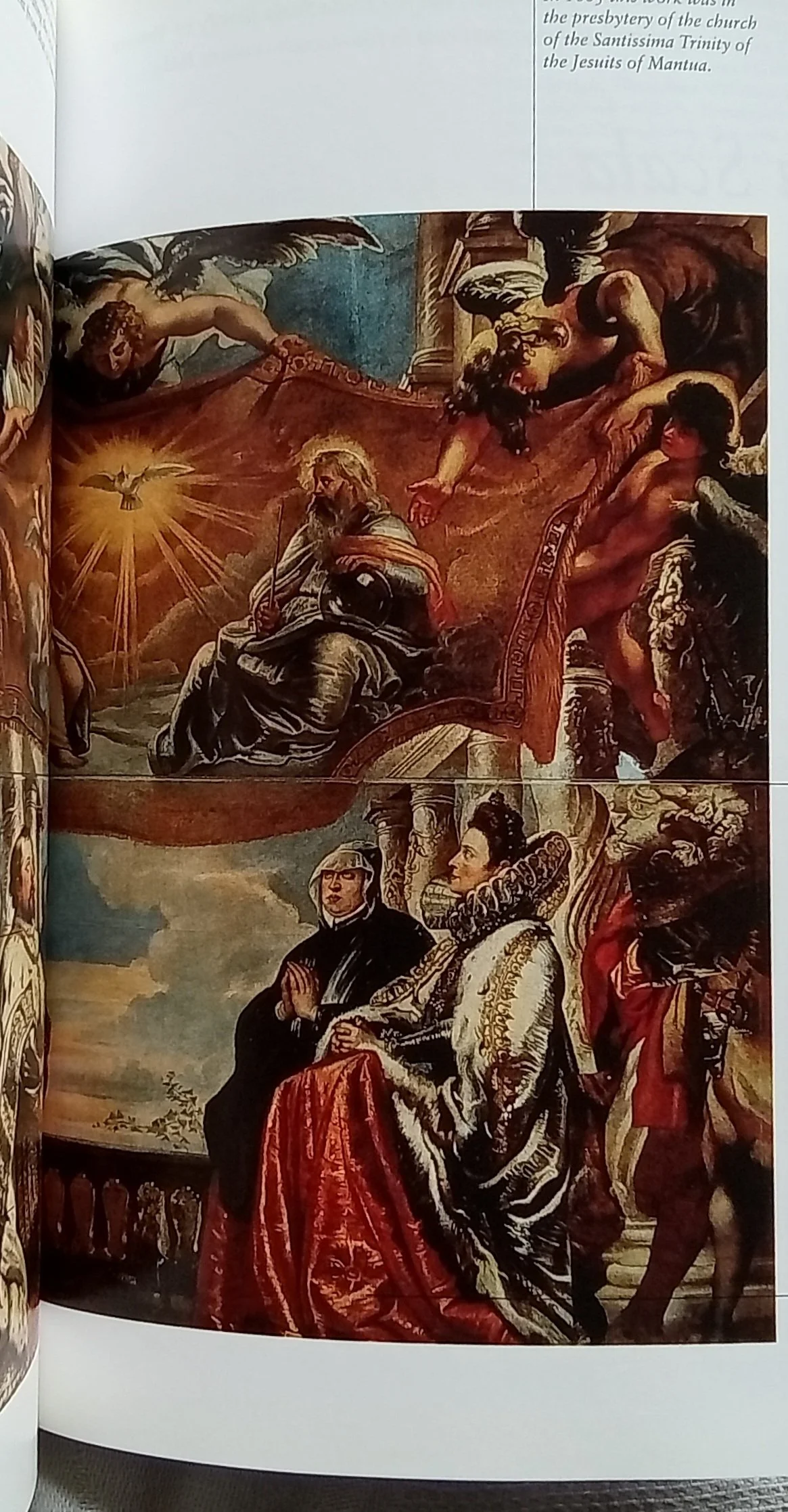 Image 24 of 27
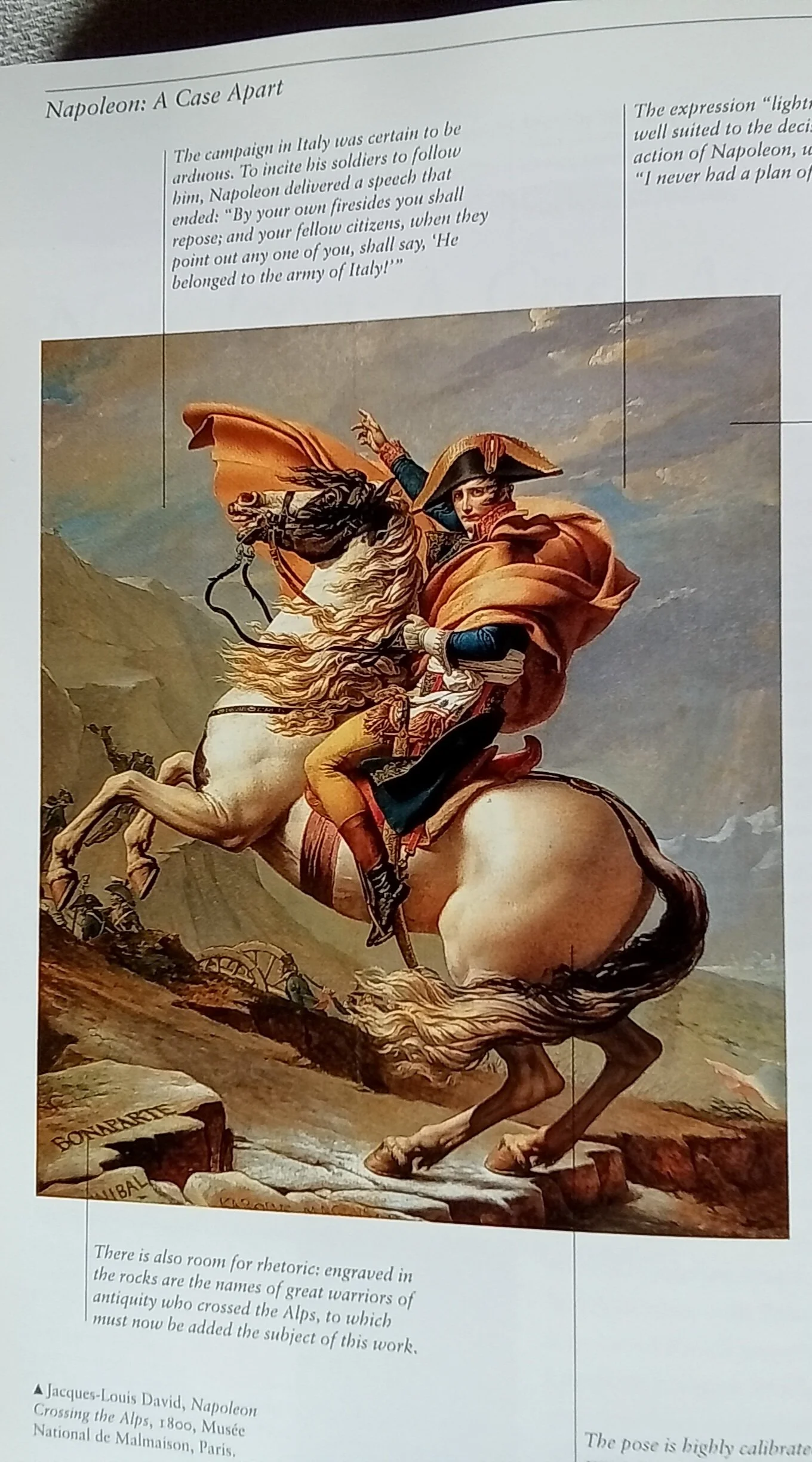 Image 25 of 27
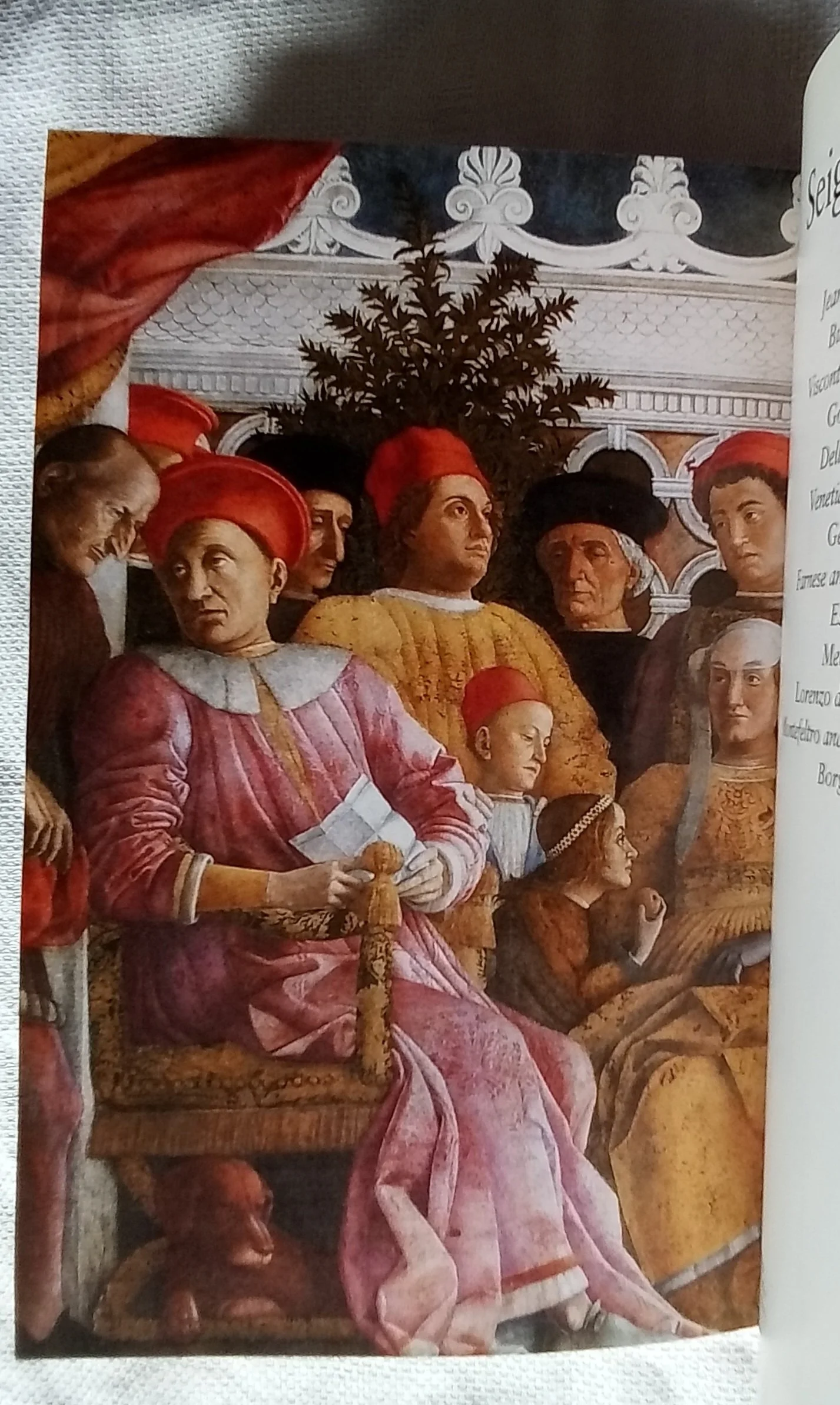 Image 26 of 27
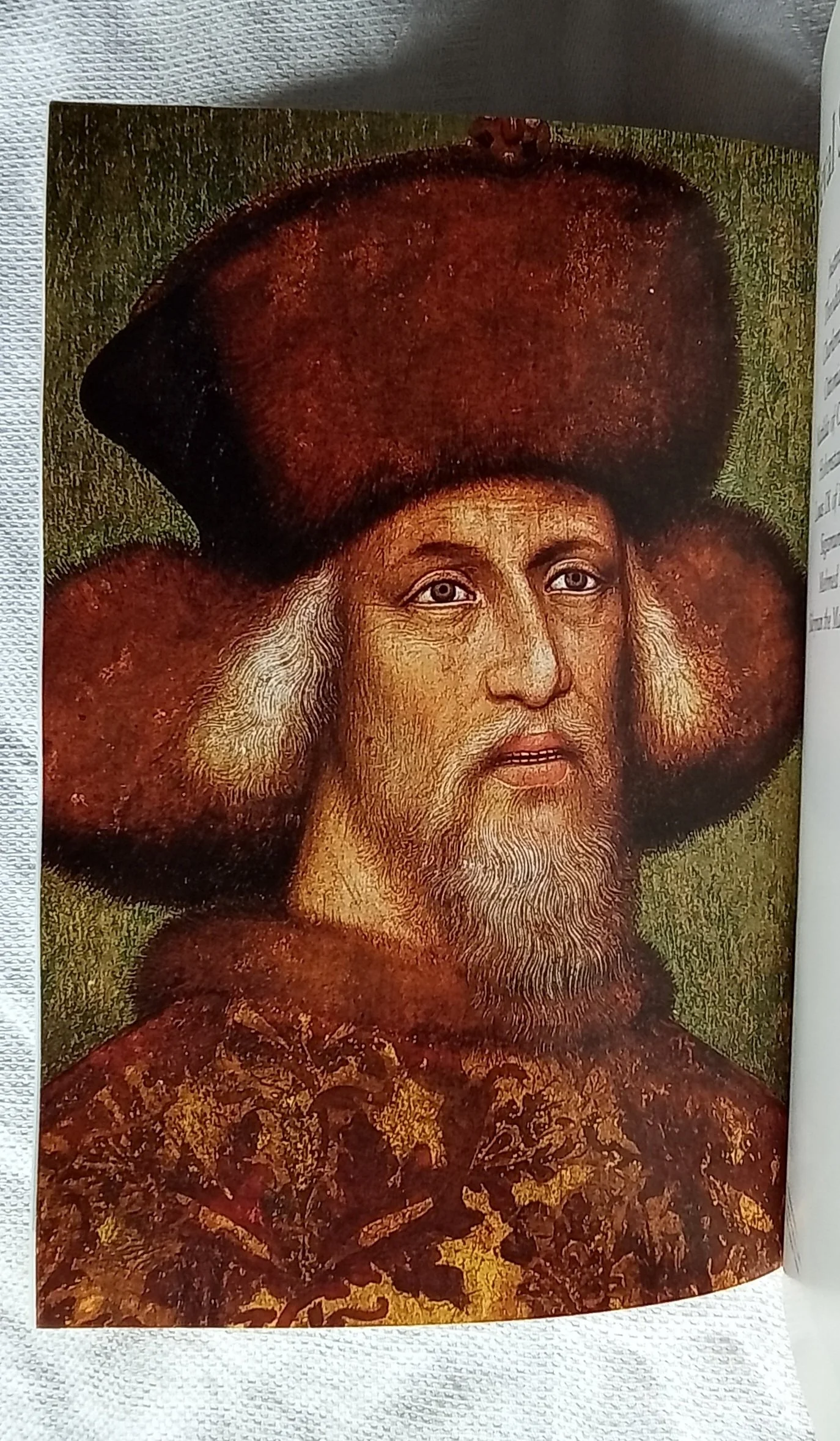 Image 27 of 27