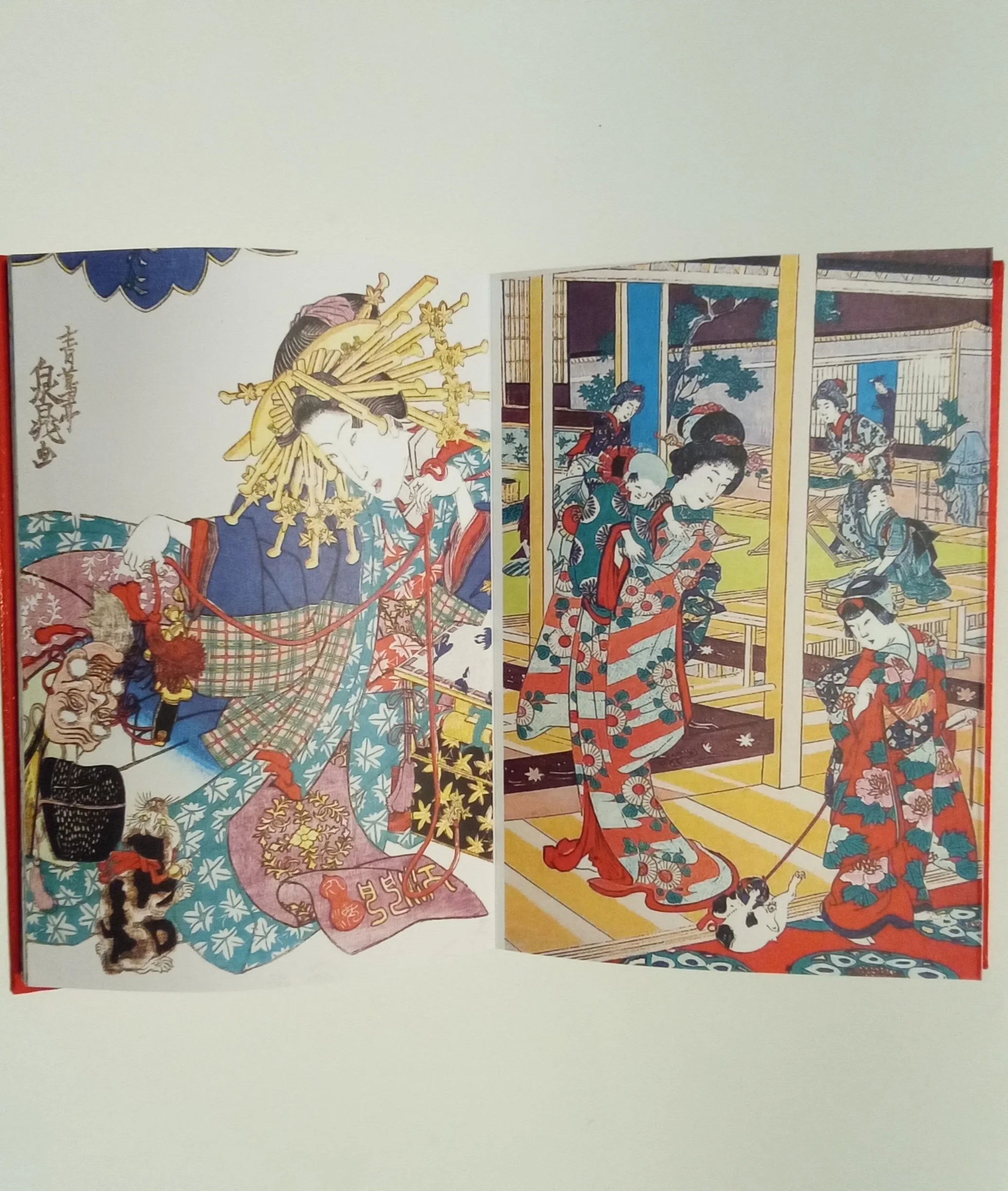
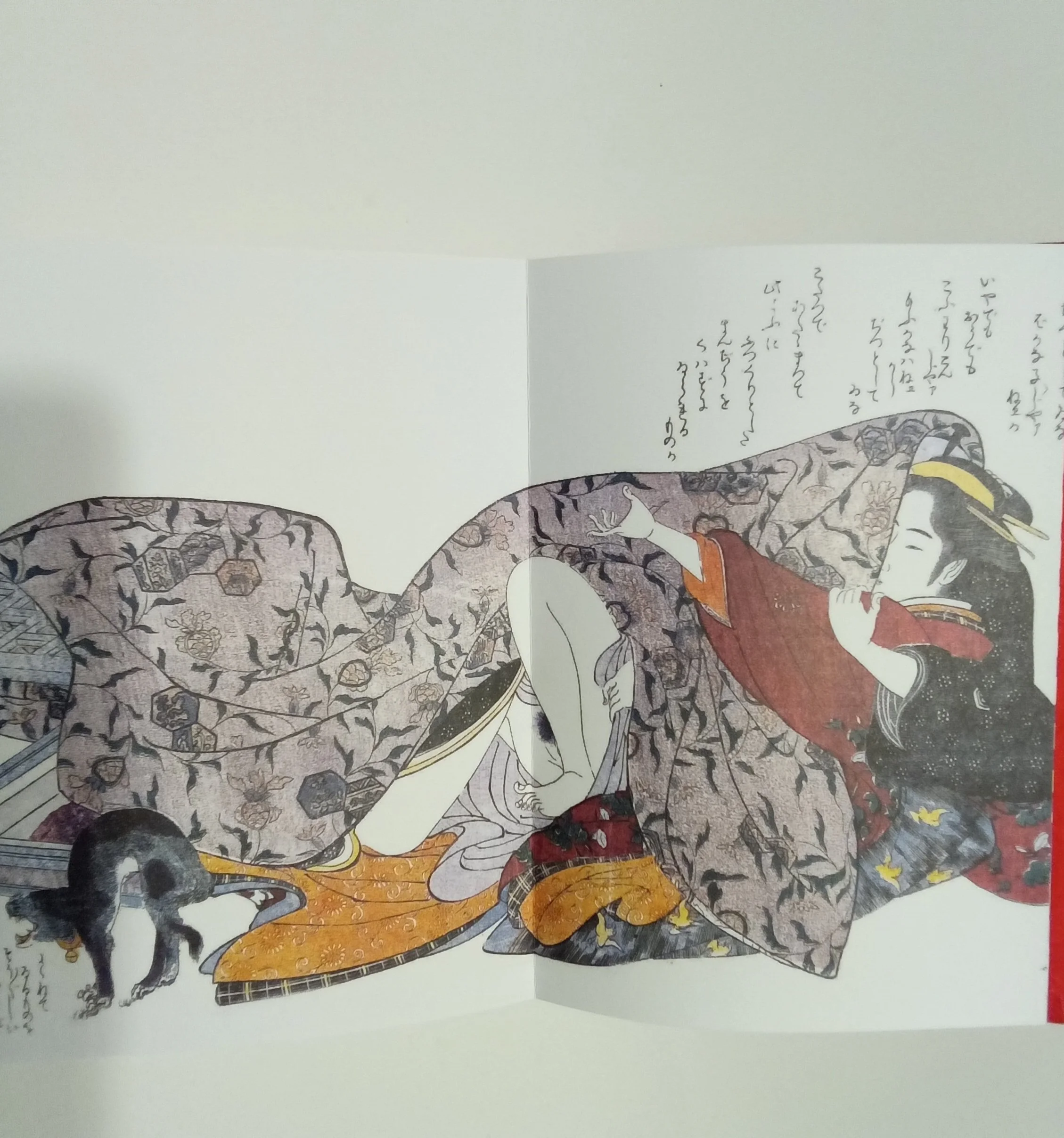
Sumi-e: The Iconography of Japan Paperback
216pgs 6x8”, $40
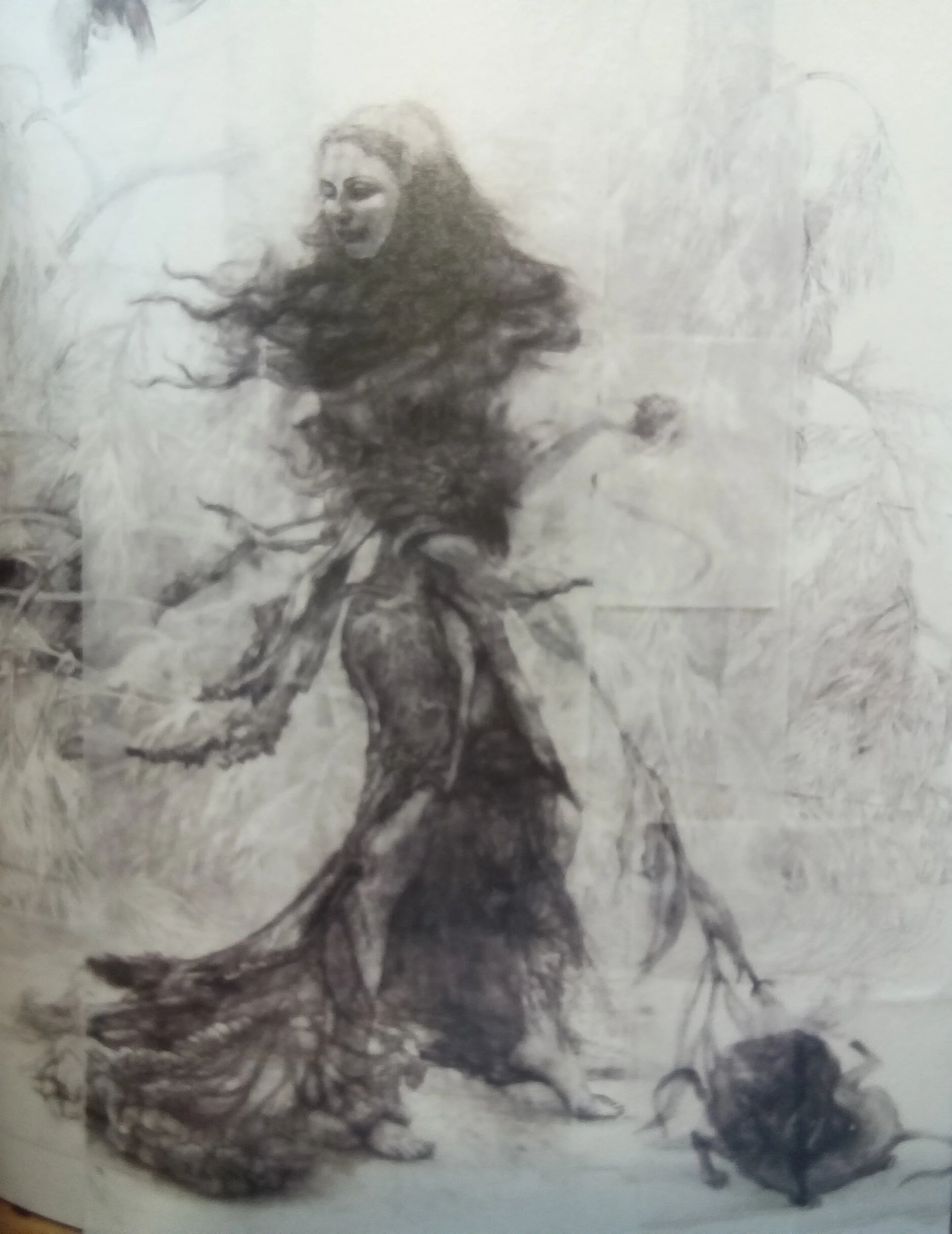
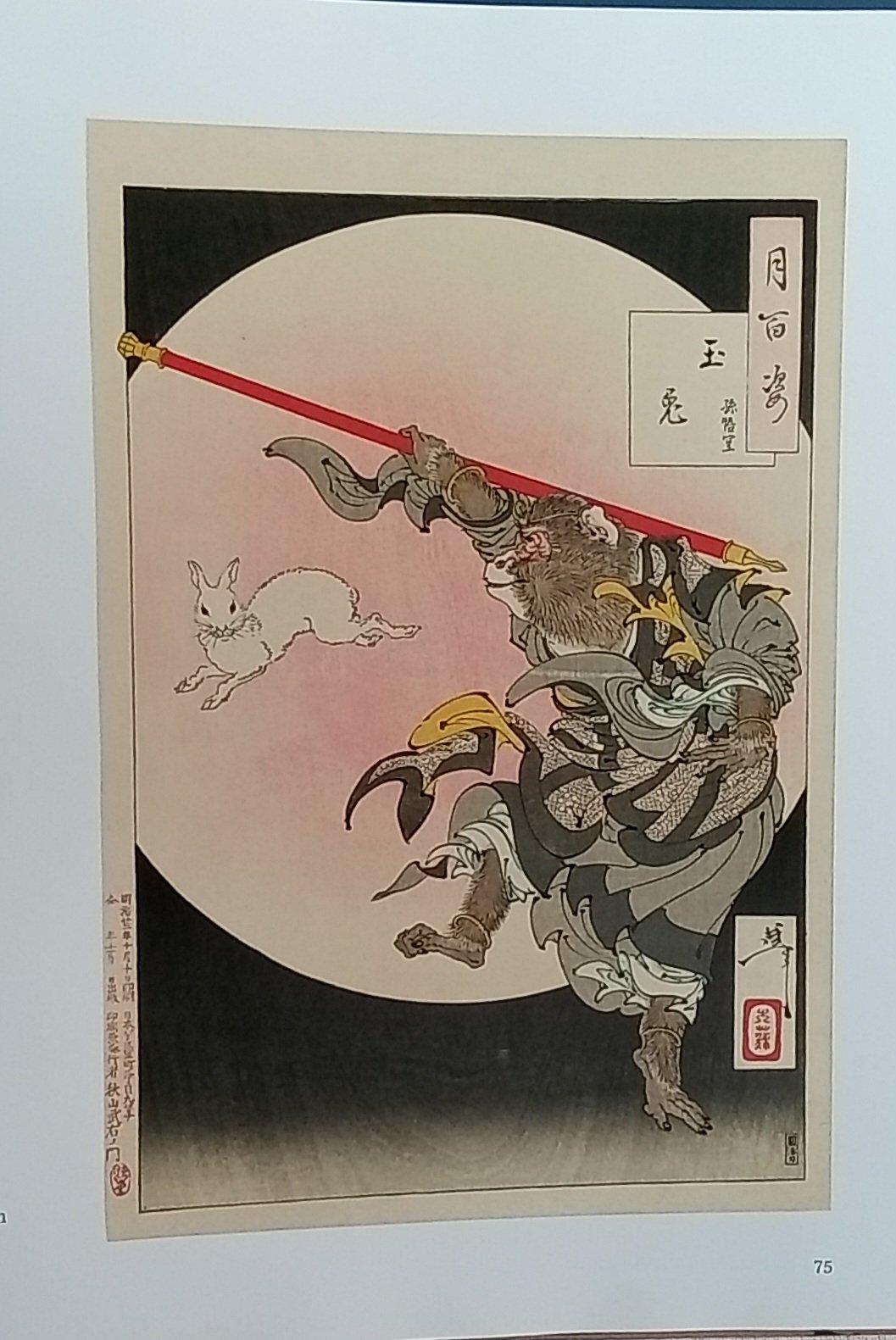
The pinnacle of Japanese sumi-e painting, from great masters such as Sesshū and Tohaku to fantastical painters such as Shoūhaku and Jakuchū.
Sumi-e ink painting is a uniquely Eastern form of painting that originated and developed in China in the 9th century. This book introduces the history of sumi-e painting over a period of approximately 500 years, beginning with the Kamakura and Namboku-cho periods when the form was first being adopted in Japan , and then the Muromachi period when Sesshū and Shūbun were active, and finally the Momoyama and Edo periods when Japanese influences led to the creation of unique works.
This book introduces five centuries of ink wash painting through these works, exploring the distinctive qualities of Japanese ink wash painting and considering the role it has played in the history of art in Japan and its significance in the history of Japanese culture.
―From the Introduction
【Featured Sumi-e Artist/Keyword List】
Sesshū Tōyō / Sesson Shūkei / Hasegawa Tōhaku / Kaihō Yūshō / Kanō Motonobu / Kanō Eitoku / Unkoku Tōgan / Hon’ami Kōetsu / Miyamoto Musashi / Kanō Sansetsu / Kanō Tanʼyū / Kusumi Morikage / Tawaraya Sōtatsu / Ogata Kōrin / Hakuin Ekaku / Sengai Gibon / Fūgai Ekun / Ōtsu-e / Soga Shōhaku / Itō Jakuchū / Maruyama Ōkyo / Ike no Taiga / Yosa Buson / Katsu Jagyoku / Gessen / Uragami Gyokudō / Mori Sosen / Mori Tetsuzan / Goshun (Matsumura Gekkei) / Nagasawa Rosetsu / Sakai Hōitsu / Tani Bunchō / Tanomura Chikuden / Yamoto Baiitsu / Sugai Baikan / Watanabe Kazan / Kawanabe Kyōsai / Tomioka Tessai / Yokoyama Taikan
Sumi-e: The Iconography of Japan Paperback
216pgs 6x8”, $40
The pinnacle of Japanese sumi-e painting, from great masters such as Sesshū and Tohaku to fantastical painters such as Shoūhaku and Jakuchū.
Sumi-e ink painting is a uniquely Eastern form of painting that originated and developed in China in the 9th century. This book introduces the history of sumi-e painting over a period of approximately 500 years, beginning with the Kamakura and Namboku-cho periods when the form was first being adopted in Japan , and then the Muromachi period when Sesshū and Shūbun were active, and finally the Momoyama and Edo periods when Japanese influences led to the creation of unique works.
This book introduces five centuries of ink wash painting through these works, exploring the distinctive qualities of Japanese ink wash painting and considering the role it has played in the history of art in Japan and its significance in the history of Japanese culture.
―From the Introduction
【Featured Sumi-e Artist/Keyword List】
Sesshū Tōyō / Sesson Shūkei / Hasegawa Tōhaku / Kaihō Yūshō / Kanō Motonobu / Kanō Eitoku / Unkoku Tōgan / Hon’ami Kōetsu / Miyamoto Musashi / Kanō Sansetsu / Kanō Tanʼyū / Kusumi Morikage / Tawaraya Sōtatsu / Ogata Kōrin / Hakuin Ekaku / Sengai Gibon / Fūgai Ekun / Ōtsu-e / Soga Shōhaku / Itō Jakuchū / Maruyama Ōkyo / Ike no Taiga / Yosa Buson / Katsu Jagyoku / Gessen / Uragami Gyokudō / Mori Sosen / Mori Tetsuzan / Goshun (Matsumura Gekkei) / Nagasawa Rosetsu / Sakai Hōitsu / Tani Bunchō / Tanomura Chikuden / Yamoto Baiitsu / Sugai Baikan / Watanabe Kazan / Kawanabe Kyōsai / Tomioka Tessai / Yokoyama Taikan


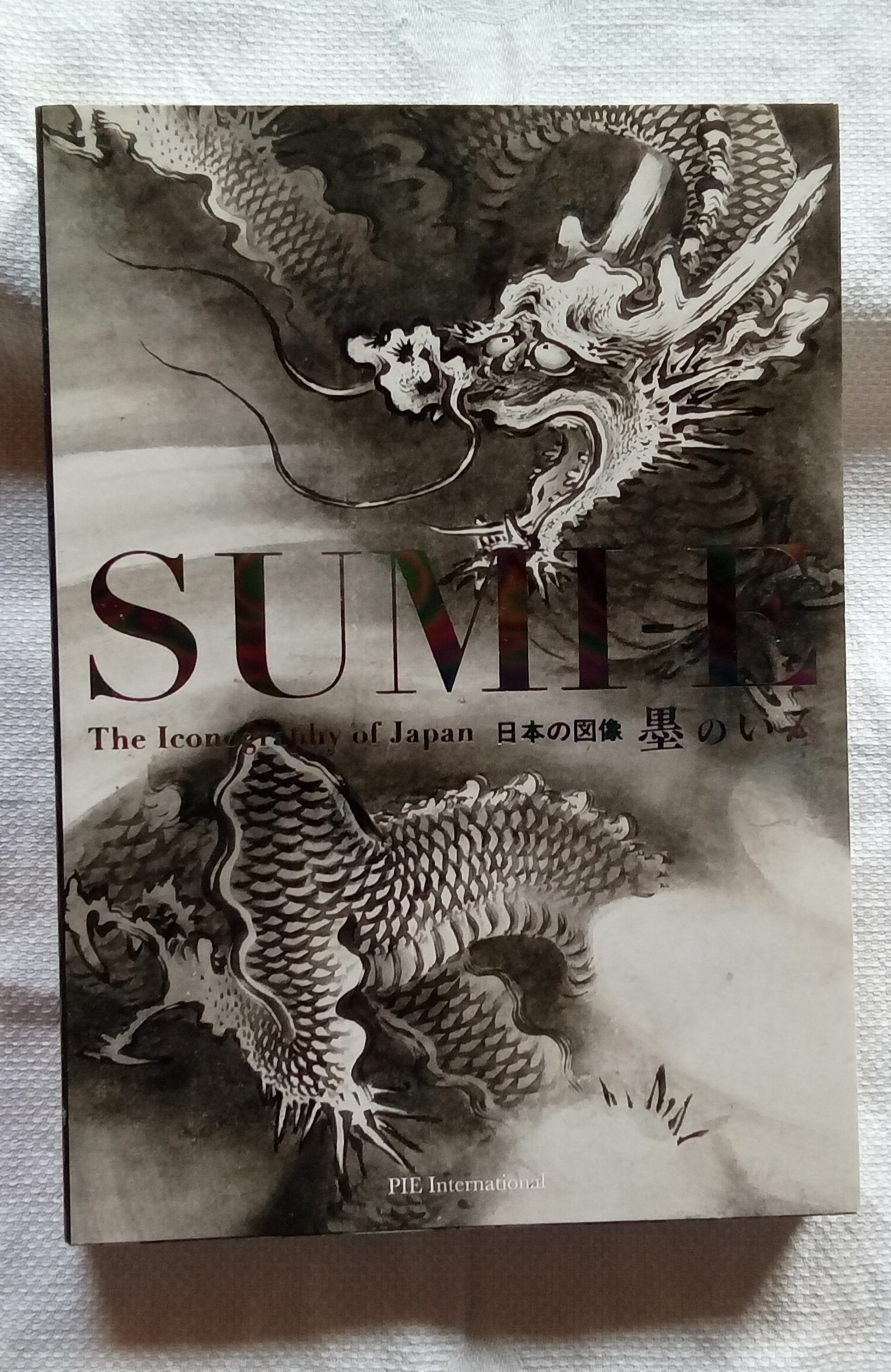 Image 1 of 18
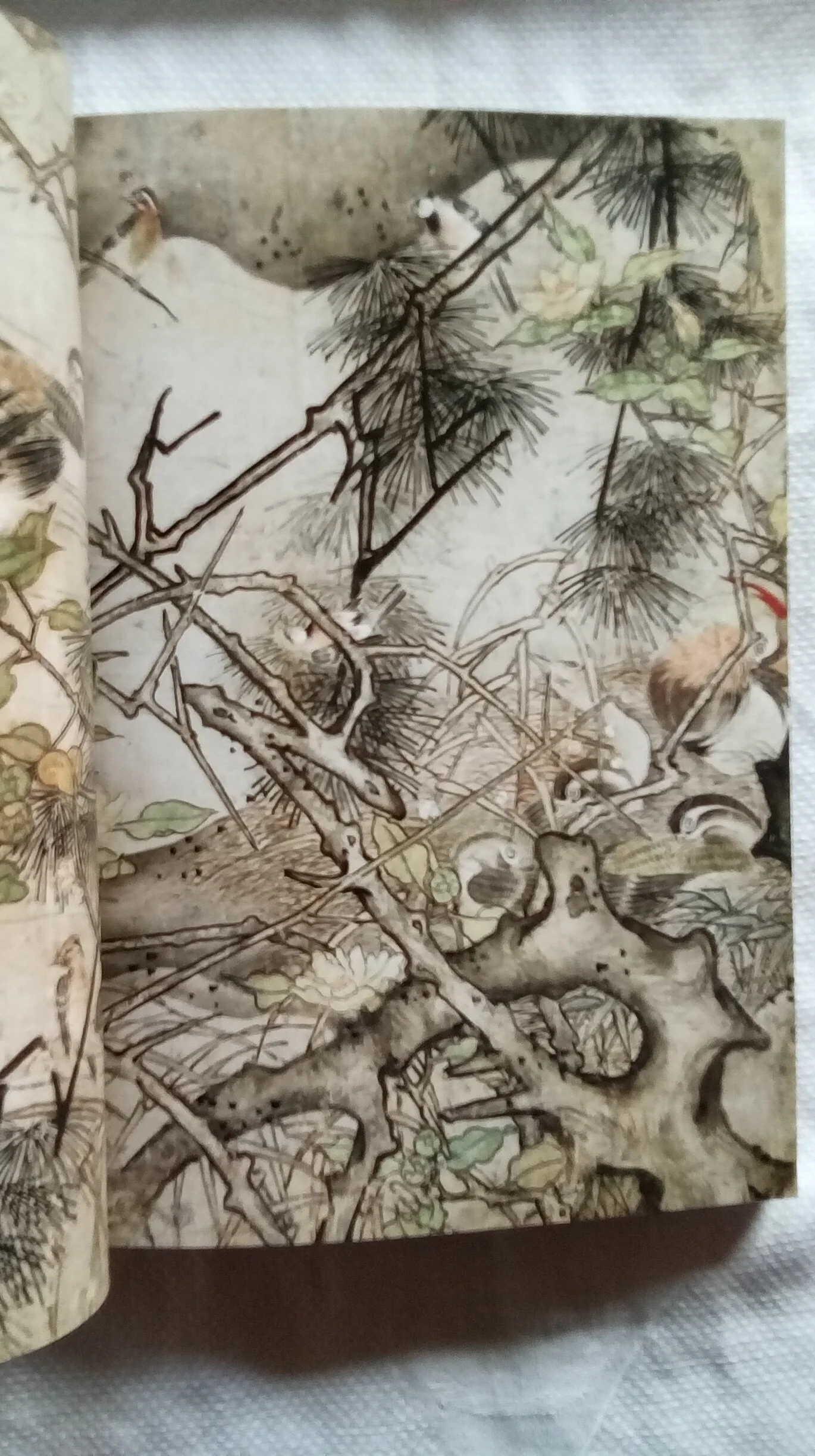 Image 2 of 18
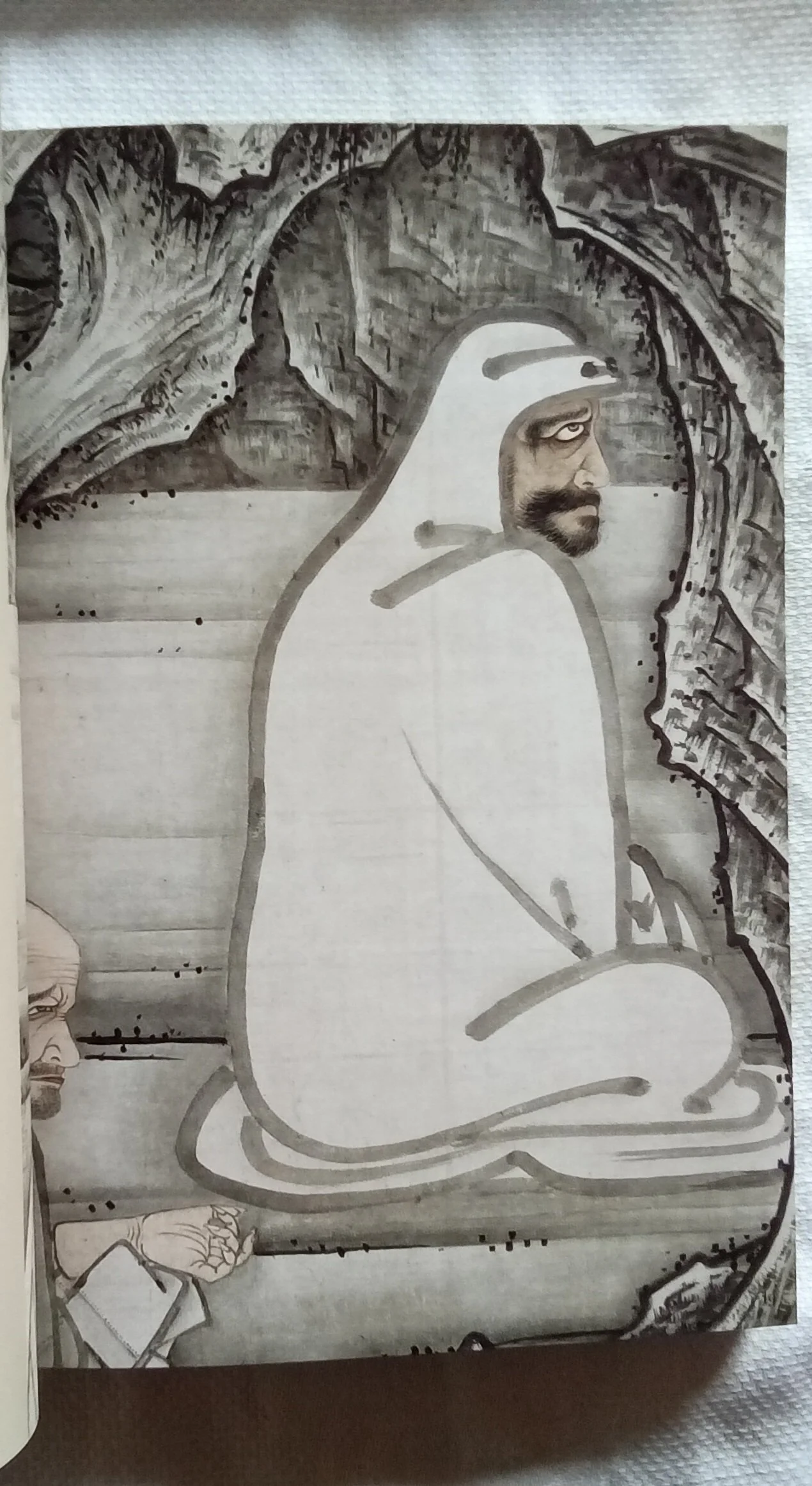 Image 3 of 18
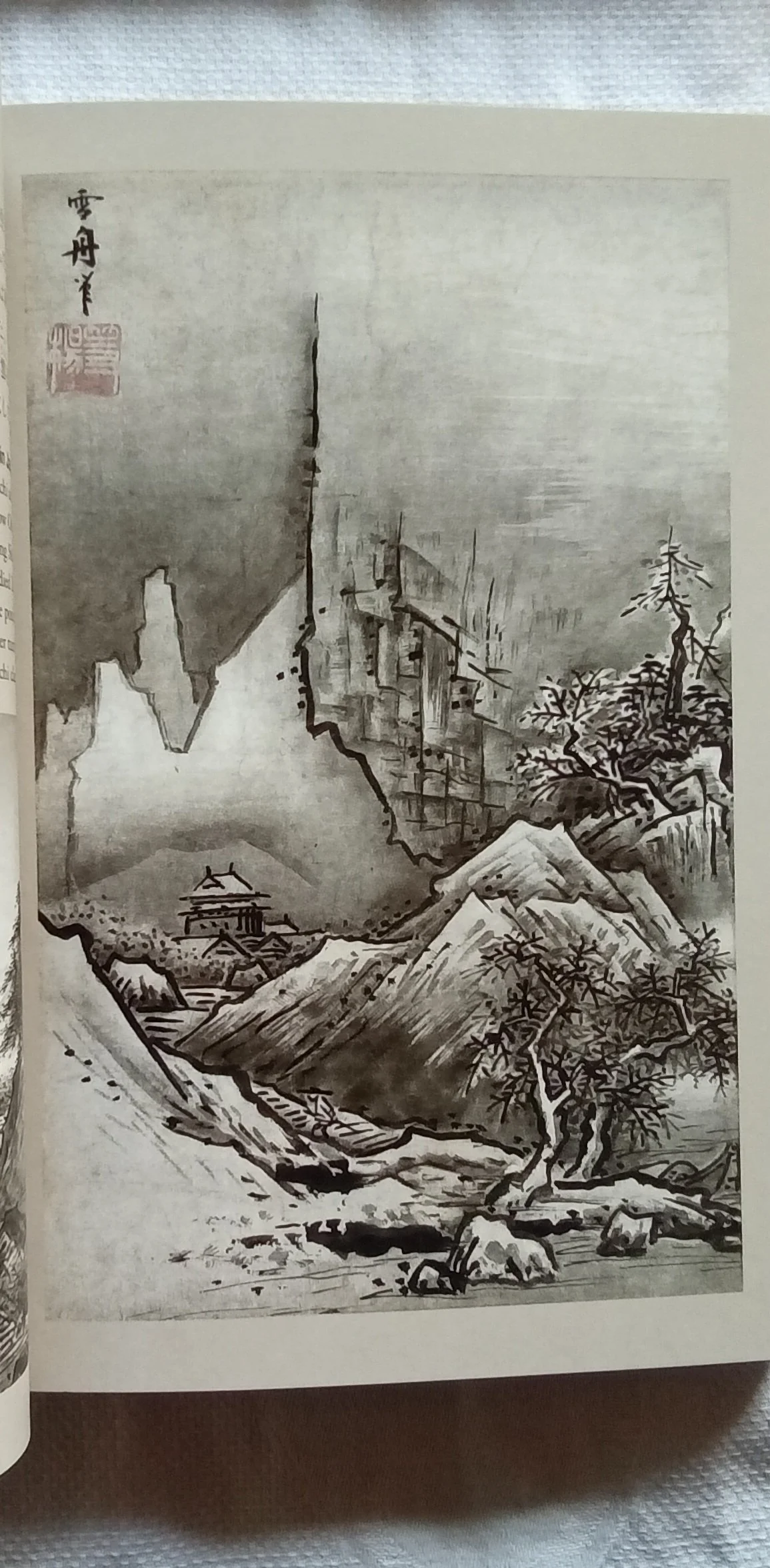 Image 4 of 18
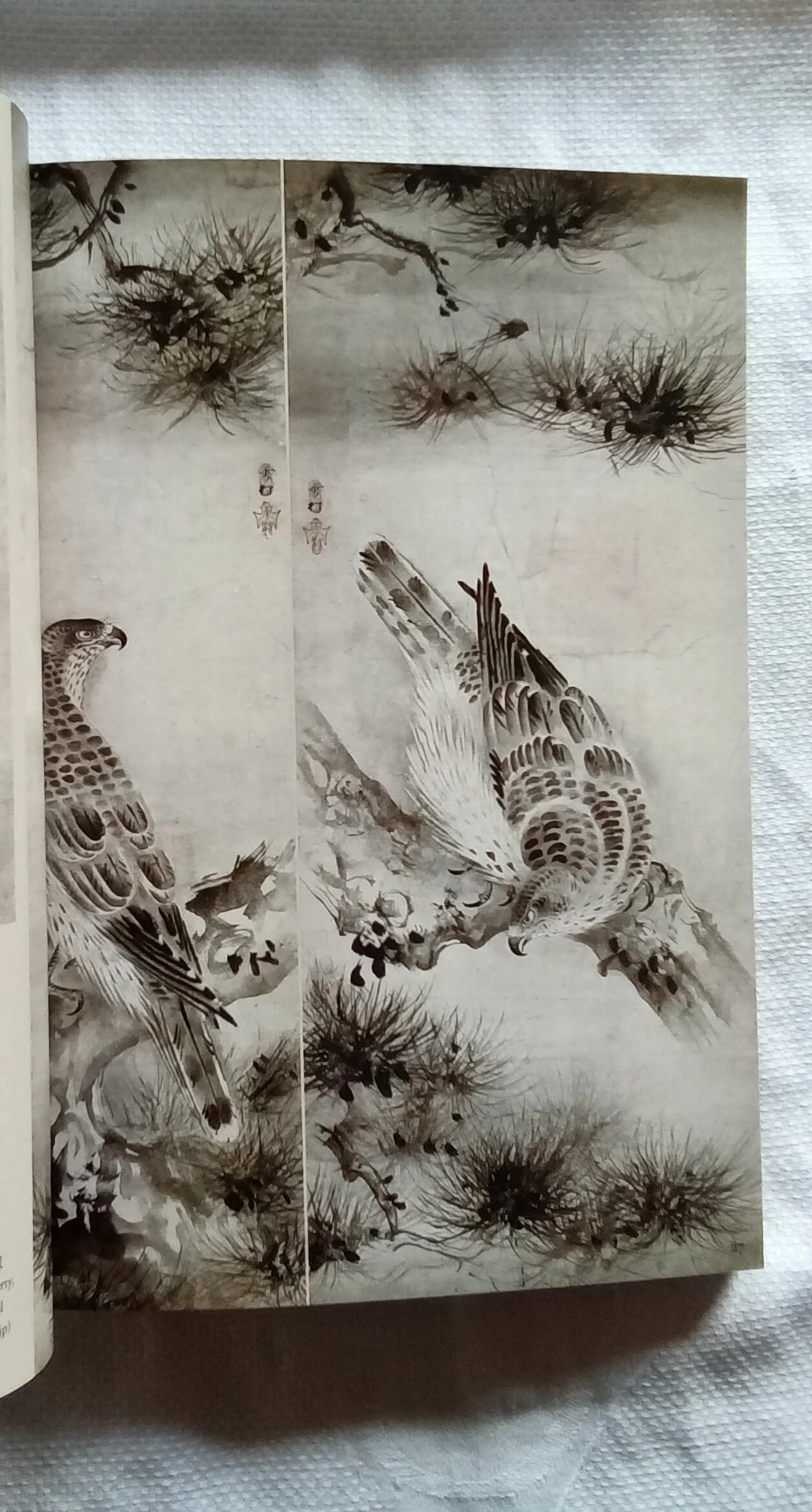 Image 5 of 18
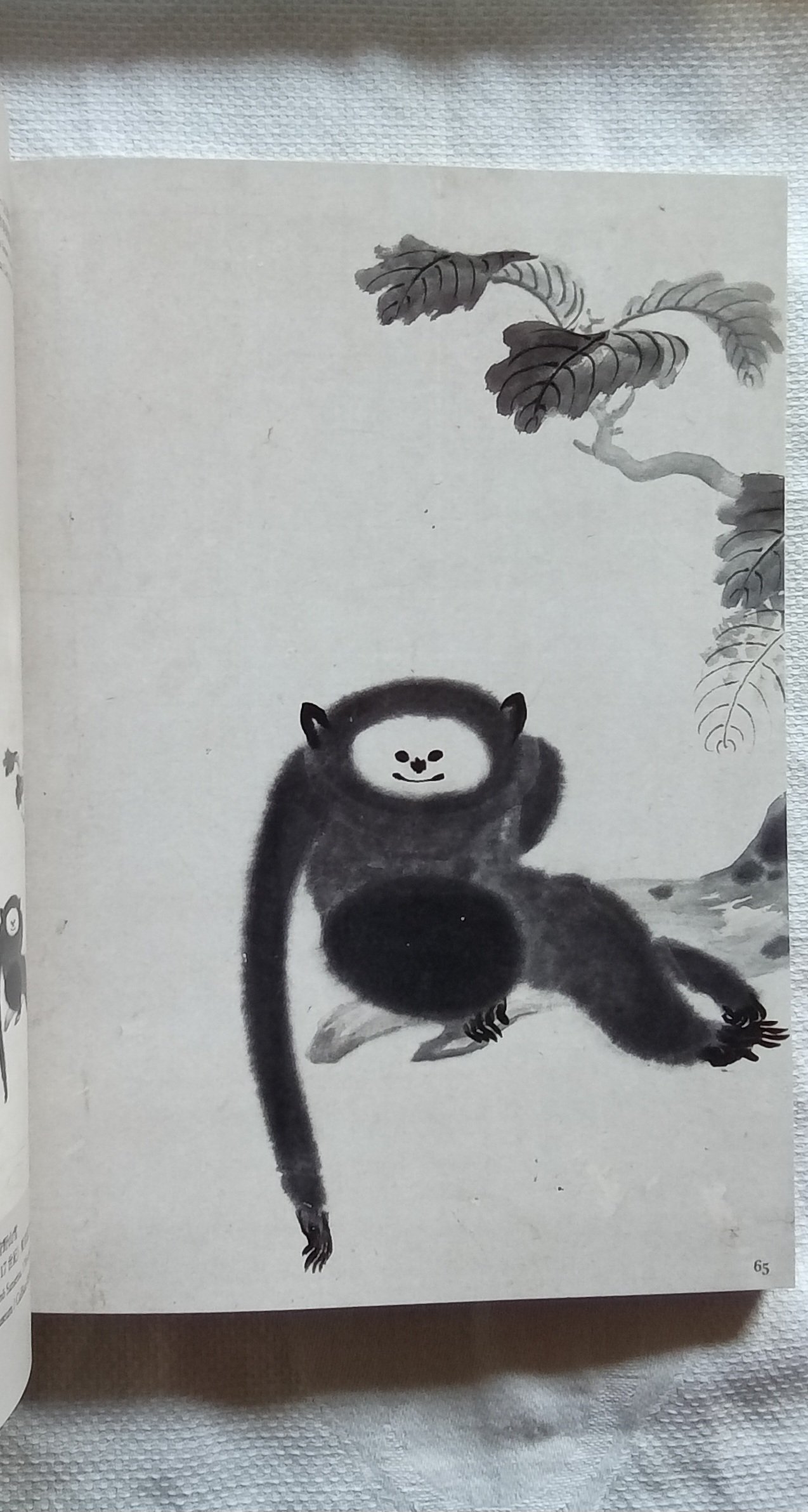 Image 6 of 18
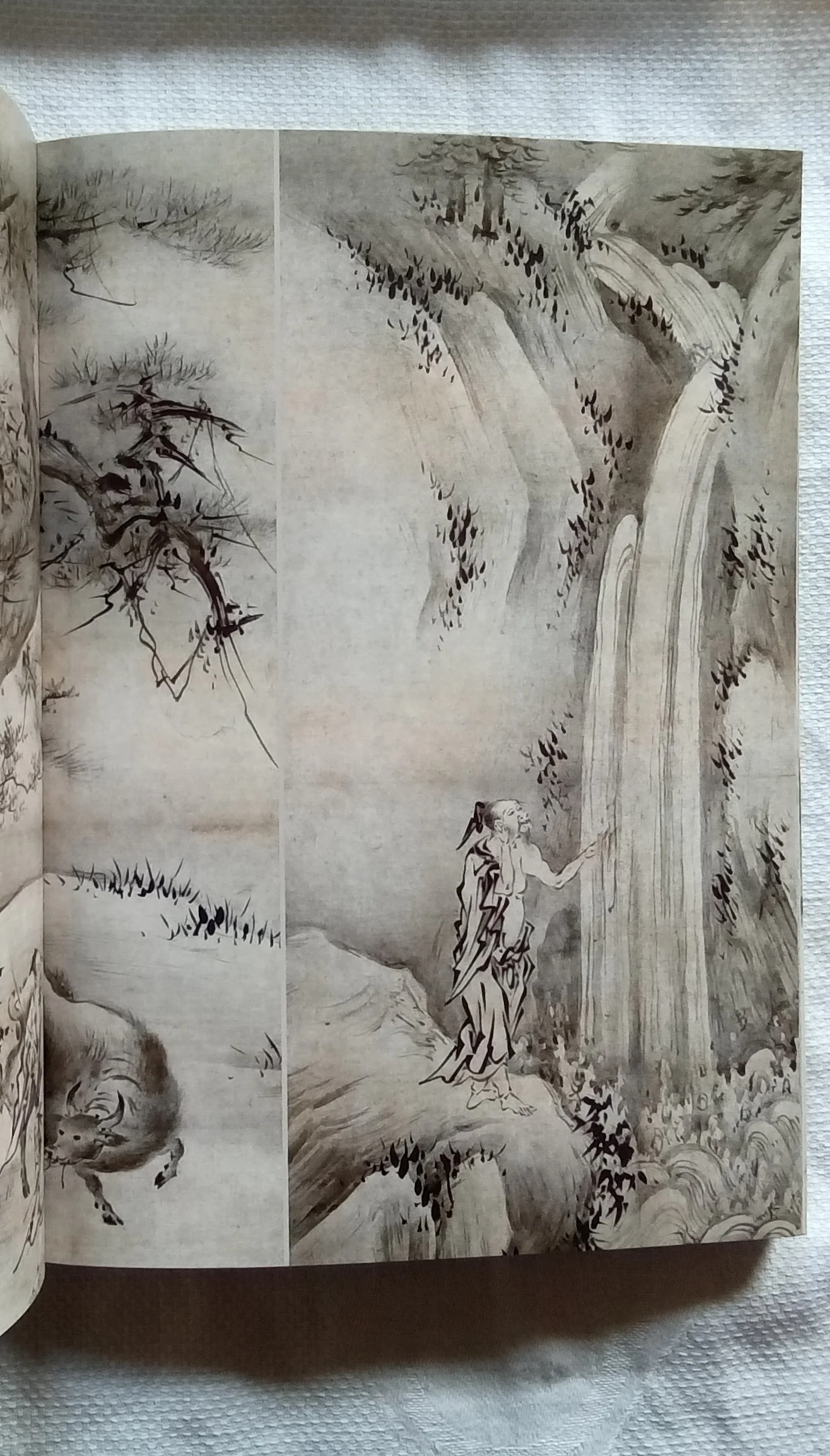 Image 7 of 18
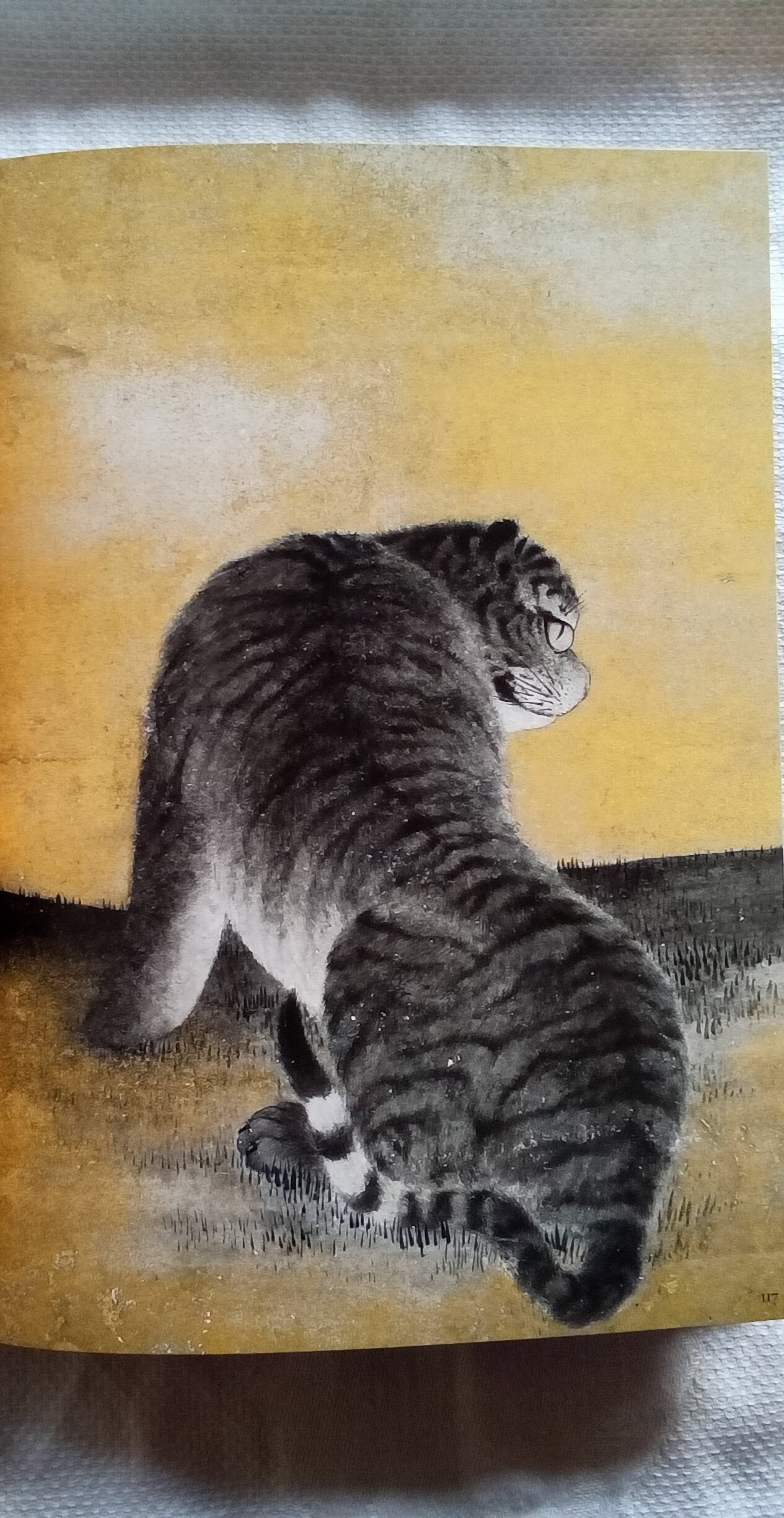 Image 8 of 18
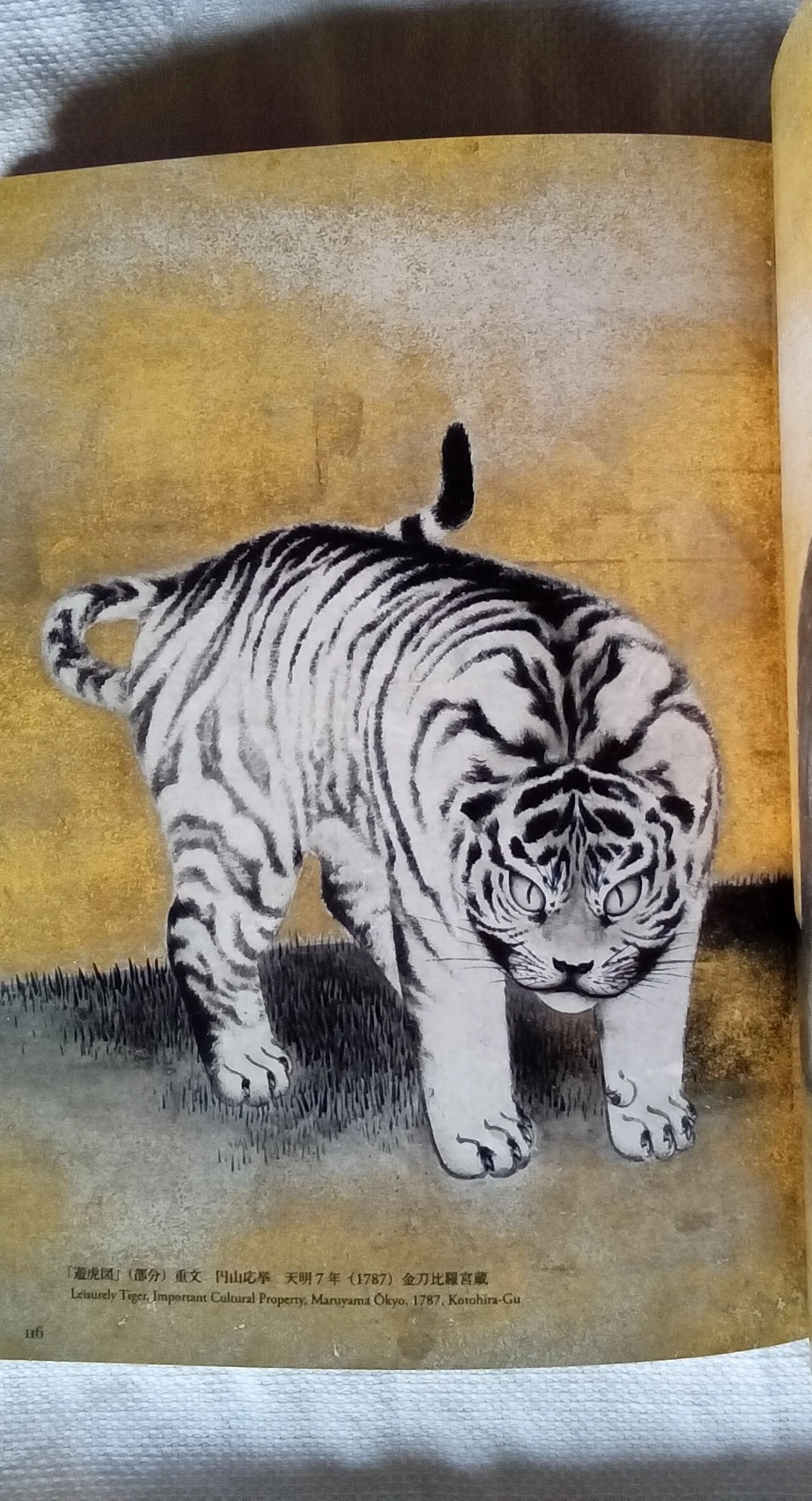 Image 9 of 18
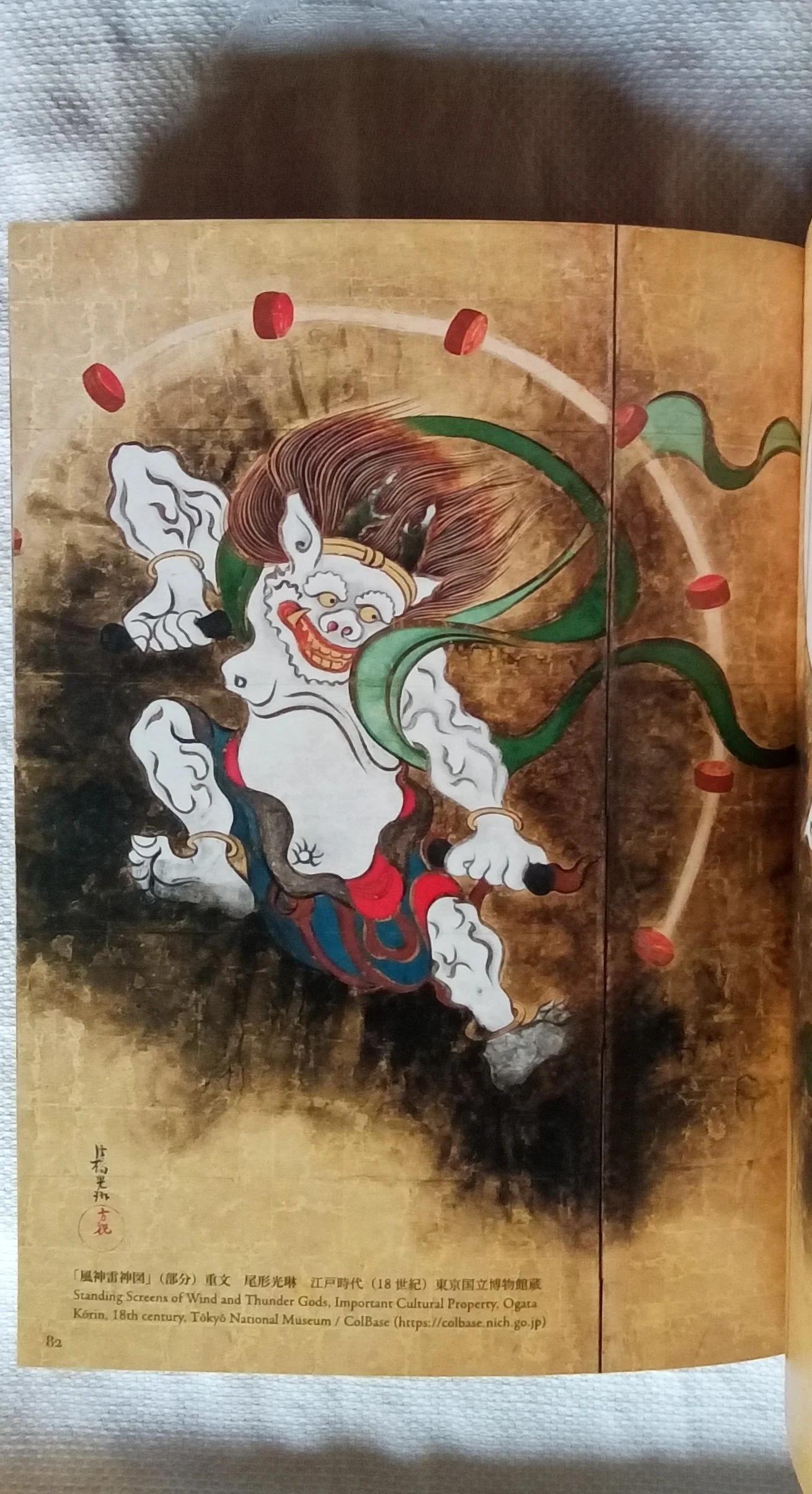 Image 10 of 18
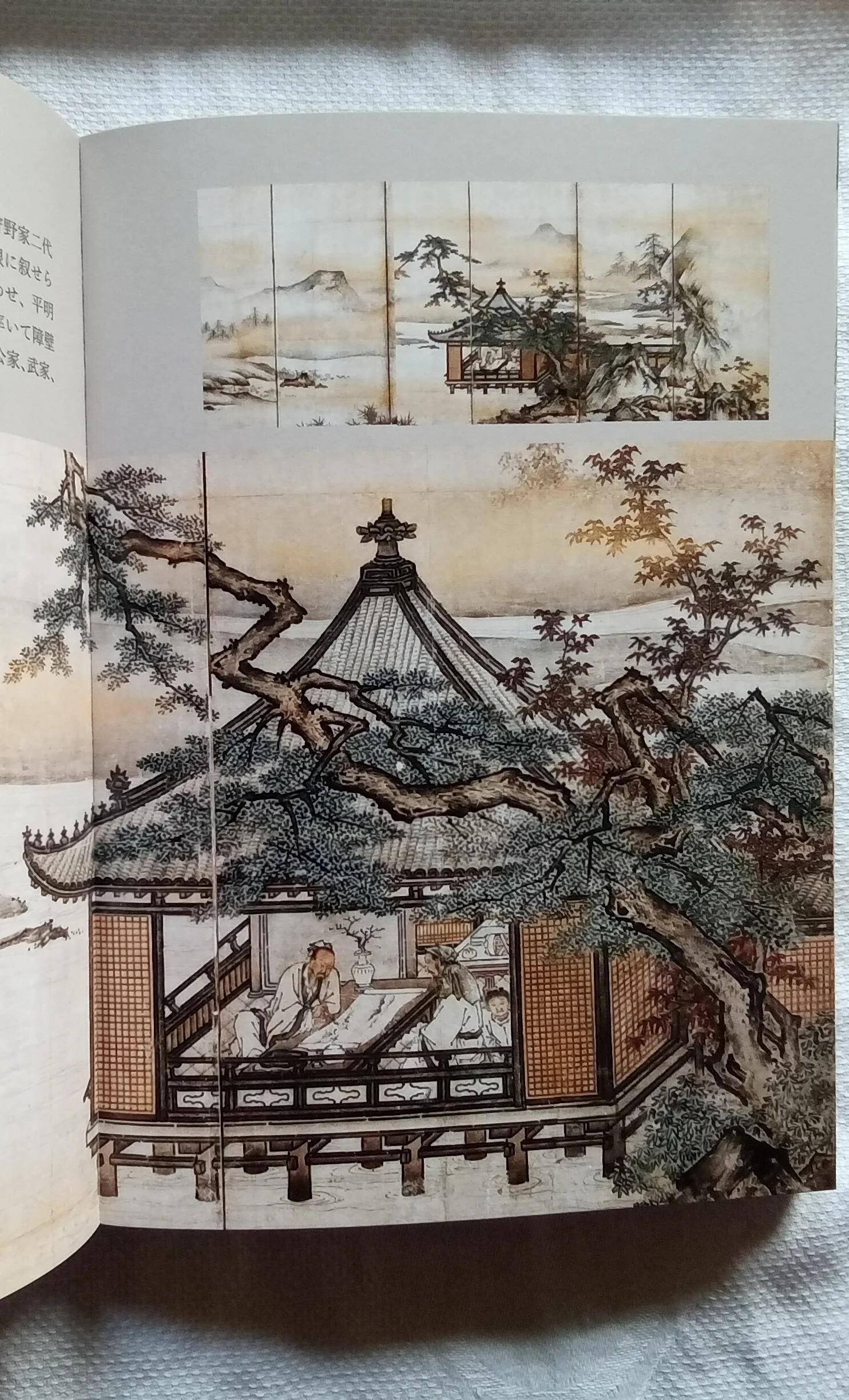 Image 11 of 18
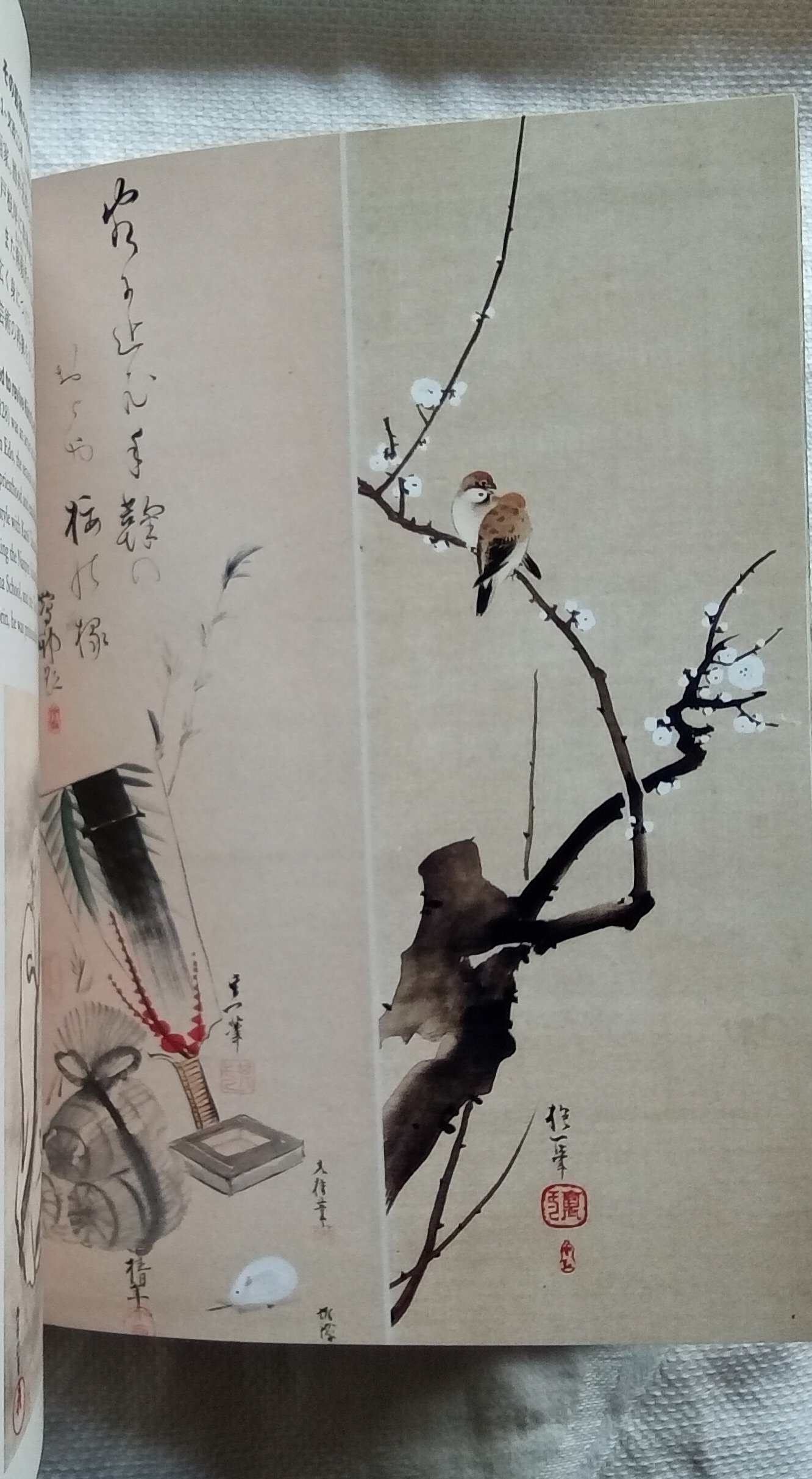 Image 12 of 18
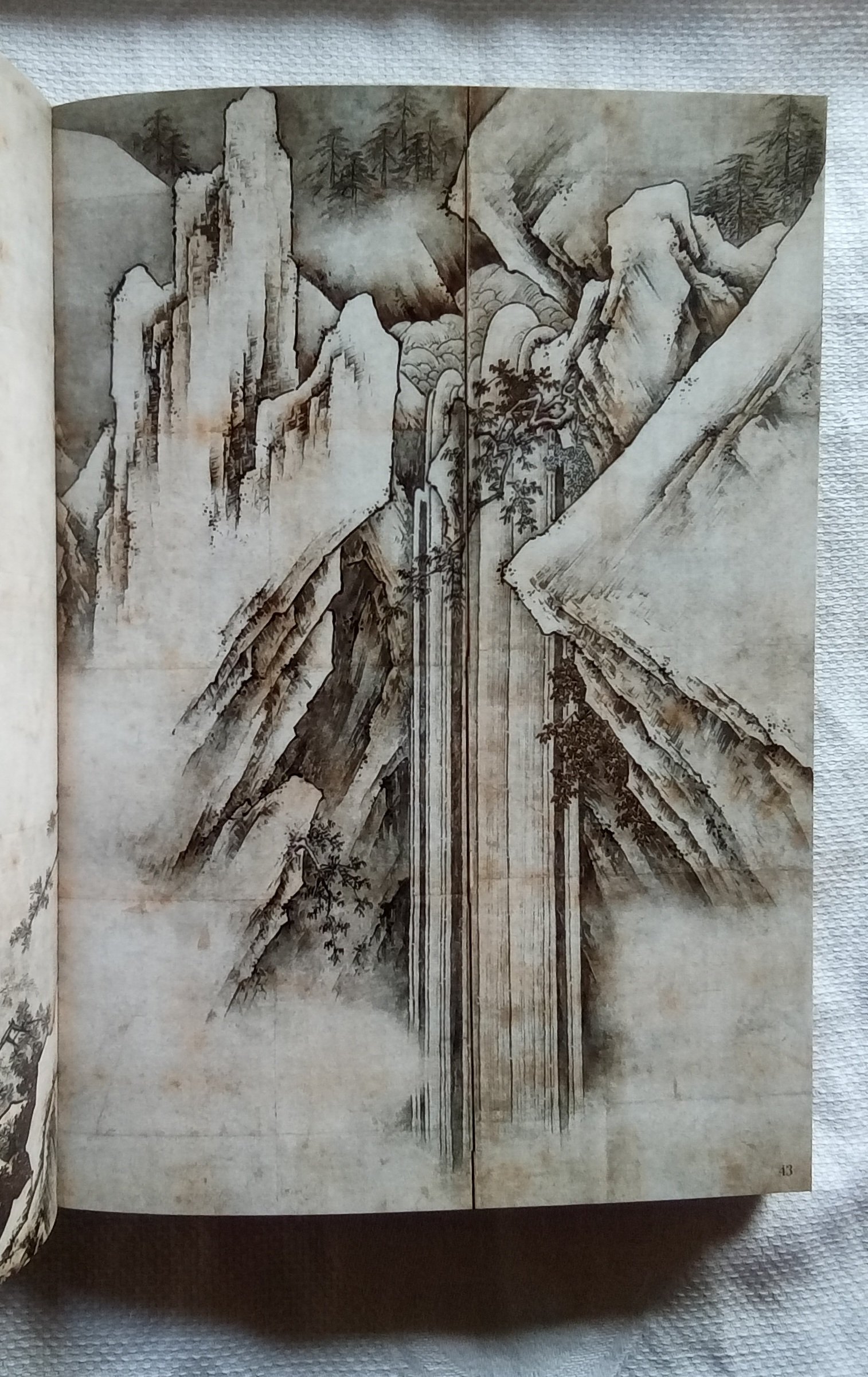 Image 13 of 18
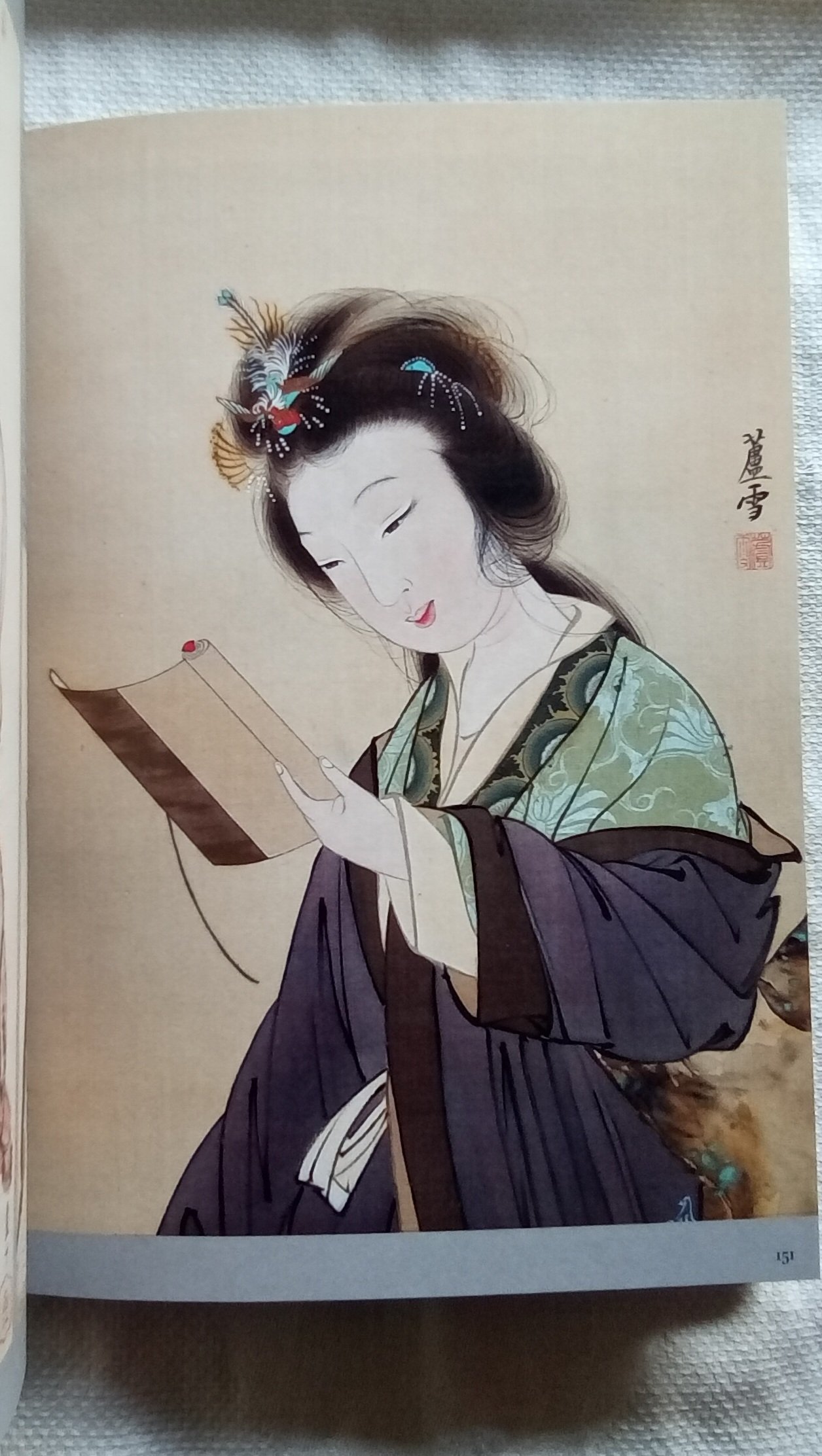 Image 14 of 18
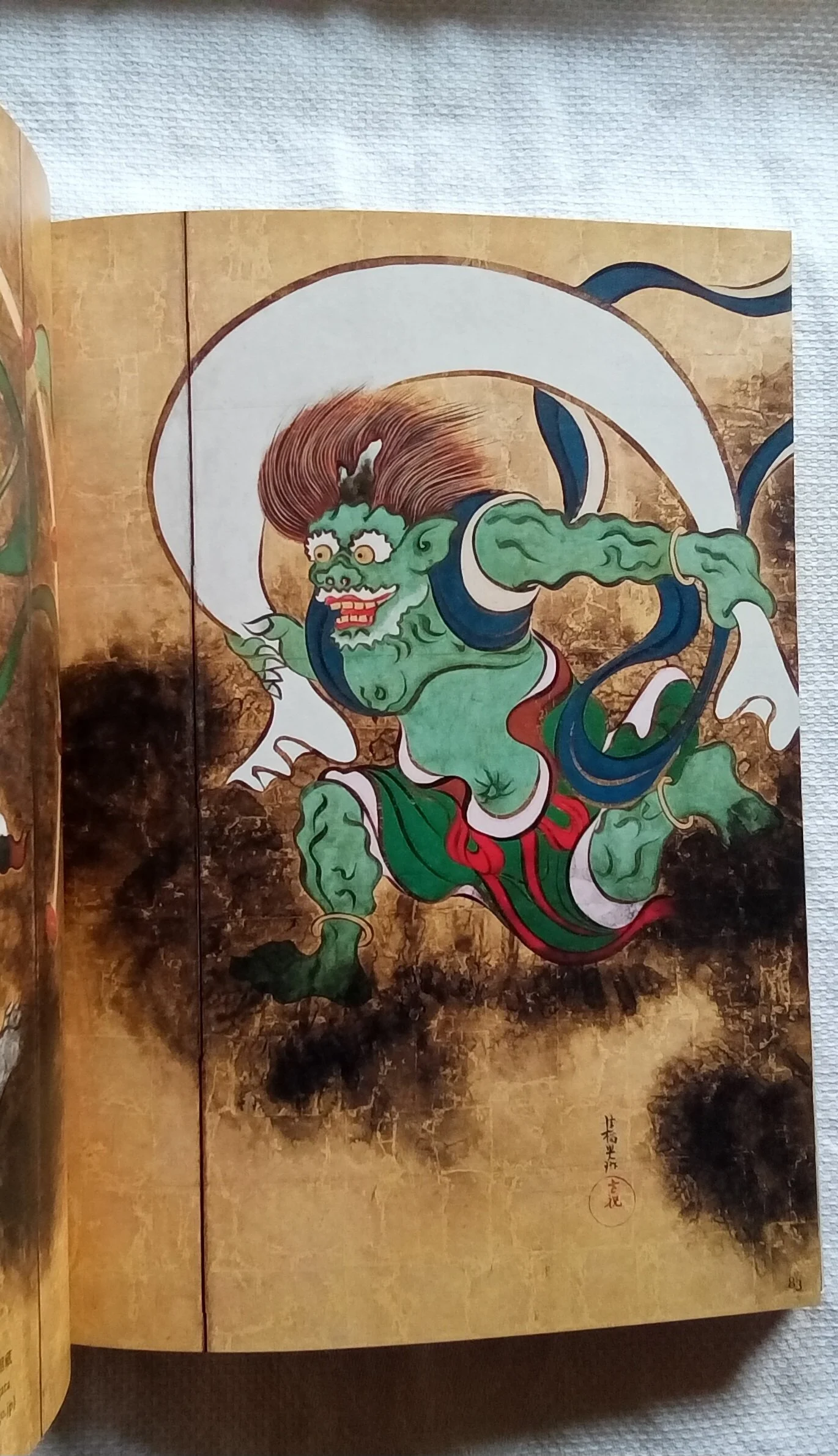 Image 15 of 18
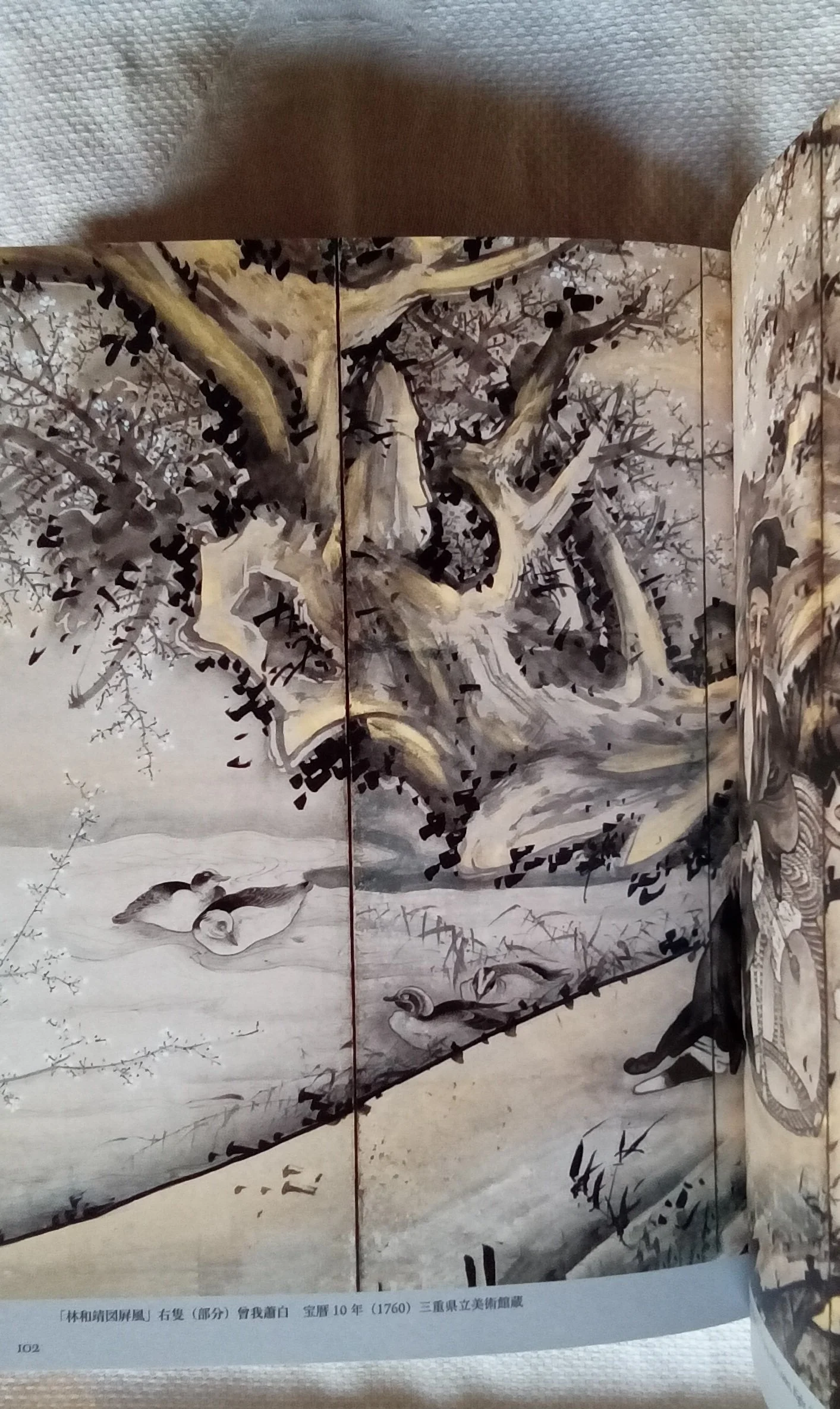 Image 16 of 18
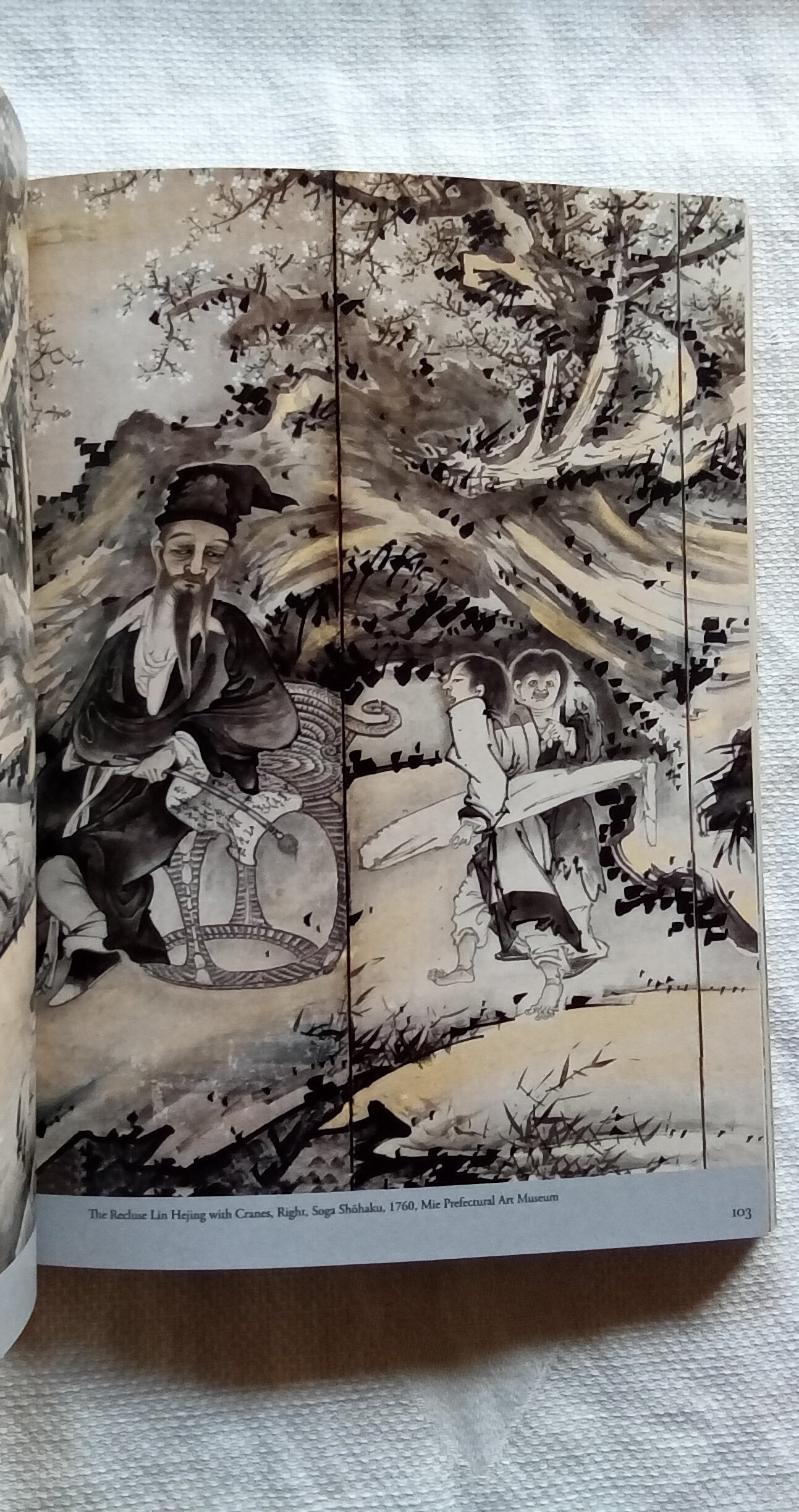 Image 17 of 18
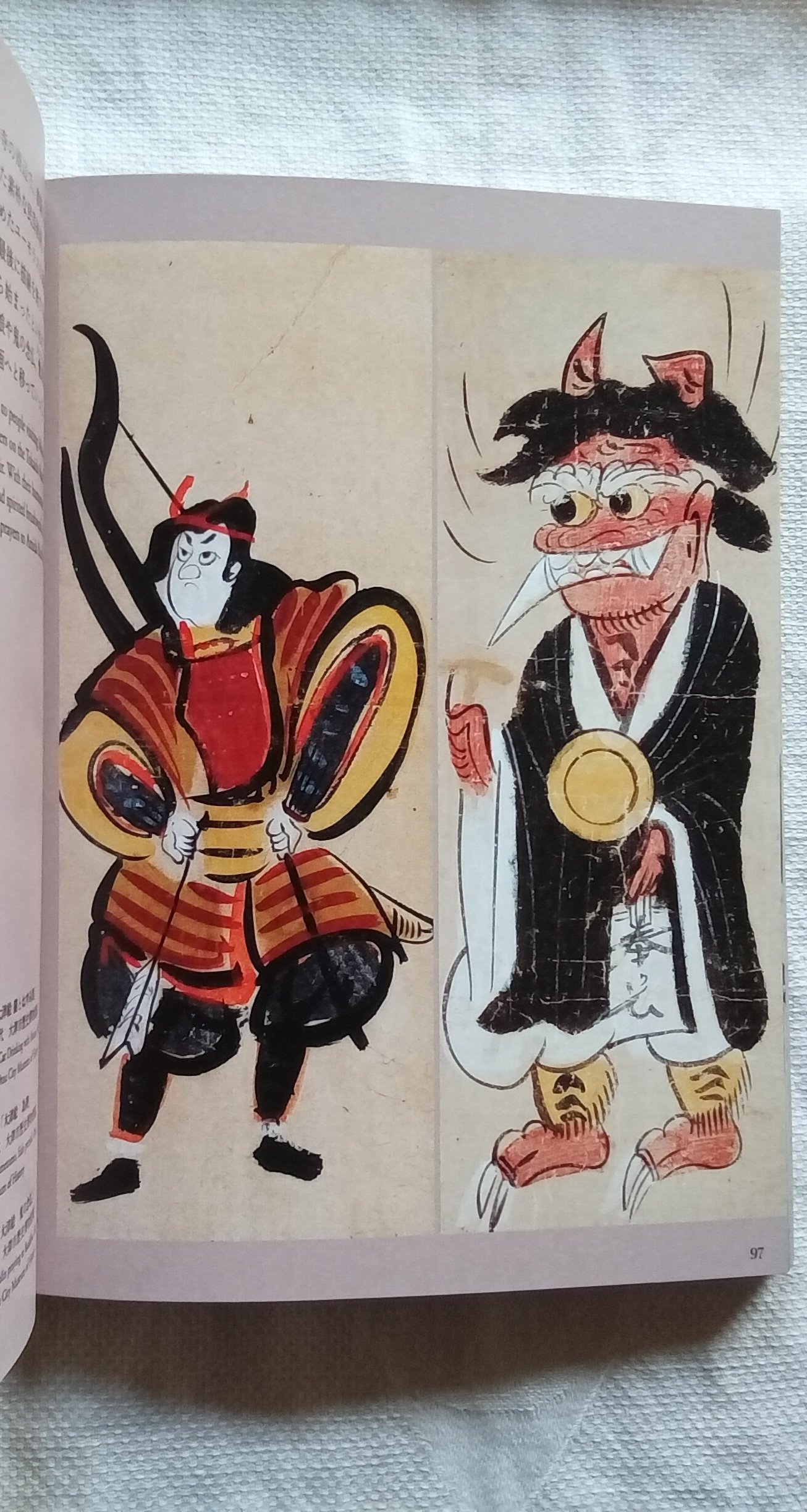 Image 18 of 18